Newspoll Exposes Coalition Turmoil After Reunion Deal
In a political landscape still reeling from recent divisions, the latest Newspoll has delivered a stark reality check to Australia's Coalition parties. Conducted amid the fragile reunion of the Liberals and Nationals, the survey reveals plummeting support for Opposition Leader Sussan Ley, intensifying whispers of an imminent leadership challenge from shadow treasury spokesman Angus Taylor. As the February 8, 2026, poll hits headlines, it underscores the high stakes of the Coalition's 17-day split and the tentative alliance forged over the weekend.
Background: From Split to Shaky Reunion
The Coalition's internal strife erupted in January when Nationals Leader David Littleproud defied Liberal positions on hate crimes legislation, triggered by the Bondi terror attack. This bold move led to a dramatic breakup, with Littleproud declaring his MPs could not serve in a shadow ministry under Ley. The 17-day schism exposed deep-seated tensions, including policy clashes and personal animosities, dominating Australian media and eroding public confidence.
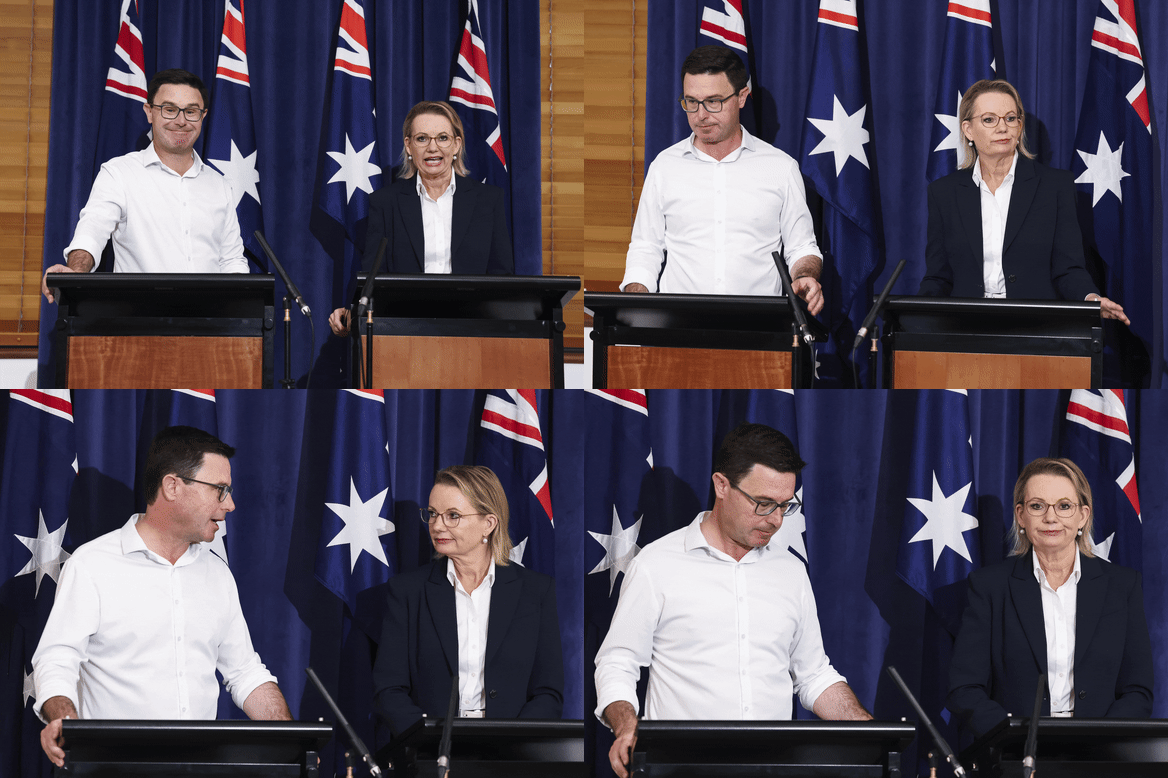
Sunday marked a turning point. Ley and Littleproud announced the revival of their alliance, with concessions on both sides. Littleproud agreed to a six-week suspension for Nationals MPs who crossed the floor, down from Ley's initial six-month proposal. In return, Ley signaled a pivot toward center-right consolidation, pledging to cut migration levels to counter the rising influence of Pauline Hanson's One Nation. "The level of maturity we've shown is crucial for future-proofing the Coalition," Littleproud stated, though he sidestepped questions about a heated January phone call where he allegedly urged Ley to resign.
Yet, the reunion feels more like a truce than a triumph. Liberal MPs frustrated by the Nationals' defiance now view the deal as precarious, especially with dire polling data in hand.
Newspoll Breakdown: Numbers That Sting
The Newspoll, published by The Australian and covering the period post-split, paints a grim picture. The Coalition's primary vote has dipped to 34%, a four-point slide since December, while Labor maintains a steady 38%. Two-party preferred, the gap widens to 54-46 in Labor's favor—unchanged but emblematic of the opposition's stagnation.
Ley’s personal approval rating fares even worse at 32%, down from 38% pre-crisis, with dissatisfaction surging to 52%. Taylor, by contrast, polls at 40% approval among Coalition voters, positioning him as a viable alternative. The survey also highlights voter concerns: 62% prioritize migration reform, aligning with Ley's announced plans but questioning her execution amid the chaos.
These figures aren't isolated. Sequential Newspolls since the split show a consistent erosion, fueled by perceptions of disunity. Analysts note that without the reunion, support could have cratered further, potentially handing Labor a decade-long edge.
Leadership Drama: Taylor's Shadow Looms Large
As the dust settles on the reunion, eyes turn to Angus Taylor. The former energy minister has long been touted as a leadership contender, and his backers are wasting no time. Taylor publicly endorsed the Coalition's recommitment on Sunday, stating, "I'm happy the Coalition is back together," but allies describe the peace as "fragile." Sources close to Taylor indicate a potential spill as early as this week, especially if another poll reinforces the downturn.
Taylor's calculus is delicate. Delaying until March risks perceptions of indecisiveness, while moving now could paint him as opportunistic—toppling Ley mere days after she mended a rift that threatened the Coalition's relevance. His camp claims majority party room support, bolstered by Ley's inability to dangle new frontbench roles in a unified cabinet. A female running mate is reportedly in discussions to broaden appeal.
Ley, for her part, projects defiance. "I am very confident of the overwhelming support of my party room," she asserted, nine months into her tenure. Her allies argue she deserves time to implement reforms, like the migration cuts aimed at reclaiming center-right voters from One Nation. However, private conversations reveal less optimism; some backers prioritize stability over her bold credentials.
The timing plays into Taylor's hands. With senators tied up in estimates committees, a full party meeting is unlikely this week, buying Ley breathing room. Yet, the Newspoll's release could galvanize dissenters, echoing past spills that felled leaders like Malcolm Turnbull.
Influential Voices and Internal Rivalries
External heavyweights are weighing in. Former Prime Minister John Howard, a Liberal icon, has subtly endorsed stability but avoided direct commentary on Ley. Within the Nationals, Littleproud's U-turn was prompted by allies warning of challenges from figures like Senator Matt Canavan, who attempted a spill last May.
Taylor's recent 2GB interview amplified the tension, where he signaled he'd inform Ley of any lost faith—hinting at shadow cabinet resignations. This follows a pattern of public maneuvering, with Taylor's energy and economic bona fides appealing to a party desperate for a poll bounce.
Broader Implications for Australian Politics
The Newspoll's revelations extend beyond leadership jockeying. It spotlights policy fault lines: hate crimes laws, post-Bondi security, and migration as electoral battlegrounds. The Coalition's written agreement on dispute resolution aims to prevent future blowups, but skeptics doubt its efficacy given the leaders' history.
For Labor, under Anthony Albanese, this disarray is a gift. Polls show them consolidating urban and progressive votes, while the Coalition struggles to unify its rural-urban base. One Nation's surge—polling at 8%—threatens to siphon center-right support unless Ley's strategy delivers.
Looking ahead, the federal budget looms with promises of spending cuts, tax reform, and productivity boosts. If Taylor ascends, expect a sharper economic focus; under Ley, social cohesion might take precedence. Either way, the Newspoll serves as a wake-up call: unity without results is futile in Australia's cutthroat political arena.
As speculation swirls, one thing is clear—the Coalition's reunion is a band-aid on deeper wounds. Voters, per the poll, demand more than reconciliation; they crave competence. Will Ley hold on, or will Taylor seize the moment? The coming weeks will tell.