Thai 2026 Election: Bhumjaithai Leads with 198 Seats in Early Counts
In a stunning turn of events, Thailand's 2026 general election has delivered a clear frontrunner as unofficial results pour in. As of 8:58 PM local time on February 8, 2026, the Bhumjaithai Party has surged ahead with an impressive 198 seats, positioning it as the dominant force in the next parliament. This comes just hours after polls closed at 5 PM, with the Election Commission (EC) of Thailand releasing preliminary figures based on 16% of the counted votes.
Overview of the Election Landscape
Thailand's general election, held under the Buddhist Era year 2569, marks a critical juncture in the nation's volatile political history. With 500 seats up for grabs in the House of Representatives—350 from single-member constituencies and 150 from party lists—voters turned out in significant numbers to shape the future government. The EC anticipates covering over 90% of results by 9 PM to 11 PM, providing a near-complete picture before official certification within 60 days.
The vote was conducted amid heightened tensions, including debates over constitutional reforms, economic recovery post-pandemic, and ongoing pro-democracy movements. Key issues like agricultural subsidies, digital economy growth, and anti-corruption measures dominated campaigns, influencing voter preferences across urban Bangkok and rural heartlands.
Methodology and Voter Turnout
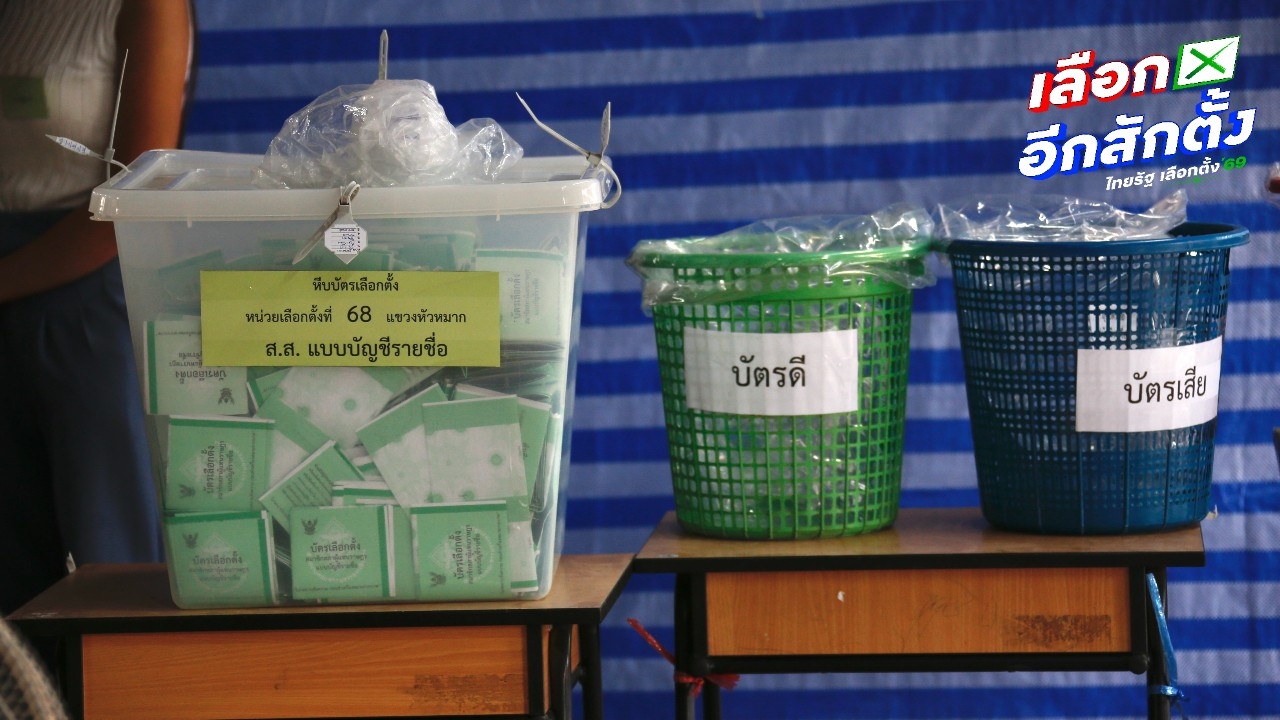
Voters received three ballots: one for constituency MPs, one for party-list MPs, and potentially others for Senate or local roles, though the focus remained on national representation. The EC emphasized transparency, with real-time updates available online. Preliminary turnout estimates hover around 70-75%, a solid figure reflecting public engagement despite past controversies like the 2023 election disputes.
Unofficial Seat Breakdown by Party
With only 16% of votes tallied, these figures are subject to change, but early trends indicate a fragmented yet decisive outcome. Here's the latest snapshot:
- Bhumjaithai Party: 198 seats (178 constituency, 20 party-list). The party's strong rural base and pragmatic policies on healthcare and infrastructure propelled its lead, outpacing rivals by over 100 seats.
- People's Party: 97 seats (70 constituency, 27 party-list). As a progressive force succeeding earlier movements like Move Forward, it performed well in urban areas, advocating for youth-driven reforms and anti-establishment sentiments.
- Pheu Thai Party: 86 seats (67 constituency, 19 party-list). Once a powerhouse linked to former PM Thaksin Shinawatra, it slipped to third, possibly due to voter fatigue and competition from newer parties.
- Dharma Glan Party: 61 seats (59 constituency, 2 party-list). This emerging player focused on ethical governance and gained traction in southern provinces.
- Democrat Party: 11 seats (all constituency, 10 party-list pending full count). The historic party struggled, reflecting its declining influence in a multipolar landscape.
Smaller parties like Thai Sang Thai (6 seats), Prachachat (5), and Palang Pracharat (5) secured modest gains, while others such as Ruam Thai Create Nation and Thai Vision New await further counts. Parties like Thai Pakdee and Seri Ruam Thai remain in limbo as rural precincts report late.
Regional Insights: Urban vs. Rural Divide
Early data reveals stark regional variations. Bhumjaithai dominated in the Northeast and Central regions, leveraging its network of local influencers and promises of economic stability. In contrast, the People's Party swept Bangkok and Northern urban centers, where younger voters prioritized digital rights and environmental policies. Pheu Thai held ground in its traditional Isan stronghold but lost margins to Bhumjaithai's aggressive campaigning.
Southern provinces saw Dharma Glan and smaller Islamic-leaning parties like Prachachat pick up seats, highlighting ethnic and religious dynamics. This geographic split underscores Thailand's polarized electorate, where rural conservatism clashes with urban progressivism.
Analysis: What Do These Results Mean?
Bhumjaithai's commanding lead suggests a potential shift toward coalition politics favoring moderate, development-focused governance. Led by Anutin Charnvirakul, the party has distanced itself from military ties, appealing to a broad spectrum disillusioned with extremes. However, with no single party likely reaching the 251-seat majority threshold alone, horse-trading for alliances will be intense.
The People's Party's strong showing—doubling some projections—signals enduring demand for democratic reforms, potentially pressuring the next government on issues like lèse-majesté laws and monarchy oversight. Pheu Thai's third-place finish raises questions about its relevance; internal rifts and failure to adapt to social media-driven campaigns may have cost it dearly.
Economically, a Bhumjaithai-led coalition could prioritize tourism revival and EV manufacturing, aligning with Thailand's ASEAN ambitions. Yet, risks of instability loom if opposition parties unite against perceived establishment favoritism. International observers, including from the EU and US, have noted the election's fairness, but full EC verification will be crucial to quell doubts.
Implications for Thai Democracy
This election comes three years after the 2023 polls, which faced dissolution threats and youth protests. The 2026 vote's structure, blending first-past-the-post and proportional representation, aimed to balance power but amplified smaller parties' roles. If trends hold, Thailand may see a more diverse parliament, fostering debate but complicating legislation.
Challenges ahead include Senate appointments influencing upper house dynamics and potential judicial interventions. For everyday Thais, outcomes could affect subsidies for rice farmers, flood defenses, and youth employment—pressing concerns in a nation recovering from COVID-19 scars.
Next Steps and How to Stay Updated
The EC will continue counting overnight, with official results trickling in by dawn. Full certification is expected within 60 days, paving the way for government formation by mid-2026. Political analysts predict coalition talks could extend into March, especially if Bhumjaithai seeks partners like Pheu Thai for stability.
For Australians following Southeast Asian affairs—given trade ties via AUKUS and regional security—Thailand's stability impacts tourism, exports like beef and wine, and countering Chinese influence. Everythiiing.com will provide live updates, expert commentary, and deeper dives into key constituencies.
Stay tuned as this story evolves. Thailand's political drama is far from over, and these early numbers hint at a transformative era ahead.
Word count: 752