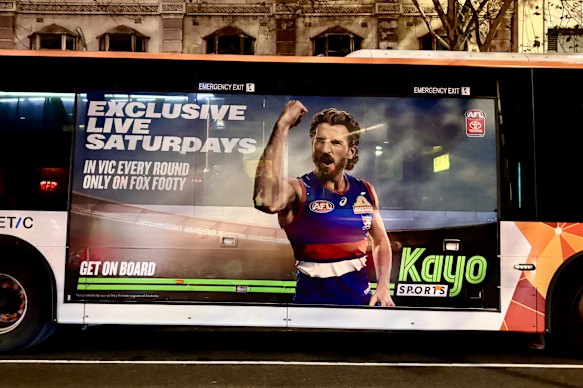
The Australian Football League (AFL) is reigniting one of its most storied traditions with the return of State of Origin in 2026. Absent from the calendar for nearly three decades, this high-stakes representative series is set to captivate fans when Western Australia takes on Victoria at Perth's Optus Stadium in a preseason spectacle. But as the buzz builds, so do the questions: Is this revival a fleeting novelty, or the dawn of a new chapter in interstate footy? In this deep dive, we unpack the key concerns, historical context, and what could define success for AFL Origin's comeback.
The Road Back to State of Origin
State of Origin hasn't graced AFL fields since 1999, when a star-studded lineup including legends like Tony Lockett and Gavin Wanganeen lit up the MCG. Back then, it was a mid-season affair that showcased state pride and raw talent. Fast-forward to 2025, and AFL CEO Andrew Dillon announced the concept's resurrection following widespread consultation with players and clubs. The feedback? Overwhelmingly positive, with many hailing it as a chance to honor footy's roots in a game increasingly dominated by club loyalties.
Yet, timing is everything. Slated as a preseason hit-out, the 2026 edition risks being perceived as a glorified warm-up rather than the intense battle it once was. Players will enter camp with managed minutes to protect their bodies for the grueling home-and-away season ahead. This cautious approach, while necessary, could dilute the ferocity fans crave. ESPN analysts point out that without the mid-season adrenaline, it might struggle to recapture the magic of yesteryear.
Historical Significance and Fan Appetite
Digging into the archives, State of Origin was born from the VFL era's fierce state rivalries, drawing crowds north of 80,000 in the 1980s and '90s. It pitted the best of Victoria against South Australia, Western Australia, and beyond, creating moments etched in folklore—like Dermott Brereton's brutal tackles or Jason Dunstall's sniper-like goals. Today's AFL landscape has evolved, with interstate drafts and national expansion clubs like the Gold Coast Suns and GWS Giants blurring traditional lines. Still, surveys show a hunger for state-based footy, with 70% of fans in a recent AFL poll expressing excitement for its return.
For Western Australia, hosting at Optus Stadium—a venue that hosted record crowds for AFL matches—adds local flavor. The Eagles and Dockers faithful will rally behind a WA side potentially led by stars like Harley Reid and Tim Kelly, while Victoria boasts a deep talent pool from Melbourne's powerhouse clubs.
Three Big Questions Hanging Over AFL Origin
As kickoff approaches, several pivotal queries dominate the conversation. Will players buy in fully, or treat it as secondary to club prep? How do we measure success in a one-off format? And crucially, does this pave the way for annual Origin clashes, perhaps expanding to include other states?
Question 1: Will Players Embrace the Intensity?
Player buy-in is paramount. In an era where load management rules, stars like Patrick Cripps or Adam Treloar might be capped at 60 minutes to avoid injury risks. ESPN's experts highlight that while the concept excites, the preseason slot could lead to a 'cruise control' vibe. Recent AFLW successes with state games suggest women’s footy is leading the charge on representative passion, but the men's game needs to match that fire. Look for early indicators: if training camps buzz with state pride narratives, it bodes well.
Question 2: What Counts as Success?
Defining victory extends beyond the scoreboard. For the AFL, a crowd over 50,000 at Optus Stadium would signal strong interest, especially against preseason norms. Media metrics—viewership on Foxtel and Kayo—will gauge national appeal, while social media engagement could amplify the hype. If it sparks debates on state vs. club allegiances, that's a win for cultural impact. Dillon has emphasized player development as a goal, so emerging talents shining against elites would justify the experiment. Ultimately, success might hinge on whether it feels like 'must-watch' TV, not just a curiosity.
Question 3: One-Off or Ongoing Tradition?
The elephant in the room: Is 2026 a trial balloon or the first of many? The AFL's consultation process revealed club concerns over fixture disruptions, but positive vibes could greenlight expansions—perhaps rotating hosts or including a South Australia-Victoria rematch. With the league eyeing growth in non-traditional markets, Origin could boost visibility in WA and beyond. Pessimists warn of logistical nightmares, like coordinating across states, but optimists see it as a counter to the 'superclub' dominance of teams like Brisbane Lions and Sydney Swans.
Teams, Stars, and What to Watch
ESPN's predicted lineups paint an exciting picture. Victoria could field a midfield engine room with Zach Merrett, Clayton Oliver, and Touk Miller, backed by forwards like Charlie Curnow. Western Australia counters with Elliot Yeo’s grunt work and Jeremy McGovern’s defensive wall. Key matchups—like a battle between WA's speedsters and Vic's contested beasts—promise fireworks.
Beyond the action, watch for injury updates; preseason games have derailed seasons before, as seen with recent ACL tears in training. The AFL's rules tweaks, like the sub rule's evolution, might influence tactics here too.
The Broader Impact on AFL's Future
This Origin revival arrives amid a transformative period for the AFL. With 2025's draft chaos, trade sagas, and rising player salaries, the league craves narratives that unite fans. If successful, it could inspire similar formats in AFLW or even hybrid events. Critics argue it distracts from equality pushes in the fixture, but proponents see it as a tradition worth preserving in a modern wrapper.
As 2026 unfolds, State of Origin isn't just a game—it's a litmus test for footy's soul. Whether it reignites interstate passion or fades into preseason obscurity, one thing's clear: Australian rules is evolving, and this clash is at its heart.
Word count: 782