Geoff Henke: The Unsung Hero Behind Australia's Winter Olympics Triumph
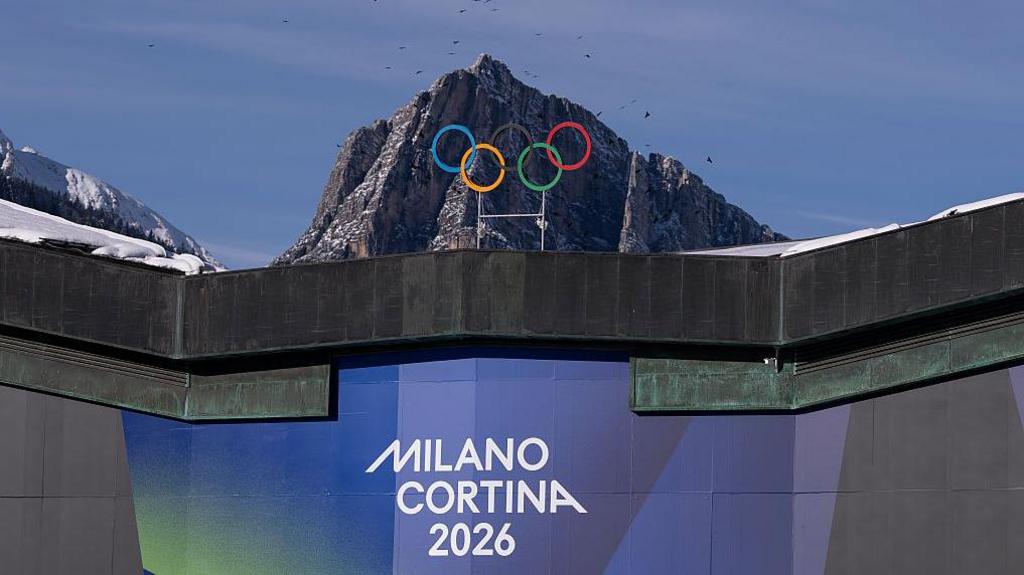
Australia's winter sports scene has come a long way from its humble beginnings. Once dismissed as a summer-dominated nation, Australia now enters the Milano Cortina 2026 Winter Olympic Games with sky-high expectations. Since clinching its first Winter Olympics medal—a bronze in Lillehammer 1994—the country has medaled at every Games, culminating in a record four medals at Beijing 2022. This remarkable ascent owes much to one man's unyielding determination: Geoff Henke.
The Spark of Advocacy: A Snub in 1956
Geoff Henke's journey into winter sports advocacy began not on the podium, but in the shadows of exclusion. In the 1950s, Henke was a promising ice hockey player in Melbourne, surrounded by a growing community of migrants from hockey powerhouses like Canada and Czechoslovakia. These newcomers elevated Australia's game, making a competitive team for the 1956 Winter Olympics in Cortina d'Ampezzo a real possibility.
But the dream shattered. The Australian Olympic Committee (AOC), fixated on summer sports like swimming, track and field, and boxing, refused funding. "The then-secretary-general, Sir Edgar Tanner, was very much involved with boxing," Henke recalled in a recent ABC Sport interview. "He believed the Olympics should only boost three sports for Australia." Ice hockey, and winter sports in general, were sidelined.
This rejection ignited a fire in the young Henke. At 98, he still chuckles about his 'aggressive' nature—forged on the ice and channeled into advocacy. "Ice hockey is an aggressive sport," he said from his Melbourne home. "It seems to have bred a lot of aggressive people. And I was one of them."
From Player to Pioneer
Though he never competed at the Olympics, Henke's passion didn't wane. He became a lifelong supporter of ice hockey and winter disciplines. By the 1970s, his influence grew. Serving as chef de mission for Australia's Winter Olympic teams from 1976 to 1994, Henke was the on-site leader, guiding athletes through the challenges of competing in a climate-challenged nation.
His efforts extended beyond the Games. In 1994, the year Australia won its first winter medal (short-track speed skater Steven Bradbury's bronze relay), Henke spearheaded the creation of the Olympic Winter Institute of Australia (OWIA). This institute provided crucial high-performance training, funding, and resources—transforming sporadic participation into a structured program.
Building a Medal Machine: Key Milestones
Henke's strident advocacy wasn't just talk; it was strategic battles in boardrooms worldwide. He lobbied for increased AOC funding, international partnerships, and domestic infrastructure. Two training centers in Australia now bear his name: the Geoff Henke Centre in Perisher and another in Thredbo—testaments to his legacy.
The results speak volumes. Post-1994, Australia's winter haul grew steadily:
- Nagano 1998: One silver (freestyle skiing).
- Salt Lake City 2002: Two golds, one bronze (including Bradbury's dramatic 1,000m short-track gold).
- Vancouver 2010: Three medals, with Torah Bright's snowboard gold.
- Beijing 2022: Record four medals, including golds in freestyle skiing and aerials.
These achievements punch above Australia's weight, given its lack of natural snowfields. Henke's work ensured athletes like Bright, Lydia Lassila, and Scotty James had the support to excel on the global stage.
Challenges and Triumphs
Henke faced skepticism. Winter sports required investment in a country where snow is seasonal and distant. Yet, his persistence paid off. The OWIA, under his foundational influence, now trains over 100 athletes across 10 disciplines, from alpine skiing to skeleton.
Looking to Milano Cortina 2026—the site of that 1956 snub—expectations soar. Australia eyes its best-ever performance, potentially topping Beijing's tally. Henke's 'controlled aggression' has shifted perceptions, proving winter sports viable Down Under.
Legacy Beyond the Ice
Today, Geoff Henke's name is etched in Australian sports lore. Through Ice Legends Australia, he preserves hockey's history, mentoring the next generation. His story is one of resilience: from a denied Olympian to the architect of a medal-winning dynasty.
As Australia prepares for 2026, Henke's mischievous chuckle reminds us—aggression, when directed right, can melt barriers. His advocacy didn't just build success; it inspired a nation to embrace the cold.
This article draws on insights from ABC News and historical records, highlighting Henke's pivotal role in Australia's winter sports evolution.
.webp)