Cold Weather Health Alert Issued for Northern England as Snow Approaches
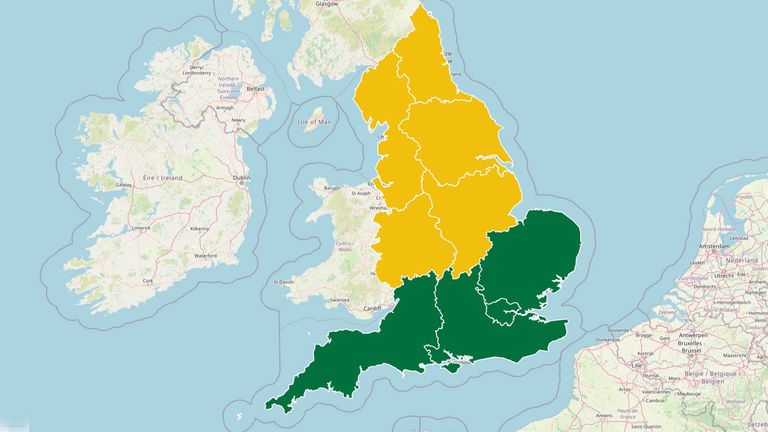
In a stark reminder of winter's bite, the UK Health Security Agency (UKHSA) has issued a four-day cold weather health alert for central and northern England. Effective from Friday morning through to Monday morning (13-16 February 2026), this warning highlights increased risks to vulnerable populations and potential strains on health services. As the nation transitions from a prolonged mild and soggy spell, the Met Office is forecasting snow and ice, adding to the urgency of staying prepared.
The Alert: What It Means for Public Health
The UKHSA's alert targets areas where temperatures are expected to plummet, posing 'minor impacts' on healthcare demands. Vulnerable groups, including the elderly, young children, and those with pre-existing conditions, face heightened dangers from hypothermia, respiratory issues, and cardiovascular strain. "Cold weather can exacerbate underlying health problems, leading to more GP visits and hospital admissions," explains a UKHSA spokesperson. Notably, the South of England remains outside this warning, but northern regions should brace for the chill.
This isn't just about discomfort; cold snaps have historically spiked winter deaths in the UK. Public Health England data from previous years shows that for every degree below average, mortality rates can rise by up to 8.9% among over-65s. With the alert in place, local authorities are urged to check on isolated residents, while the NHS prepares for a potential uptick in cold-related illnesses.
Who Is Most at Risk?
At the forefront are older adults living alone, people with chronic illnesses like asthma or heart disease, and outdoor workers. The alert emphasizes simple preventive measures: layering clothing, ensuring homes are heated to at least 18°C (64°F), and avoiding slips on icy paths. For those in rural northern areas, where snow accumulation could disrupt services, stocking up on essentials is advised.
Met Office Forecast: Snow and Freezing Conditions on the Horizon
The meteorological backdrop is a sharp pivot from the drenched start to 2026. Sky News weather producer Chris England notes that the dip in temperatures will "come as something of a shock after the long mild, wet spell." The jet stream's southward shift is ushering in a northerly airflow, delivering wintry showers to northern England and much of Scotland.
Yellow warnings for snow and ice are active Thursday and Friday, with 1-2 cm of snow widely expected. Higher elevations above 300m could see up to 10 cm, potentially causing travel disruptions. Friday promises to be the coldest, with Manchester commuters facing around 2°C (35°F) in the morning and Glasgow dipping to 0°C (32°F) under clear skies. Meanwhile, Wednesday's heavy rain persists, with yellow warnings until midnight for eastern and western coastal areas, particularly battering Scotland.
Recent Weather Context: From Drenching to Freezing
The UK has been soaked this year, thanks to a persistent 'blocking pattern' that stalls rain over the country. Aberdeen has logged 180% of its typical February rainfall, Kincardineshire 152%, and Angus 130%. January shattered records, with 26 stations hitting new monthly highs and Northern Ireland enduring its wettest month in 149 years. This deluge has led to dozens of flood warnings, underscoring the volatility of British weather.
However, relief – or rather, a frosty change – is en route. England adds that milder conditions may creep in from the south over the weekend, potentially easing the cold's grip by Monday. Still, the abrupt shift demands vigilance; what starts as a refreshing chill could quickly turn hazardous without preparation.
Practical Advice: Navigating the Cold Snap Safely
To mitigate risks, experts recommend several steps. First, monitor the Met Office app for real-time updates and check local forecasts via everythiiing.com's weather section. For health, the NHS advises eating hot meals, drinking warm fluids, and avoiding alcohol, which can impair body temperature regulation. If outdoors, wear waterproof boots and use grit on paths to prevent falls – a common injury in icy weather.
Communities are rallying too. In Manchester and Glasgow, warming centers are on standby, and charities like Age UK are distributing hot packs and advice. For drivers, the RAC warns of black ice on untreated roads, advising slower speeds and emergency kits including blankets and de-icers.
Longer-Term Weather Outlook
Looking beyond the alert, the Met Office hints at a return to more settled patterns by mid-February. Yet, with climate change amplifying extremes – from floods to freezes – this event highlights the need for resilient infrastructure and public awareness. As England puts it, the northerly flow is temporary, but its impacts could linger in strained health resources and disrupted routines.
Stay Informed and Protected
This cold weather health alert serves as a timely nudge to prioritize well-being amid the UK's unpredictable climate. Whether you're in the snow-dusted hills of Scotland or the frosty streets of northern England, preparation is key. Follow updates from the UKHSA and Met Office, and support those around you. Winter may be waning, but its final flourish demands respect. For more on UK weather and health tips, visit Everythiiing.com.
(Word count: 748)