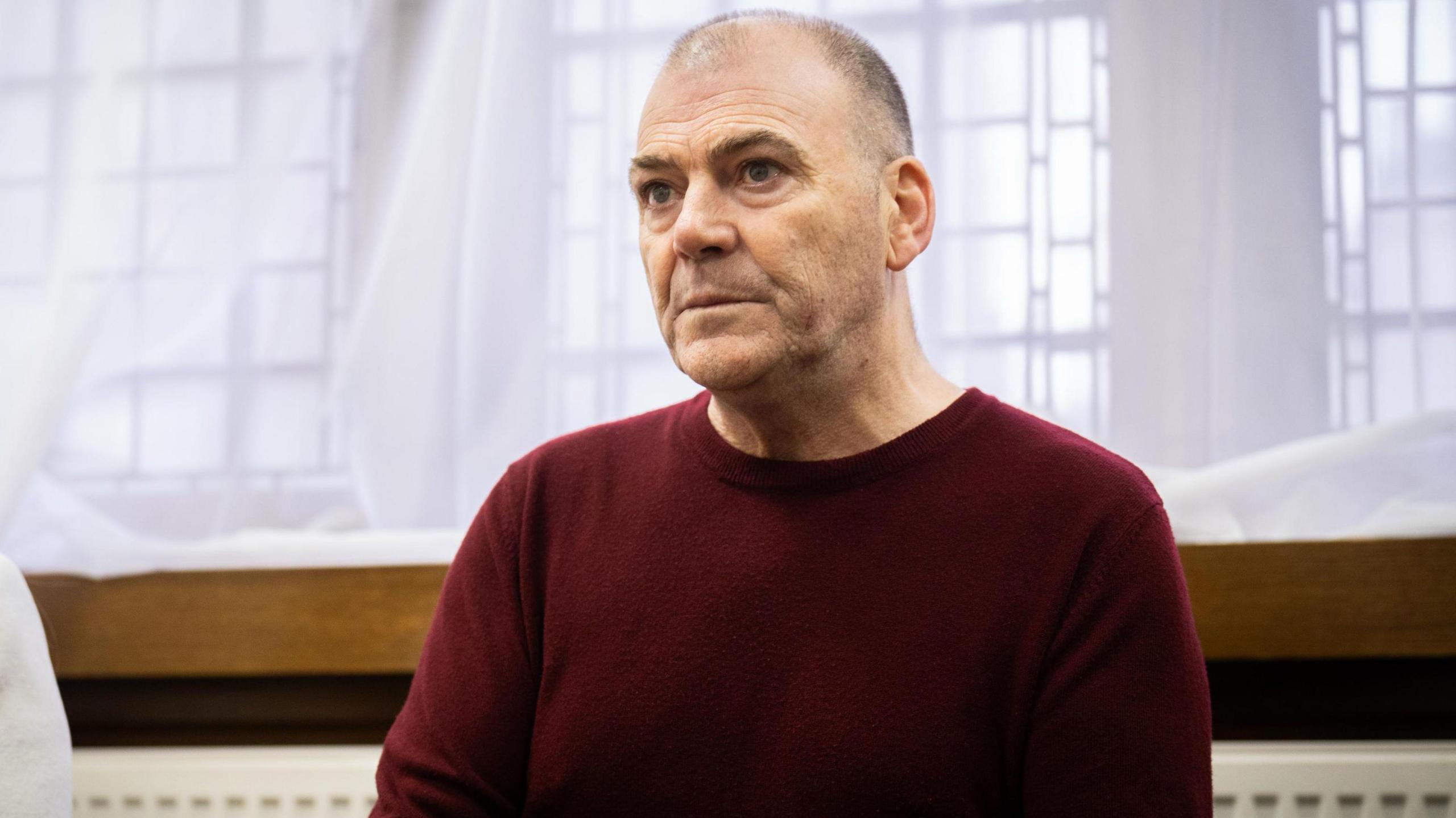
Carlos Hernández de Miguel's Posthumous Farewell Letter Revealed
In a deeply moving testament to a life lived on the front lines and in the pursuit of truth, Spanish journalist and writer Carlos Hernández de Miguel passed away on February 3, 2026, at the age of 56 in Huesca, Spain. Just days shy of his 57th birthday, Hernández de Miguel succumbed after a prolonged battle with an undisclosed illness. What makes his departure all the more poignant is the posthumous letter he left behind, published by elDiario.es—the outlet where he contributed regularly—titled Carta desde el más allá (Letter from the Beyond). This heartfelt piece, penned in anticipation of his death, offers readers an intimate glimpse into the mind of a man who chronicled some of the world's most harrowing conflicts.
A Storied Career in Journalism
Carlos Hernández de Miguel was no stranger to danger and deadline pressures. As a seasoned war correspondent, he embedded himself in pivotal global hotspots, including the Kosovo conflict, the Israeli-Palestinian tensions, the war-torn landscapes of Afghanistan, and the chaos of Iraq. His reporting brought the raw realities of these zones to Spanish audiences, earning him respect as a voice for the voiceless. Beyond the battlefields, Hernández de Miguel was a prolific writer whose work blended sharp analysis with personal insight, often exploring themes of freedom, resilience, and societal progress.
Born in Madrid during the waning years of Francisco Franco's dictatorship, Hernández de Miguel's early life shaped his worldview. Raised in a modest working-class neighborhood, he credited his family—parents and brother—for instilling values of independence and critical thinking. Spain's transition to democracy and economic boom in the post-Franco era provided a backdrop for his optimism, allowing him to thrive in a nation evolving into a modern European powerhouse. His career trajectory reflected this journey: from local beats to international desks, he embodied the grit of journalism at its finest.
From Humble Beginnings to Global Stages
Growing up in a humble family environment taught Hernández de Miguel the importance of empathy and perseverance—qualities that defined his professional ethos. He often spoke of how his upbringing in a barrio obrero (working-class district) grounded him, preventing the cynicism that can plague long-time reporters. This foundation propelled him into roles where he not only reported facts but also humanized the stories behind them. Colleagues remember him as a mentor and friend, always emphasizing that true journalism stems from personal integrity.
The Emotional Weight of 'Carta desde el más allá'
The letter, released on the day of his passing, opens with a stark and disarming admission: "Querido lector, querida lectora. Te confieso que, por primera vez desde que soy periodista, desearía que no estuvieras leyendo mi artículo. Estoy seguro de que entiendes el motivo: si lo estás haciendo es que ya no ando por este mundo… ni por ningún otro. Me he muerto. ¡Joder!, qué fuerte resulta escribir esto, pero es así." Translated, it reads: "Dear reader, I confess that, for the first time since I became a journalist, I wish you weren't reading this article. You understand why: if you are, I'm no longer in this world... or any other. I've died. Damn, it's intense to write this, but it's true."
In the following paragraphs, Hernández de Miguel reflects on his "fortunate" life. He describes being born into a Europe on the cusp of change, escaping the full brunt of Franco's repression as Spain modernized. "He sido una persona muy afortunada," he writes, highlighting how his family's education fostered a free spirit and analytical mind. The letter weaves personal anecdotes with broader observations, touching on the privileges of living in a progressing society and the lessons from his reporting career.
Amid the introspection, Hernández de Miguel doesn't shy away from his illness. He extends profound thanks to Spain's public health system, praising the "exquisite treatment and attention" from medical professionals. "Me concedisteis una prórroga que he aprovechado al máximo," he notes—"You granted me an extension that I've made the most of." This gratitude underscores a recurring theme in his work: appreciation for collective efforts in science and healthcare that extend lives and dignify deaths.
Key Reflections on Life and Legacy
What emerges from the letter is a portrait of quiet triumph. Hernández de Miguel celebrates not just survival in war zones but the everyday fortunes—family bonds, intellectual freedom, and societal support. He ends on a note of farewell, urging readers to cherish their own paths. The piece isn't maudlin; it's candid, laced with the profanity and humor that marked his style, making it all the more relatable.
Tributes from the Journalism Community
Hernández de Miguel's death prompted an outpouring of tributes from peers. David Cantero, a prominent broadcaster at Radio Nacional de España (RNE), shared: "Ayer falleció un gran periodista y escritor, Carlos Hernández de Miguel. Carlos estaba convencido de que para ser buen periodista hay que ser buena persona, yo lo comparto. Él era las dos cosas." (Yesterday, a great journalist and writer, Carlos Hernández de Miguel, passed away. Carlos believed that to be a good journalist, you must be a good person—I agree. He was both.)
Other colleagues echoed this sentiment, recalling his warmth, dedication, and unwavering commitment to ethical reporting. Figures from elDiario.es and beyond highlighted how his dispatches from conflict areas influenced a generation of journalists, blending bravery with humanity. In an era of digital media challenges, Hernández de Miguel's legacy serves as a reminder of journalism's power to connect and console.
Impact on Spanish and International Media
His passing comes at a time when independent journalism faces scrutiny, yet Hernández de Miguel's voice—through this final letter—resonates stronger than ever. For UK readers, his story parallels the resilience of correspondents like those covering Ukraine or the Middle East today, emphasizing universal themes of loss and appreciation. As Spain mourns, the global media community reflects on the personal costs of telling hard truths.
A Lasting Echo
Carlos Hernández de Miguel's Carta desde el más allá isn't just a goodbye; it's a celebration of a life richly lived. From the dust of Iraqi battlefields to the quiet reflection in Huesca, his journey inspires us to value our own fortunes—be they in health, family, or the freedom to question. As we read his words, we're reminded that even in death, a good story endures, challenging us to live critically and gratefully.
(Word count: 752)