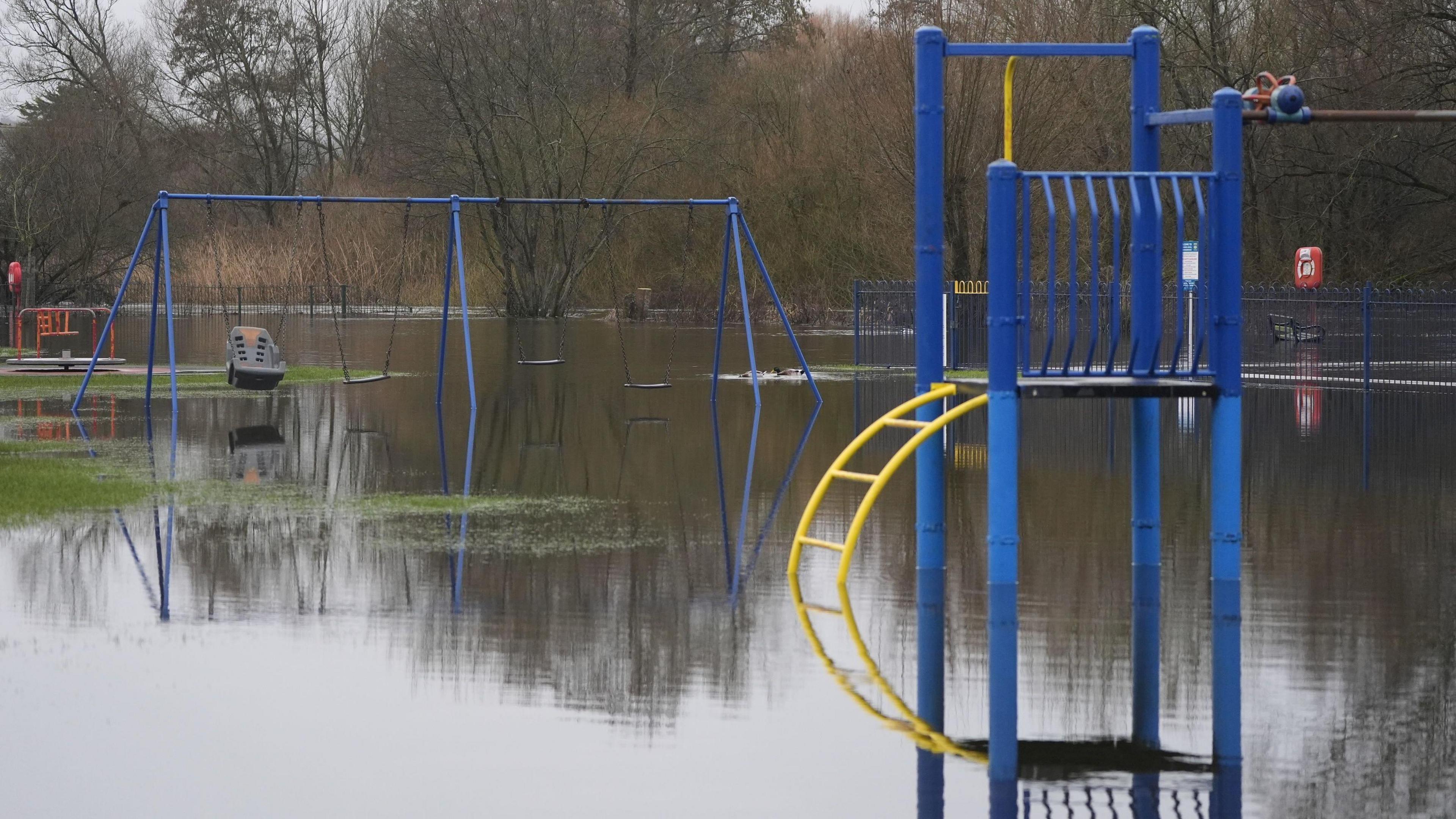
Dozens of Flood Warnings Across England After Relentless Rain
In the wake of days of unrelenting rainfall, England is grappling with a surge in flood risks. As of Sunday morning, authorities have issued 90 flood warnings and 234 alerts across the country, signaling immediate dangers in several regions. This deluge, part of a broader pattern of extreme weather in 2026, has already caused disruptions, from submerged vehicles to rising river levels. With rain set to persist, residents are urged to prepare for potential evacuations and travel chaos.
Current Flood Warnings: Hotspots in the South-West and Midlands
The majority of the flood warnings are concentrated in England's south-west and Midlands, areas battered by persistent downpours. Devon and Hampshire stand out as key hotspots, where rivers are swelling and low-lying areas are at high risk of inundation. Clusters of alerts also span between Gloucester and Worcester, where groundwater levels are critically high after weeks of saturation.
Further north, Warwickshire Fire and Rescue Service has issued stark warnings about imminent flooding along the River Dene. "Heavy prolonged rainfall has caused local water levels to rise rapidly," the service stated, advising residents to avoid riverbanks and monitor local updates closely. Over 230 flood alerts are scattered across much of England, excluding the far north and East Anglia, indicating a nationwide concern even if not all areas face immediate threats.
Scotland reports just one active flood warning, while Wales has none at present. However, the interconnected weather patterns suggest these could change as the system moves.
Real-World Impacts: From Submerged Vans to School Closures
The human toll is becoming evident. On Friday, an Asda delivery van was dramatically submerged in floodwaters at Walfords Bridge in Shropshire, though fortunately, no one was trapped inside. Such incidents highlight the dangers posed to motorists and infrastructure alike. Last week, Storm Chandra—the third named storm of the year after Ingrid and Goretti—exacerbated the situation, leading to widespread travel disruptions and the closure of dozens of schools across affected regions.
Businesses and communities are feeling the strain. Farmers in the south-west report saturated fields, delaying planting and threatening livestock. Urban areas face sewer overflows and road closures, turning routine commutes into nightmares. Emergency services are stretched thin, responding to calls about stranded vehicles and property damage.
Weather Patterns: A Record-Breaking Wet Start to 2026
The Met Office attributes this crisis to an unusually wet winter. Rain has fallen every single day of 2026 so far in south-west England and South Wales, with both regions experiencing 50% more rainfall than average. January was a standout: Northern Ireland recorded its wettest month in 149 years, while County Down and Cornwall shattered local records.
February has been no reprieve. Provisional data reveals that some UK spots received more rain in the first five days than they typically see all month. Aberdeenshire, surprisingly, tops the list with Aboyne logging over 130% of its normal February rainfall in that short span. This aligns with a university study noting the longest spell of rainy days since 1908, underscoring a shift in the UK's climate.
Experts link these events to broader climate change trends, where warmer atmospheres hold more moisture, intensifying storms. The succession of named storms in January brought not just rain but gale-force winds, compounding the flooding risks through erosion and debris blockage.
Forecast: More Rain on the Horizon
Relief appears distant. The Met Office predicts continued rain throughout the weekend and into the new week, with heavier bursts possible in the south and west. While a brief respite is forecast mid-week, the overall pattern suggests saturated soils will prolong flood dangers. "Communities should remain vigilant," warns a Met Office spokesperson, emphasizing the need for real-time monitoring via their app and website.
Safety and Preparedness: What Residents Should Do
As flood risks escalate, proactive measures are crucial. Authorities recommend avoiding driving through flooded roads—"Turn around, don't drown," a common refrain from emergency services. Households in warning zones should assemble emergency kits with essentials like torches, batteries, and medications, and identify higher ground evacuation routes.
Local councils are distributing sandbags and setting up rest centers. For those in rural areas, checking on vulnerable neighbors is vital. The Environment Agency's flood line (0345 988 1188) offers 24/7 advice, while apps like Floodline Warnings provide push notifications.
Government response includes bolstering flood defenses, with investments in barriers and drainage systems. However, critics argue that more needs to be done to address climate vulnerabilities, especially as events like these become more frequent.
Long-Term Implications for the UK
This flooding episode is a stark reminder of the UK's evolving weather challenges. Economically, costs from disruptions could run into millions, affecting agriculture, transport, and insurance sectors. Environmentally, polluted runoff from floods threatens waterways and wildlife.
Looking ahead, policymakers must prioritize resilient infrastructure. Public awareness campaigns, like those from the BBC and Met Office, play a key role in building community resilience. As 2026 unfolds, the hope is for drier spells, but preparation remains the best defense against nature's fury.
In summary, England's flood warnings are a call to action. By staying informed and cautious, we can mitigate the worst impacts of this soggy start to the year. For the latest updates, follow trusted sources and heed official guidance.
