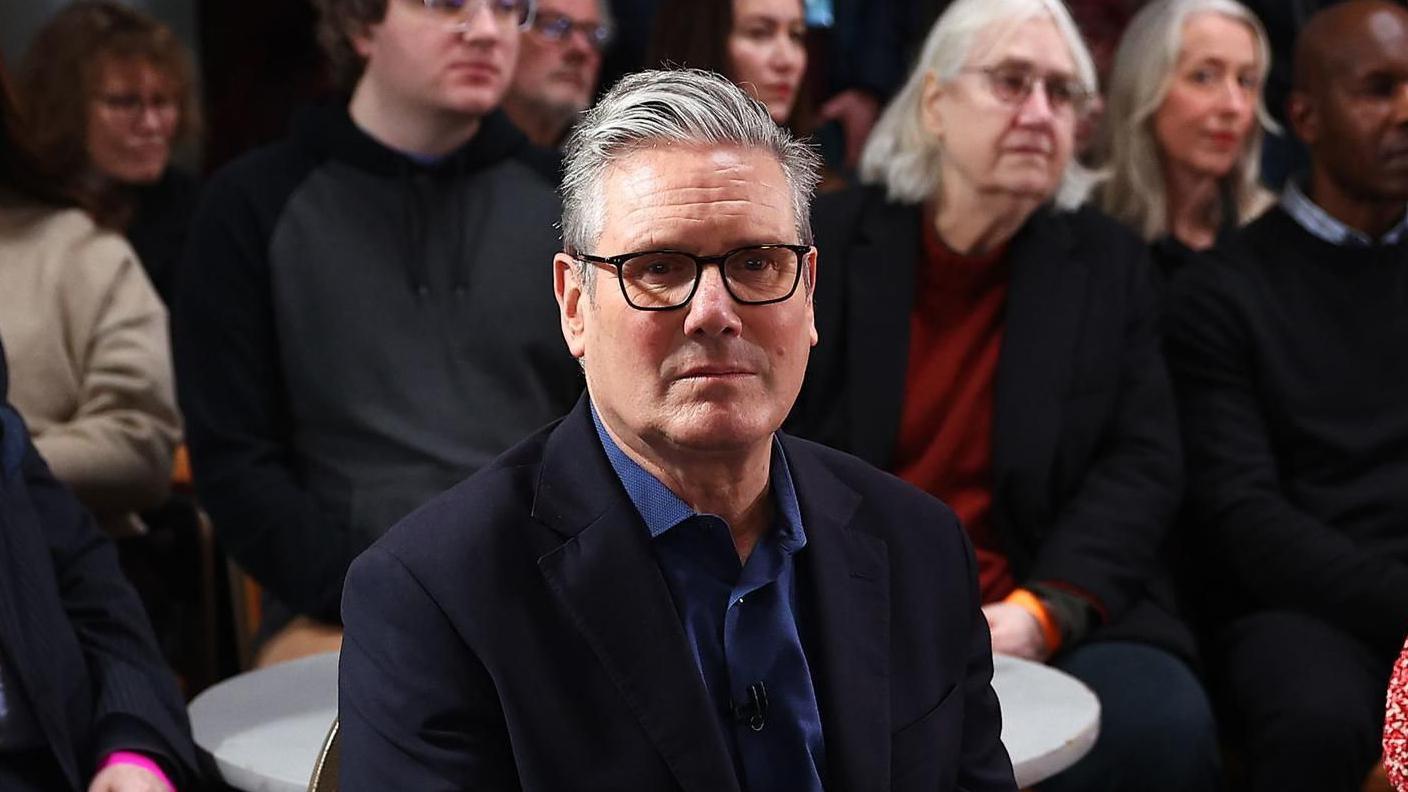
Harriet Harman: Labour's Feminist Trailblazer Faces New Challenges
Harriet Harman, the veteran Labour MP whose name has become synonymous with feminist advocacy in British politics, continues to be a formidable presence in Westminster. With a career spanning over four decades, Harman's journey from a young solicitor to one of the most influential women in UK politics offers a compelling narrative of resilience, reform, and unyielding commitment to social justice. As the Labour Party navigates internal strife and upcoming elections, Harman's legacy is under renewed scrutiny, making her story more relevant than ever.
Early Life and Entry into Politics
Born in 1950 in London to a middle-class family, Harriet Ruth Harman grew up in an era when women's roles were rigidly defined. Educated at St Paul's Girls' School and the University of York, where she studied law, Harman quickly channeled her intellect into activism. Her early career as a legal officer for the National Council for Civil Liberties (now Liberty) exposed her to the gritty realities of inequality, fueling her passion for change.
Harman's political baptism came in 1982 when she was elected as MP for Peckham (now Camberwell and Peckham) in a by-election. At 32, she was one of the youngest female MPs at the time, breaking barriers in a male-dominated House of Commons. Her constituency, a diverse South London area, became the backdrop for her lifelong dedication to issues like poverty, education, and racial equality.
Key Milestones in Her Parliamentary Career
Harman's rise was meteoric. Under Neil Kinnock's leadership in the 1980s, she served as a shadow spokesperson on health and social services. But it was her appointment as shadow chief secretary to the Treasury in 1992 that showcased her economic acumen. Critics often underestimated her, dubbing her 'Hattie' in a patronizing tone, but Harman proved them wrong with sharp debates and policy innovations.
One of her standout achievements came in the 1997 New Labour government led by Tony Blair. As Secretary of State for Social Security, she championed welfare reforms, including the minimum wage and efforts to reduce child poverty. However, her tenure wasn't without controversy. In 1998, she proposed scrapping single parent benefits, a move that alienated many feminists and led to her resignation. Harman later reflected on this as a painful lesson in balancing pragmatism with principles.
Championing Women's Rights and Gender Equality
Harman is perhaps best known for her feminist credentials. In 2007, she became Labour's deputy leader under Gordon Brown, a role she used to push for gender parity in Parliament. Her 'equality agenda' included mandatory gender quotas for public appointments and the introduction of all-women shortlists for candidate selection—a policy that transformed Labour's representation.
From 2010 to 2015, as Shadow Secretary of State for Culture, Media and Sport, and later for Foreign and Commonwealth Affairs, Harman solidified her status as a voice for women. She led the charge on equal pay legislation and domestic violence reforms. In 2014, during the 'women and equalities' brief, she spearheaded the ban on employment tribunal fees, a victory for working women facing discrimination.
Her influence extended beyond policy. Harman's 2017 book, Women vs Feminism: Why We All Need One, argued that feminism must evolve to include men's issues, broadening the movement's appeal. In interviews, she often recounts how her own experiences—as a mother of two balancing career and family—drove her advocacy for affordable childcare and flexible working.
Navigating Controversies and Personal Resilience
No political career is without hurdles, and Harman's has had its share. The 1998 resignation marked a low point, but she bounced back as Solicitor General in 2001, becoming the first female in that role. The 2015 general election loss saw her step down as deputy leader, yet she remained an MP and took on the chairmanship of the Joint Committee on Human Rights.
Personal scandals have also tested her. In 2014, leaked emails revealed family ties to a private school, drawing accusations of hypocrisy from opponents who highlighted her state education advocacy. Harman addressed this head-on, emphasizing her commitment to comprehensive schooling. More recently, in the context of Labour's internal dynamics, she's been vocal on issues like the party's handling of antisemitism and leadership transitions.
Harman's Role in Contemporary Labour Politics
Today, at 73, Harman is Labour's longest-serving female MP. Although she announced in 2023 that she would not stand in the next election, her influence persists. In the wake of Keir Starmer's leadership, Harman has advised on policy, particularly around women's safety and economic equality. Her support for Starmer's centrist shift has been tempered by calls for bolder feminist policies.
As the UK approaches local elections in May 2024 and a general election by 2025, Harman's insights are invaluable. She has critiqued the government's childcare funding shortfalls and urged Labour to prioritize gender-based violence post the Sarah Everard murder. In a recent BBC interview, Harman stated, 'Politics must deliver for women, or it's failing everyone.' Her words resonate amid broader discussions on political integrity, echoing scandals that have rocked Westminster.
Analysts see Harman's potential post-retirement role as a cross-party advocate, perhaps in the House of Lords or through think tanks. Her ability to bridge generational divides—mentoring younger MPs like Angela Rayner—ensures her feminist torch burns bright.
The Future Legacy of a Political Pioneer
Harriet Harman's career is a testament to perseverance in the face of sexism and skepticism. She has increased female MPs from 3% in 1979 to over 30% today, reshaping British democracy. Yet challenges remain: the gender pay gap persists, and political misogyny is rife. As Labour eyes power, Harman's blueprint for equality could guide the next era.
In an age of political volatility, Harman's steady voice reminds us that true change is incremental but profound. Her story isn't just history—it's a roadmap for the future of UK politics.
This article was informed by Harman's public statements, parliamentary records, and recent political analyses. For the latest updates, follow Everythiiing.com's UK politics coverage.