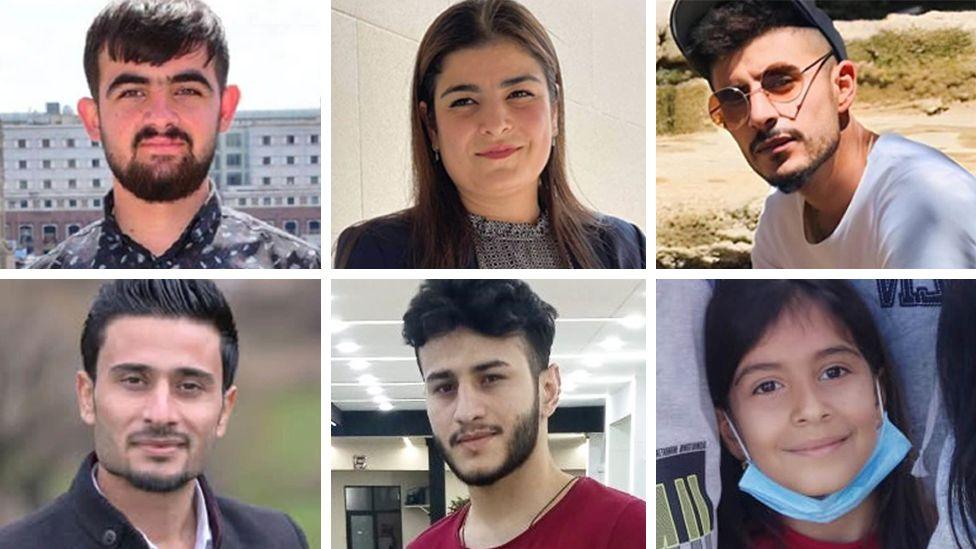
Inquiry: 30 Migrant Deaths in Channel Boat Avoidable
In a damning report that lays bare the human tragedy behind irregular migration, an independent inquiry has concluded that at least 30 deaths during a catastrophic small boat crossing of the English Channel in 2021 were entirely avoidable. The incident, which occurred on November 24, 2021, remains the deadliest of its kind, highlighting deep-seated flaws in rescue operations, border policies, and international coordination. As small boat arrivals continue to surge, this revelation underscores the urgent need for systemic reform to prevent further loss of life.
The Tragic Incident Unfolded
The overcrowded dinghy, carrying over 30 people from countries including Iraq, Somalia, Ethiopia, Egypt, and Afghanistan, departed from a beach near Dunkirk, France, in the dead of night. What should have been a desperate bid for safety turned into horror when the vessel swamped and capsized amid rough waters. Only two survivors were rescued nearly 12 hours after their initial distress call, with 27 bodies recovered and four more confirmed missing.
Among the victims was seven-year-old Hasti Rizghar Hussein, a poignant symbol of the innocence caught in this perilous journey. The inquiry, chaired by former High Court judge Sir Ross Cranston, meticulously documented the lives lost in its 454-page report, naming 27 individuals—16 from Iraq alone—as a stark reminder of the 'human cost behind the statistics.'
Survivors' Heart-Wrenching Accounts
Issa Mohamad Omar, one of the two survivors, shared his harrowing experience during the inquiry hearings that began in March 2024 after a two-year delay. Clinging to the remnants of the boat for hours in freezing waters, Omar recounted the chaos: 'If emergency services had responded more quickly, I believe half of those people would be alive today.' He described feeling 'treated like animals' due to their refugee status, a sentiment echoed by families who waited years for answers.
Another chilling detail emerged from a 16-year-old Iraqi Kurdish boy's call to HM Coastguard at around 1:30 a.m., pleading that everyone was in the water. The operator assured help was en route but instructed him to stop calling. By 7:00 a.m., the incident was prematurely marked as resolved, sealing the fate of those still struggling in the sea.
Systemic Failures Exposed
Sir Ross Cranston's report pulls no punches, attributing the deaths to a 'significant, systemic failure on the part of government.' Key lapses included chronic staff shortages at HM Coastguard in Dover, which left the team in an 'intolerable position' with limited capacity for rescues. A critical surveillance aircraft, essential for monitoring crossings, failed to launch due to poor weather—yet no contingency plan existed.
Communication breakdowns compounded the disaster: Distress calls and messages from the vessel were missed or inadequately followed up. Search teams were not briefed on the sinking dinghy or the possibility of people in the water. Moreover, a pervasive skepticism within the Coastguard—that migrants often exaggerated distress—led to underestimation of the crisis's severity.
The inquiry pinpointed three fatal errors: ruthless people smugglers overloading unseaworthy boats, a sluggish response from the French naval vessel Flamant, and operational flaws in the UK's search and rescue efforts. Experts noted that many victims survived for hours in the water; extending operations into the morning could have saved more lives.
Broader Context of Channel Crossings
Small boat crossings have become the dominant route for irregular migration to the UK, driven by conflict, persecution, and economic despair in origin countries. In early 2026, between January 1 and February 2, 989 people made the perilous journey from France—a stark increase from previous years. These voyages traverse one of the world's busiest shipping lanes in flimsy, overcrowded vessels, making them inherently deadly.
The report emphasizes that such practices must end, not just for humanitarian reasons but to dismantle the lucrative people-smuggling networks profiting from desperation. Sir Ross warned: 'Travelling on board a small, unseaworthy, and overcrowded boat... is an inherently dangerous activity.'
Calls for Reform and International Action
The inquiry's findings have ignited fresh debates on UK migration policy. Advocacy groups like Refugee Action have demanded immediate investments in Coastguard resources, better Franco-British cooperation, and safe legal pathways for asylum seekers to reduce reliance on smugglers. 'This isn't just about one boat—it's a pattern of neglect,' said a spokesperson for the organization.
Government officials have acknowledged the report's gravity, pledging reviews of protocols, but critics argue for bolder steps, including dismantling the barriers to asylum claims that push people toward these routes. The human toll extends beyond the immediate: Survivors like Omar grapple with lasting physical and mental trauma, while families mourn in limbo.
As winter crossings persist despite harsh conditions, the 2021 tragedy serves as a grim cautionary tale. With projections estimating thousands more attempts in 2026, the onus is on policymakers to act decisively. Ending small boat deaths requires not rhetoric, but real change—honoring the 30 lives lost by ensuring no more follow.
In the words of the report, these stories humanize the statistics, compelling society to confront the migrant crisis with empathy and efficacy. The Channel's waters may be unforgiving, but with coordinated effort, they need not claim more innocent lives.

