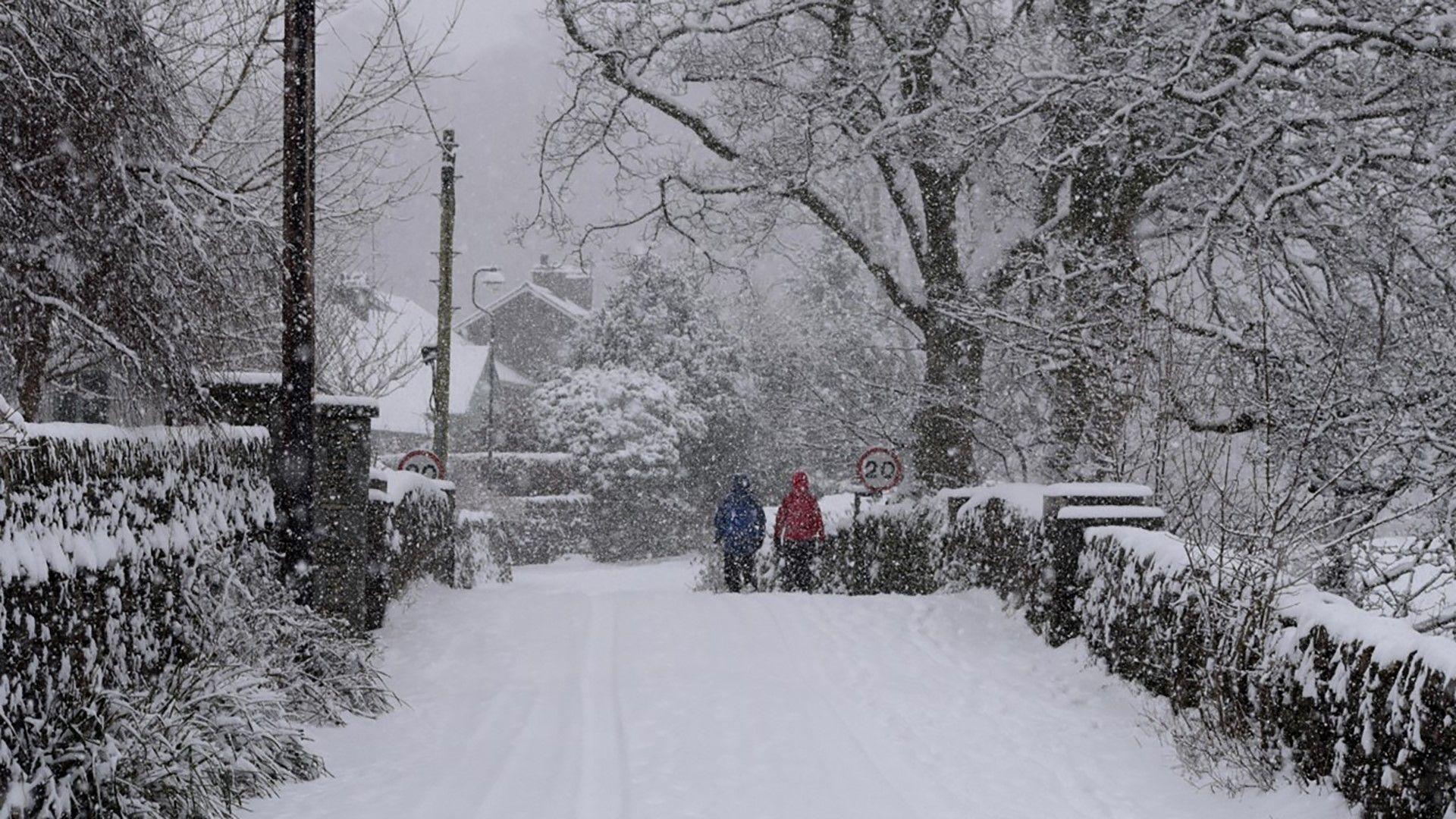
UK Weather Forecast: Snowfall Possible in January as Cold Weather Looms
The UK is on the brink of another potential weather shift, with forecasts suggesting that snowfall could return in January as colder conditions make their way back. After a brief respite of milder weather, meteorologists are now tracking a battleground of air masses that could bring wintry conditions to parts of Great Britain.
A Battle of Air Masses
At the start of January, the UK experienced a spell of notably harsh winter weather, with Arctic winds bringing heavy snow, widespread ice, and biting temperatures. However, a recent shift in the jet stream ushered in milder Atlantic air, lifting temperatures to around the seasonal average. This change introduced new hazards, including frequent rainfall, strong winds, and localized flooding due to the rapid thaw of lying snow.
Now, the UK is entering a new phase with two competing weather influences. On one hand, an Atlantic low-pressure system will repeatedly attempt to move in from the west, bringing mild, moist air and unsettled conditions. On the other, areas of higher pressure over eastern Europe and Scandinavia may push westwards, encouraging colder air to edge into eastern parts of the UK.
What to Expect in the Coming Days
For the next few days, the Atlantic influence is likely to dominate, leading to largely cloudy skies and changeable weather, with frequent showers or longer spells of rain at times. Temperatures during this phase are expected to remain close to the seasonal average, reflecting the balance between mild Atlantic air and occasional cooler interludes. However, where skies clear overnight, especially in more sheltered or rural locations, there will be a continued risk of night frosts.
Potential for Colder Conditions Next Week
As we head through next week, forecast confidence decreases, but there is an increasing indication that colder conditions could begin to take hold. This would occur if high pressure to the east becomes more influential, allowing colder air to spread westwards across the UK. Should this transition develop, temperatures are likely to fall below average, and the risk of wintry weather would increase. Any precipitation could potentially turn to snow, particularly over higher ground but possibly at lower levels too in some areas.
Could January End Up Being Colder Than Average?
With the prospect of temperatures falling below average towards the end of the month, alongside an increasing likelihood of further snowfall, there is growing potential for a renewed cold spell. When this is considered together with the notable cold snap experienced at the start of the month, it raises the possibility that January as a whole could end up being colder than the long-term average.
Such an outcome would be relatively unusual in the context of recent years. As the climate continues to warm, months that finish below average have become less frequent, particularly during winter, when milder Atlantic influences increasingly dominate. However, this highlights how short-lived but significant cold spells can still occur and have a meaningful impact on monthly averages, even in a changing climate.
Preparing for Potential Snowfall
As the UK braces for potential colder conditions, residents are advised to stay updated with the latest weather forecasts. Snowfall can bring significant challenges, including travel disruptions, energy demands, and risks to vulnerable populations. Preparing for such conditions is essential, especially in areas prone to heavy snowfall or ice.
Meteorologists will continue to monitor the situation closely, with the exact timing and extent of any colder spell remaining uncertain at this stage. However, the increasing likelihood of snow and ice means that the UK could once again find itself in a winter wonderland before the month is over.
Conclusion
The UK weather forecast for January points to a potential return of snowfall as colder conditions loom. The battle between Atlantic and eastern European air masses will determine whether the country experiences more wind and rain or more snow and ice. As we approach the latter half of January, staying informed and prepared is key to navigating whatever winter weather may come.