Kian Moulton Named as Killer of 12-Year-Old Leo Ross in Birmingham
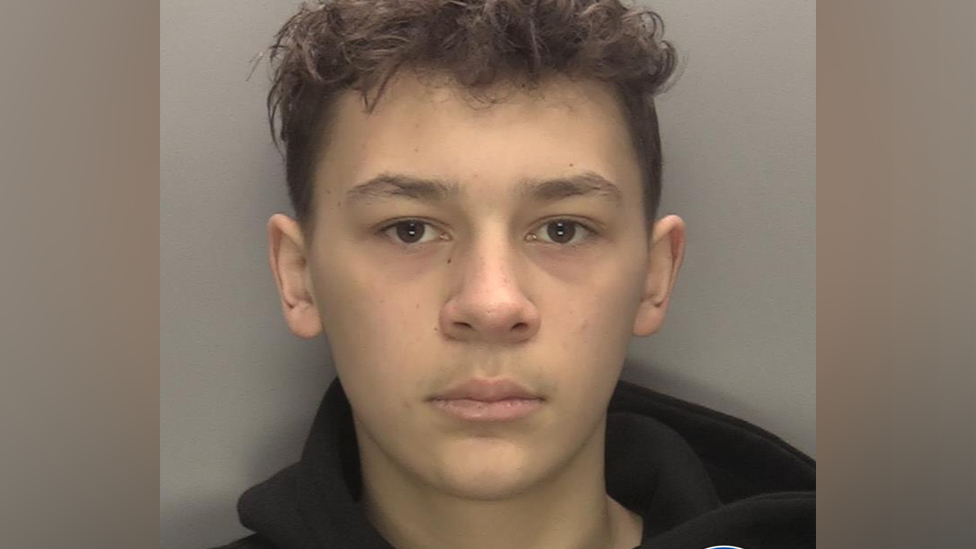
In a chilling case that has gripped the West Midlands, 15-year-old Kian Moulton has been publicly named as the killer of 12-year-old schoolboy Leo Ross. The anonymity order protecting Moulton was lifted during his sentencing at Birmingham Crown Court, highlighting growing concerns over youth violence and knife crime in the UK. This decision underscores the public's right to know amid escalating patterns of offending by young perpetrators.
The Fatal Attack on Leo Ross
Leo Ross, a bright-eyed 12-year-old walking home from school in January 2025, became the tragic victim of a random act of brutality. Moulton, then 14, targeted the smaller boy near Trittiford Mill Park in Birmingham, stabbing him in the stomach with a knife. The attack was swift and merciless, leaving Leo with fatal injuries that claimed his young life shortly after.
According to court proceedings, Moulton did not flee the scene immediately. Instead, he cycled around the park, casually informing passersby that a boy had been stabbed. Disturbingly, he returned to observe the aftermath, even engaging with responding police officers—footage from their body cameras captured his presence. Prosecutor details revealed that Moulton attempted to discard the weapon into a nearby river but missed, landing it on the bank where it was later recovered with DNA from both boys.
Pattern of Violence Preceding the Murder
Moulton's crime spree did not begin with Leo. In the days leading up to the stabbing, the teenager admitted to attacking three elderly women in separate incidents near his home, less than half a mile from the park. He pleaded guilty to two counts of causing grievous bodily harm with intent and one count of assault occasioning actual bodily harm. Two of the victims suffered severe injuries, underscoring the vulnerability of the elderly in the face of such unprovoked aggression.
The court heard that Moulton, described as having 'formidable mental health problems,' was fully aware of the consequences of his actions. Despite this, Judge Mr Justice Choudhury KC noted that the offender appeared to derive 'pleasure from seeing the consequences,' a chilling insight into his mindset.
Sentencing and Court Decision to Name Moulton
On Tuesday, February 12, 2026, Moulton was sentenced to life imprisonment with a minimum term of 13 years before being eligible for parole. He will remain on licence for life, ensuring lifelong oversight if released. The guilty plea to murder last month spared a full trial, but it did little to mitigate the severity of the punishment.
The decision to lift reporting restrictions on Moulton, who is under 18, was not taken lightly. Applications from media outlets including BBC, Birmingham Live, and the Daily Mail argued for public interest, citing the escalation of Moulton's offenses—from assaults on vulnerable women to the murder of a child. The judge emphasized the established pattern of violence and broader societal worries about knife crime as key factors.
Defence barrister Alistair Webster KC opposed the naming, warning of risks to Moulton's rehabilitation, describing his progress in custody as 'one step forwards and two steps back.' However, with no signs of remorse or positive rehabilitation shown, the court prioritized transparency. 'There is a strong public interest in this case,' Judge Choudhury stated, outweighing privacy concerns.
Why Naming Matters in Youth Crime Cases
In the UK, courts rarely name underage offenders to protect their welfare and chances of reform. But exceptions are made when public safety demands it, as seen in high-profile cases like the murder of Brianna Ghey. Here, Moulton's lack of remorse and the random nature of his attacks on strangers—choosing Leo specifically because he was smaller—tipped the scales. This ruling aims to spark discussions on preventing youth knife crime, which has surged in urban areas like Birmingham.
Community Devastation in Birmingham
The crimes have ripped apart a once-tight-knit neighborhood in south Birmingham. Residents, many of whom knew Moulton from childhood, expressed shock and betrayal. One former family friend, who once took the boy on holiday, recounted years of troubling behavior: frequent police visits, episodes of running away, and searches in dark parks to find him. 'That kid did not want to come home,' she said, her voice heavy with sorrow.
Another long-time neighbor remembered Moulton as a 'kind and nice kid' who would bring her food and drinks. 'I knew that kid when he was a baby,' she lamented, though she acknowledged escalating issues, including public arguments with his father. Now, summer evenings that once buzzed with neighborly chats are silent; the community has fractured, with people avoiding each other out of fear and grief.
West Midlands Police have increased patrols in the area, but the psychological scars remain. Leo's family released a poignant image of the boy, a stark reminder of the life cut short. Tributes poured in, describing him as a joyful schoolboy whose death has left an indelible mark.
Mental Health and Broader Implications
Moulton's case spotlights the intersection of mental health struggles and youth violence. While the court acknowledged his issues, it stressed his culpability. Experts argue for better support systems—early intervention, mental health services, and community programs—to prevent such tragedies. Knife crime in the UK has claimed too many young lives, with Birmingham seeing a troubling rise in incidents involving teens.
As Moulton begins his sentence, questions linger: Can rehabilitation succeed after such acts? And how can communities heal from the betrayal of one of their own? This case serves as a grim wake-up call, urging action on the root causes of youth offending.
Everythiiing.com will continue to follow developments in this story and related efforts to combat knife crime in the UK.