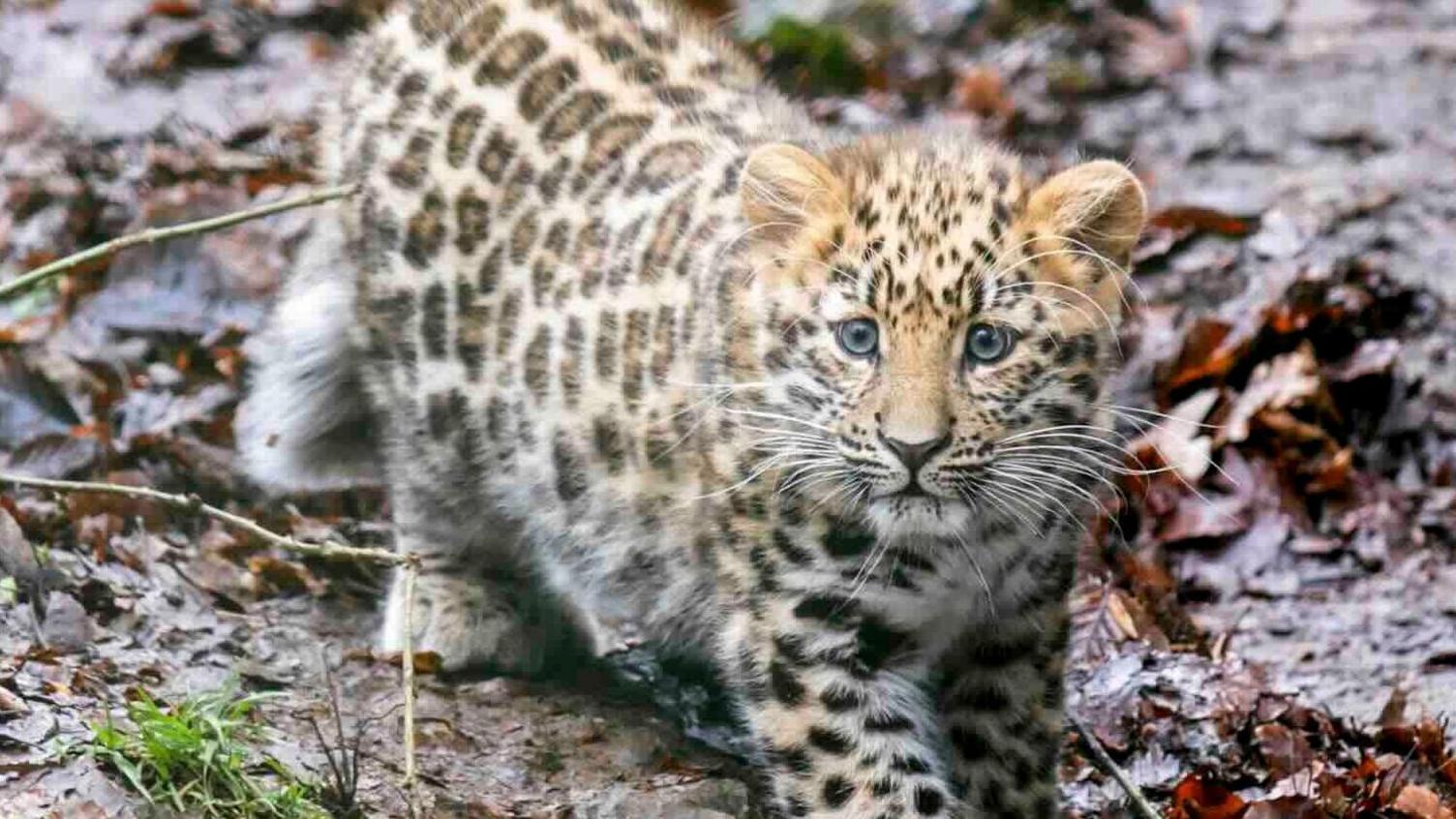
Rare Amur Leopard Cub Zeya Makes Public Debut at Dartmoor Zoo
In a heartwarming milestone for wildlife conservation, Dartmoor Zoo in Devon, UK, has introduced its newest resident—a rare Amur leopard cub named Zeya—to the public. Born on September 29, 2025, to proud parents Freddo and Lena, Zeya's debut marks a significant step in the zoo's breeding program aimed at bolstering the numbers of one of the world's most endangered big cats.
The Story Behind Zeya's Name and Arrival
Zeya's name draws inspiration from the River Zeya in the Amur region of eastern Russia, the native habitat of Amur leopards in the wild. This naming choice underscores the cub's connection to her species' origins, emphasizing the importance of cultural and geographical ties in conservation storytelling. According to zoo officials, Zeya is believed to be one of only 15 Amur leopards born globally in 2025, making her birth a rare and celebrated event.
After months of careful monitoring in a private rearing area, Zeya and her mother Lena transitioned to the main Amur leopard enclosure on Monday, following routine veterinary checks and vaccinations. Both mother and cub are reported to be in excellent health, displaying natural curiosity as they explore their expanded surroundings. This move represents not just a physical relocation but a pivotal moment in Zeya's development, allowing her to build essential skills like hunting and social interaction under supervised conditions.
Visitor Guidelines for a Smooth Introduction
Dartmoor Zoo is appealing to visitors to approach the exhibit with mindfulness. To help Zeya feel secure in her new environment, the zoo encourages calm and quiet behavior—no loud noises, sudden movements, or flashing cameras. 'We're thrilled to share Zeya with our community, but her well-being comes first,' a spokesperson noted. This considerate approach ensures the cub can acclimate without stress, fostering a positive experience for both animals and observers.
Conservation Significance of Amur Leopards
Amur leopards, also known as Siberian leopards, hold the unfortunate title of the rarest big cat species on the planet. With fewer than 120 individuals remaining in the wild, primarily in the Russian Far East and parts of China, they face threats from habitat loss, poaching, and human-wildlife conflict. However, recent conservation successes offer glimmers of hope. Strengthened legal protections in Russia and China have contributed to a slight population increase over the past decade, moving the species from the brink of extinction but still classifying it as critically endangered by the IUCN Red List.
Dartmoor Zoo plays a crucial role in the European Endangered Species Programme (EEP) for Amur leopards, coordinating breeding efforts across zoos to maintain genetic diversity. Zeya's arrival is more than a feel-good story; it's a tangible contribution to global efforts to prevent the loss of this majestic predator. By participating in such programs, institutions like Dartmoor help educate the public on biodiversity and the urgent need for habitat preservation in remote taiga forests.
Insights from Zoo Leadership
David Gibson, Chief Executive of Dartmoor Zoo, expressed profound excitement about the cub's public unveiling. 'Moving mum Lena and cub Zeya into the main Amur leopard enclosure is a momentous occasion,' Gibson stated. 'Our keepers have had the privilege of watching this incredibly important young leopard grow up and explore the world around her over the last few months, but now our visitors will have the chance to share in this enjoyment and see how Zeya develops the skills and ability she will need in years to come.'
Gibson's words highlight the dual role of zoos in conservation: not only safeguarding species but also inspiring public engagement. Dartmoor Zoo, nestled in the scenic landscapes of Devon, has long been a hub for such initiatives, attracting families and wildlife enthusiasts year-round.
Looking Ahead: Zeya's Future and Zoo Updates
As Zeya settles in, zoo staff anticipate her growing confidence in the coming weeks. Visitors can expect to see playful interactions between mother and cub, offering a rare glimpse into the early life of these elusive felines. The zoo plans to share regular updates via social media, including milestones like Zeya's first solid foods or climbing adventures.
This event builds on Dartmoor's recent successes, including the naming of Zeya in December 2025 and earlier hopes for a breeding match between Freddo and Lena announced in May 2025. For those interested in supporting conservation, the zoo offers adoption programs and guided tours that delve deeper into Amur leopard ecology.
Beyond Zeya, Dartmoor Zoo continues to champion various endangered species, from red pandas to meerkats, reinforcing its commitment to wildlife preservation. As global attention turns to climate change and biodiversity loss, stories like Zeya's remind us of the power of collective action in protecting our planet's treasures.
Why Visit Dartmoor Zoo Now?
Located in the heart of Dartmoor National Park, the zoo provides an immersive experience blending education and entertainment. With Zeya's debut, it's an ideal time to plan a visit—tickets are available online, and special family packages include keeper talks on big cat conservation. Whether you're a seasoned wildlife lover or introducing children to the wonders of nature, Zeya's story promises inspiration and awareness.
In an era where big cats roam free in ever-shrinking territories, Dartmoor Zoo's efforts with Zeya exemplify how captive breeding can bridge the gap to wild recovery. As her journey unfolds, the world watches with bated breath, hoping this tiny cub grows into a symbol of resilience for her kind.
