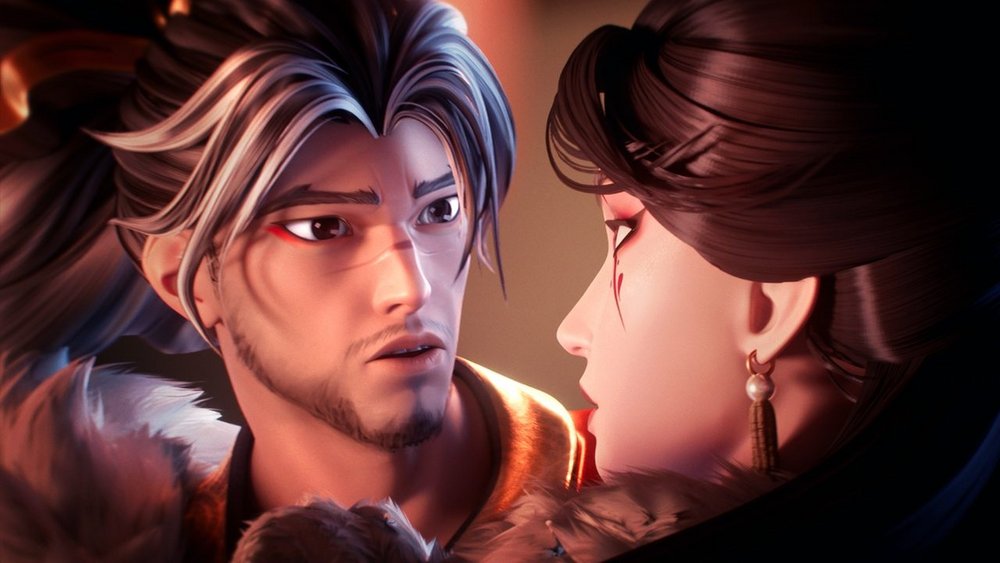
Riot Games Scales Back 2XKO Team for Sustainable Future
In a candid announcement that has sent ripples through the gaming world, Riot Games has revealed plans to reduce the size of the development team behind 2XKO, its highly anticipated League of Legends spin-off fighting game. Shared by Tom Cannon on February 9, 2026, the update underscores the challenges of sustaining momentum in a competitive genre while reaffirming Riot's commitment to the title's passionate fanbase.
The Announcement: What's Changing and Why
The decision to streamline the 2XKO team comes after extensive internal discussions and data analysis. As Riot expanded the game from PC to consoles, early trends revealed a dedicated core audience but insufficient overall player engagement to justify the current team scale long-term. "The game has resonated with a passionate core audience, but overall momentum hasn’t reached the level needed," Cannon explained in the official blog post.
This isn't the first pivot for 2XKO, which launched its Season 1 in January 2026 with a new champion, Battle Pass, and fresh content. However, post-launch metrics highlighted the need for a more focused approach. By shrinking the team, Riot aims to concentrate resources on critical improvements, including features requested by players. Specific plans are slated for reveal soon, but the emphasis is on enhancing gameplay to better capture the fighting game community's (FGC) energy.
Impact on Competitive Play
Reassuring fans, Riot confirmed that the 2026 Competitive Series remains untouched. The company will continue partnering with tournament organizers and local communities, prioritizing support for events that drive the FGC forward. This stability is crucial, as 2XKO positions itself as a bridge between Riot's MOBA roots in League of Legends and the fast-paced world of 2D fighters like Street Fighter or Guilty Gear. With its unique tag-team mechanics and Runeterra-inspired roster, the game has already carved a niche, but broader appeal is key to longevity.
Supporting the Team Behind the Game
Beyond the strategic shift, Cannon's message highlighted the human element. The developers who brought 2XKO to life invested years in creative risks, blending League's lore with innovative combat. "The work they did is real and meaningful," he noted. To ease the transition, Riot is offering comprehensive support: exploring internal opportunities where possible, plus a minimum of six months' notice pay and severance for those affected.
This approach aligns with broader industry trends, where even giants like Riot face pressures from market saturation and evolving player habits. In the UK gaming scene, where esports viewership is booming— with events like the British Esports Federation championships drawing thousands—such moves are watched closely. They reflect a maturing sector prioritizing sustainability over unchecked expansion.
Broader Context in Riot's Ecosystem
2XKO's update arrives amid a flurry of Riot activity. Just weeks earlier, League of Legends celebrated Lunar Revel 2026 with cinematics like "Old Friends, New Bloom" and new skins for champions such as Irelia and Lee Sin. Wild Rift geared up for Patch 7.0's Ionia Celebrations, introducing Year of the Horse festivities, while VALORANT kicked off its 2026 season. Even Legends of Runeterra and Teamfight Tactics saw updates, underscoring Riot's multi-game portfolio.
Yet, this team reduction signals a recalibration. Riot's recent Community Pact, outlined on January 6, 2026, sets standards across all titles, emphasizing positive player interactions. For 2XKO, maintaining that community spirit is vital. The FGC thrives on grassroots events, and Riot's pledge to bolster organizers could amplify local UK scenes, from London LAN parties to Manchester meetups.
Player Reactions and Future Outlook
Early community feedback has been mixed: disappointment over potential delays in updates, tempered by appreciation for transparency. Forums buzz with speculation on requested features—like deeper customization or balanced netcode—that the refocused team might tackle. Cannon acknowledged the "energy and passion" of players, crediting it as fuel for the next chapter.
Analysts see this as a pragmatic step. The fighting game market is niche but loyal; titles like Mortal Kombat 1 succeeded through iterative polish. If Riot leverages 2XKO's strengths—stunning visuals, accessible controls, and crossover appeal—it could solidify its place. For UK gamers, accessible via PC and consoles, this evolution might mean a leaner but sharper game by mid-2026.
Implications for the Gaming Industry
This news isn't isolated. As 2026 unfolds, the industry grapples with post-pandemic shifts: hybrid work for devs, rising development costs, and console wars intensifying. Riot's move echoes layoffs at other studios, like those at Epic Games or Ubisoft, but its employee support sets a positive tone. In the UK, where the games sector employs over 50,000 and contributes £7 billion to the economy (per Ukie reports), such decisions influence talent retention and innovation.
Ultimately, 2XKO isn't fading—it's adapting. By streamlining, Riot bets on quality over quantity, potentially turning a core audience into a mainstream hit. As Cannon closed, "Thank you for playing 2XKO, for caring enough to ask hard questions, and for being part of this community." The journey continues, sharper and more sustainable.
Stay tuned to Everythiiing.com for updates on 2XKO's roadmap and Riot's evolving lineup.