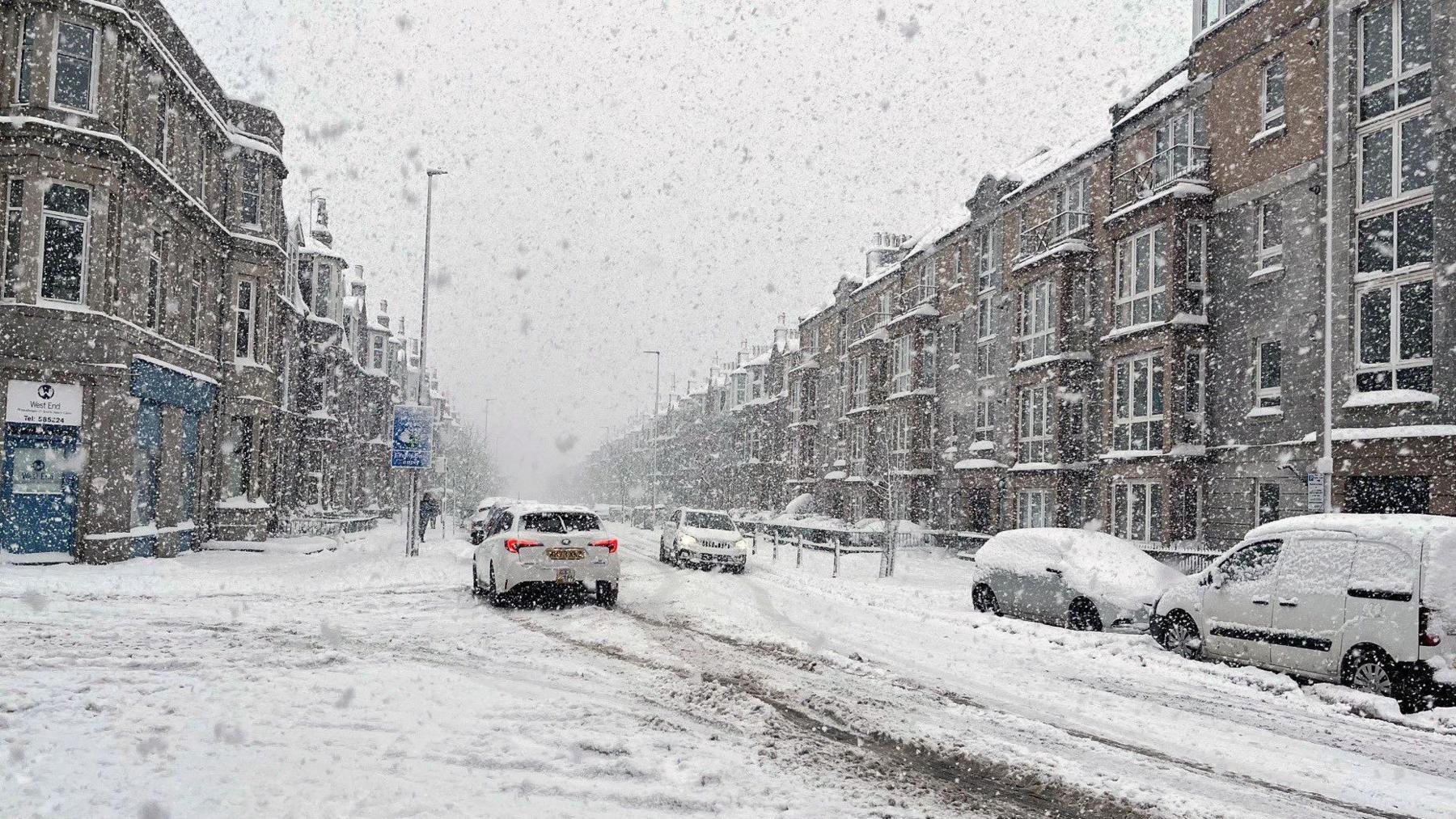
Scotland Faces Snow and Winds: Met Office Warnings Issued
As winter tightens its grip on the UK, the Met Office has rolled out yellow weather warnings for snow and strong winds targeting parts of Scotland. Starting from midnight on Monday, February 2, 2026, these alerts signal potential disruptions across mainland Scotland, Orkney, and Shetland, lasting until 3 PM on Wednesday. With recent heavy snowfall in the north-east already causing headaches, this fresh bout of wintry weather could exacerbate ongoing challenges from rain, flooding, and ice.
Details of the Weather Warnings
The primary yellow warning covers mainland Scotland and the Orkney Islands, effective from midnight Monday to 3 PM Wednesday. A separate alert kicks in for Shetland at 6 PM Tuesday, highlighting the island's vulnerability to isolated but intense conditions. Forecasters predict a mix of rain, sleet, and snow at lower levels, leading to accumulations of up to 2 inches (5 cm) in some spots by midweek. Higher ground, particularly in the Highlands, could see as much as 8 inches (20 cm) piling up, creating hazardous driving and walking conditions.
In Shetland, the outlook is similarly grim, with more than an inch (3 cm) of snow expected widely and up to 4 inches (10 cm) over elevated terrain. Strong winds, gusting fiercely, are set to whip up blizzard-like conditions, especially in northern areas. This could result in drifting snow, reducing visibility to near zero and stranding travelers. The Met Office emphasizes that while not everyone will be hit equally, the combination of precipitation and gales poses risks for power outages, transport delays, and isolated communities.
Affected Regions and Potential Impacts
Key areas under threat include the Highlands, Moray, Aberdeenshire, and Perth and Kinross—regions that have battled relentless weather since the new year began. Aberdeen, for instance, endured heavy snowfalls early in January 2026, leading to school closures and road chaos. This week's forecast revives those memories, with officials urging residents to prepare for similar scenes.
Transport networks are bracing for the worst. Traffic Scotland anticipates delays on major routes like the A9 and A82, where snowplows will be in high demand. Ferry operators such as CalMac and Pentland Ferries have warned of possible cancellations, particularly to and from Orkney and Shetland. ScotRail services in the north may face speed restrictions or suspensions, echoing disruptions from earlier in the month when schools shut across the region due to ice and snow.
Beyond travel, the warnings touch on broader vulnerabilities. Rural communities in the Highlands could face supply chain issues, while farmers worry about livestock in exposed areas. The Met Office notes that recent flooding—stemming from heavy rains in late January—has left some grounds saturated, increasing the risk of further waterlogging once the snow melts.
Why Now? Understanding the Weather Pattern
This onslaught forms part of a larger Atlantic weather pattern pushing cold air southward from the Arctic. Unlike milder southern UK conditions, Scotland's northern latitude exposes it to these polar blasts more frequently during winter. Climate experts point out that while overall UK temperatures have trended warmer, regional extremes like this persist, influenced by shifting jet streams.
Looking back, 2026 has been unforgiving for Scotland's weather. From daily snow battles reported in early January to widespread flooding mid-month, the nation has seen no respite. The Met Office's long-range forecast suggests this pattern may linger into late February, with intermittent wintry showers possible across northern England too. For the latest UK weather forecast snow updates, residents are advised to monitor official apps and sites.
Preparation and Safety Tips
To navigate this, authorities recommend stocking up on essentials like food, water, and medications for at least 48 hours. Clear snow from paths and drives promptly to avoid slips, and never ignore road closure signs. Drivers should equip vehicles with winter tires, blankets, and charged phones. For those in remote areas, checking in with neighbors and having alternative heating sources is crucial.
The Met Office also highlights vulnerable groups: the elderly, young children, and those with health conditions should minimize outdoor exposure. Community centers in affected towns like Inverness and Wick are preparing warming hubs if needed. In a nod to modern tech, apps like the Met Office's weather tracker offer real-time alerts tailored to your postcode.
Broader UK Weather Outlook
While Scotland bears the brunt, the rest of Great Britain isn't entirely spared. Southern and central England may see milder, wetter conditions with rain dominating, but a northerly push could bring sleet to the Midlands by week's end. Wales and Northern Ireland face gusty spells, though accumulations remain unlikely below 200 meters.
As global warming reshapes weather norms, events like this underscore the need for adaptive infrastructure. Scotland's ongoing investments in resilient roads and flood defenses are timely, yet experts call for more nationwide coordination. For now, the focus is immediate: stay safe, stay informed, and watch for updates on this evolving UK weather forecast snow scenario.
In summary, with up to 20 cm of snow on the cards and winds fueling blizzards, Scotland's residents are in for a frosty few days. Everythiiing.com will keep you posted on developments—because when it comes to weather, preparation is key.

