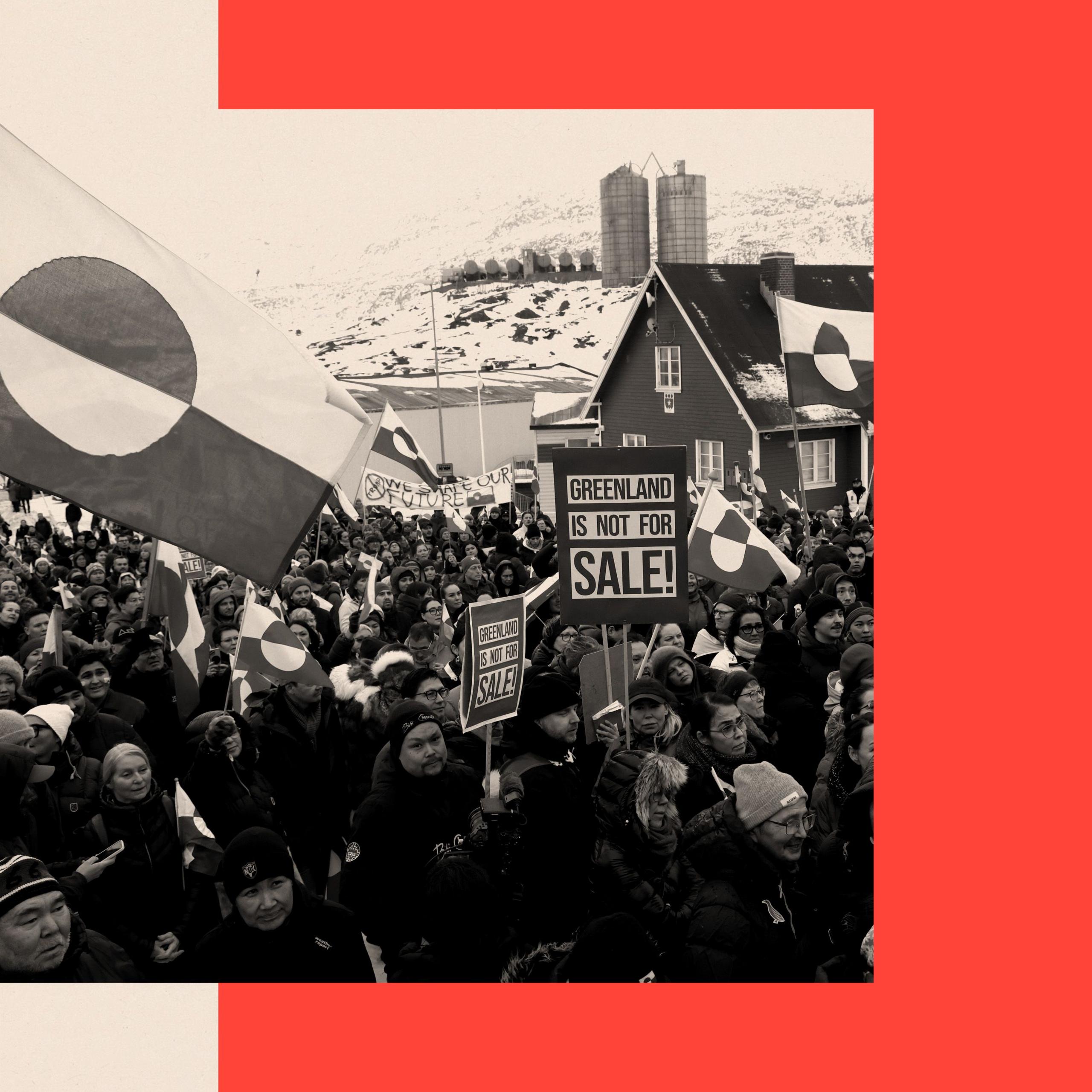
Stock Market Turmoil: The Ripple Effect of the US-Denmark Dispute Over Greenland
The escalating dispute between the United States and Denmark over the semi-autonomous territory of Greenland has sent shockwaves through global stock markets. As tensions rise, investors are grappling with the potential economic consequences of this geopolitical standoff.
The Dispute Over Greenland
Greenland, a semi-autonomous territory of Denmark, has become a focal point of international tension. President Trump has doubled down on his insistence that the US "has to have" Greenland for national security reasons, signaling a potential shift in US foreign policy.
President Trump is leaning heavily on Denmark's allies in both the EU and NATO to abandon Copenhagen and let the US take control of Greenland. Failure to comply could result in punitive taxes on all their exports to the United States, a move that has European economies, already in the doldrums, on edge.
Economic Fallout
The threat of tariffs has sent ripples through stock markets globally. Investors are particularly concerned about the impact on economies reliant on exporting to the US, such as Germany's car industry and Italy's luxury goods market.
"We're living through uncharted territories. We've never seen this before. An ally, a friend of 250 years, is considering using tariffs as a geopolitical weapon," said France's Finance Minister Roland Lescure.
Retaliatory Measures
In response, European leaders are considering imposing €93 billion worth of tariffs on US goods. These retaliatory measures could have a significant knock-on effect on US consumers as well, given the massive presence of European Union investors in nearly all 50 US states.
Market Reactions
Stock markets in Europe and the US have experienced increased volatility in recent weeks. Investors are closely watching the developments, with many adjusting their portfolios to mitigate potential risks.
Germany's finance minister, Lars Klingbeil, stated, "A line has been crossed. You'll understand that today I'm not saying exactly what will happen. But one thing must be clear: Europe must be prepared."
Investor Strategies
As uncertainty looms, investors are adopting a cautious approach. Many are diversifying their portfolios to include assets that are less sensitive to geopolitical tensions. Additionally, there is a growing interest in sectors that are less reliant on international trade, such as technology and healthcare.
Future Outlook
The European Union is hoping to approach the US president at the World Economic Forum with a united front. European leaders are telling President Trump they'll support him in prioritizing Arctic security, suggesting there's no need for him to go it alone over Greenland.
Meanwhile, EU diplomats are considering imposing retaliatory tariffs on US goods or restricting the access of American businesses to the bloc's massive single market if Trump proceeds with his "Greenland tariffs."
Potential Compromise
Brussels is crossing its fingers that President Trump will realize the potential consequences of his maximalist position. If he understands that he may end up gaining an island but losing close allies and causing US consumer costs to rise, he might be more willing to negotiate a compromise solution.
Conclusion
The dispute over Greenland is not just a geopolitical issue; it has significant economic implications that are being felt in stock markets around the world. As tensions continue to escalate, investors and policymakers alike are bracing for potential fallout. The coming weeks will be crucial in determining whether a compromise can be reached and whether the stock market can stabilize.

