Tyra Banks' 'America's Next Top Model': A Legacy Re-examined
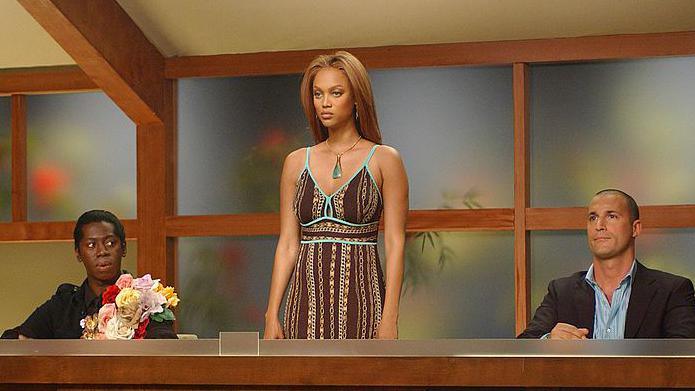
For over two decades, Tyra Banks' brainchild, America's Next Top Model (ANTM), has been a cornerstone of reality television. From its iconic catchphrases to its dramatic makeovers, the show captivated audiences worldwide, launching a global phenomenon that spawned local versions in over 170 countries. However, as a new documentary delves into the show's most shocking moments, a critical question emerges: should America's Next Top Model have ever been made?
The Unforgettable Moments and Lingering Questions
The infamous rant from Tyra Banks at contestant Tiffany Richardson – "I was rooting for you! We were all rooting for you! How dare you?" – remains etched in the collective memory of reality TV enthusiasts. This moment, amplified by its sheer emotional intensity, was just one of many on ANTM that pushed the boundaries of entertainment. The show, which ran for 24 'cycles' from 2003 to 2018, was a breeding ground for drama, often fuelled by body-shaming, controversial race-swapping challenges, perilous stunts, and seemingly humiliating tasks, all designed to keep viewers glued to their screens.
Even during its heyday, ANTM sparked conversations about the ethical limits of reality television. But with a new generation discovering the show during the COVID-19 pandemic, the sentiment has shifted towards a more critical appraisal. The question on many minds is now: "How did this ever get made?"
From Catwalk Dreams to Controversial Challenges
America's Next Top Model pitted aspiring models against each other in a series of demanding photoshoot challenges, all vying for a coveted 12-month modelling contract with a top agency. The show's global reach meant that its influence was undeniable, inspiring countless young hopefuls and local spin-offs.
Sophie Sumner, who experienced both sides of the ANTM coin, first appearing on Britain's Next Top Model before winning cycle 18 of the American version, offers a stark comparison. "The American edition of the show made the British version look like a fluffy little competition in comparison," she told BBC Newsbeat. Sumner recalls the intense scrutiny of her appearance by the judges, which she acknowledges mirrored the often brutal realities of the modelling industry at the time, where extreme weight expectations were commonplace. However, she categorised other challenges, such as the infamous "race-swapping" photoshoots, as "trash on their end," suggesting a collective awareness among contestants that such elements were deeply problematic.
The Psychological Toll of Reality TV
Sumner's experience on ANTM was far from comfortable. She described the show as being deliberately designed to "wind you up mentally." A particularly harrowing example was a photoshoot atop the Macau Tower, a staggering 338 meters (1,100ft) in the air, conducted during a rainstorm, despite Sumner's declared fear of heights. When questioned about the show's duty of care, Sumner's response was a poignant laugh, stating, "We didn't have any help on the show. It was to get the drama. It was to get the ratings."
While Sumner acknowledges the platform ANTM provided, leading to her current base in the US, she also points out that many young contestants, plucked from smaller towns, harboured unrealistic expectations of immediate, massive careers. The reality, she suggests, was often far less glamorous.
Hindsight and the Evolution of Reality Television
In the early days of ANTM, producers didn't face the same level of scrutiny that modern content creators do, particularly with the pervasive influence of social media. YouTubers like Oliver Twixt have built careers analysing past reality TV moments, interviewing over 100 ANTM contestants. Twixt suggests that by today's standards, questions would undoubtedly be raised about the treatment and portrayal of some participants.
However, Twixt also cautions against judging ANTM solely by contemporary moral compasses, stating, "hindsight is always 20/20." He advocates for "grace and compassion" given that the show emerged during a period when reality television was still finding its footing and defining its ethical boundaries. The show's enduring popularity, despite its controversies, speaks to its powerful ability to tap into the public's fascination with transformation, competition, and the often-unseen world of high fashion. Yet, as we continue to re-evaluate its impact, the legacy of America's Next Top Model remains a complex tapestry of groundbreaking entertainment and undeniable ethical quandaries.