Election Aftermath: Uganda Gripped by Violence and Unrest
Uganda continues to navigate a period of intense political tension following recent elections that saw President Yoweri Museveni secure a seventh term in office. The aftermath has been marked by allegations of electoral fraud, violent clashes, and the arrest of key political figures.
Arrest of Muwanga Kivumbi: A Blow to the Opposition
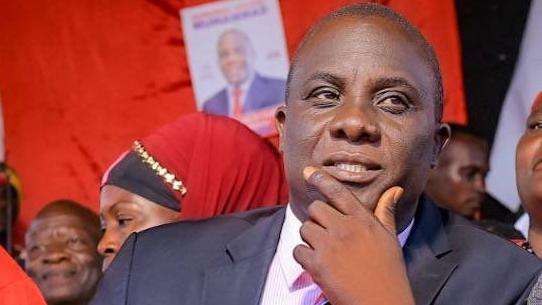
Muwanga Kivumbi, a deputy leader of the National Unity Platform (NUP) and a close ally of opposition leader Bobi Wine, has been detained by Ugandan police in connection with election-related violence. The NUP has vehemently denied the accusations against Kivumbi, who is alleged to have organized attacks on a police station and a vote-tallying center following the electoral defeat.
Conflicting Reports on Casualties
The Uganda Police Force reported that seven people were killed in incidents related to the violence, while Kivumbi claimed that ten individuals were killed at his home as they awaited the parliamentary election results. The discrepancy in these accounts adds to the already charged atmosphere surrounding the elections.
Bobi Wine in Hiding: Denial of Fraudulent Results
Bobi Wine, Museveni's closest challenger in the elections, has denounced the results as "fake" and has accused the government of electoral fraud. Since the election, Wine has been in hiding after fleeing a raid on his house. He has also alleged that there is a "silent massacre" underway and that security forces are targeting political activists.
Wine's Social Media Statement
On Tuesday, Wine posted on social media that over 100 people had been killed in election-related violence, although he did not provide specific evidence to support this claim. This statement comes on the heels of Uganda's army chief, Gen Muhoozi Kainerugaba, who is also Museveni's son, reporting that security forces had killed 22 opposition supporters during poll-related violence.
Museveni's Long Reign and Uganda's Political Landscape
President Yoweri Museveni first came to power as a rebel leader in 1986. His re-election for a seventh term means he will have served for 45 years when his next term ends in 2031. Uganda has not witnessed a peaceful transfer of presidential power since its independence. Interestingly, Museveni once criticized African leaders who cling to power, a stance that has drawn attention given his long tenure.
The Opposition's Struggle
The National Unity Platform, led by Bobi Wine, has been a significant force in Ugandan politics, challenging the long-standing rule of Museveni. The party's efforts to mobilize youth and promote democratic ideals have made them a formidable opponent, albeit one that faces significant obstacles from the incumbent government.
Internet Shutdown and Crackdown on Youth
In the aftermath of the elections, Uganda experienced an internet shutdown, which has had far-reaching implications for the economy and civil society. Additionally, authorities have reportedly arrested dozens of youths on various charges linked to election-related incidents in Kampala. This crackdown has raised concerns about the state's handling of dissent and the suppression of political activism.
Economic and Social Impact
The internet shutdown and political unrest have had a tangible impact on the daily lives of Ugandans, particularly those in urban areas. Many businesses have suffered due to the inability to conduct transactions online, while activists and opposition supporters have found it increasingly difficult to organize and communicate.
International Reaction and Human Rights Concerns
The international community has been closely monitoring the situation in Uganda, with several organizations expressing concern over the reported human rights abuses and the suppression of political opposition. Calls for a fair and transparent electoral process have been echoed by various foreign governments and international bodies.
The Role of Social Media
Throughout the election period and its aftermath, social media has played a crucial role in disseminating information and mobilizing support for the opposition. However, the government's efforts to control the narrative and restrict access to online platforms have raised questions about freedom of expression and the right to information.
Looking Ahead: Challenges and Opportunities
As Uganda grapples with the aftermath of the elections, the path forward remains uncertain. The arrest of Muwanga Kivumbi and the ongoing tensions highlight the deep divisions within the country's political landscape. The coming months will be critical in determining whether the democratic process can be restored and whether the opposition can find a voice in the face of state repression.
For now, Ugandans are left to navigate a complex and volatile situation, with hopes for a peaceful resolution and a return to normalcy. The international community's support and engagement will be crucial in ensuring that the rights and aspirations of the Ugandan people are not overlooked.