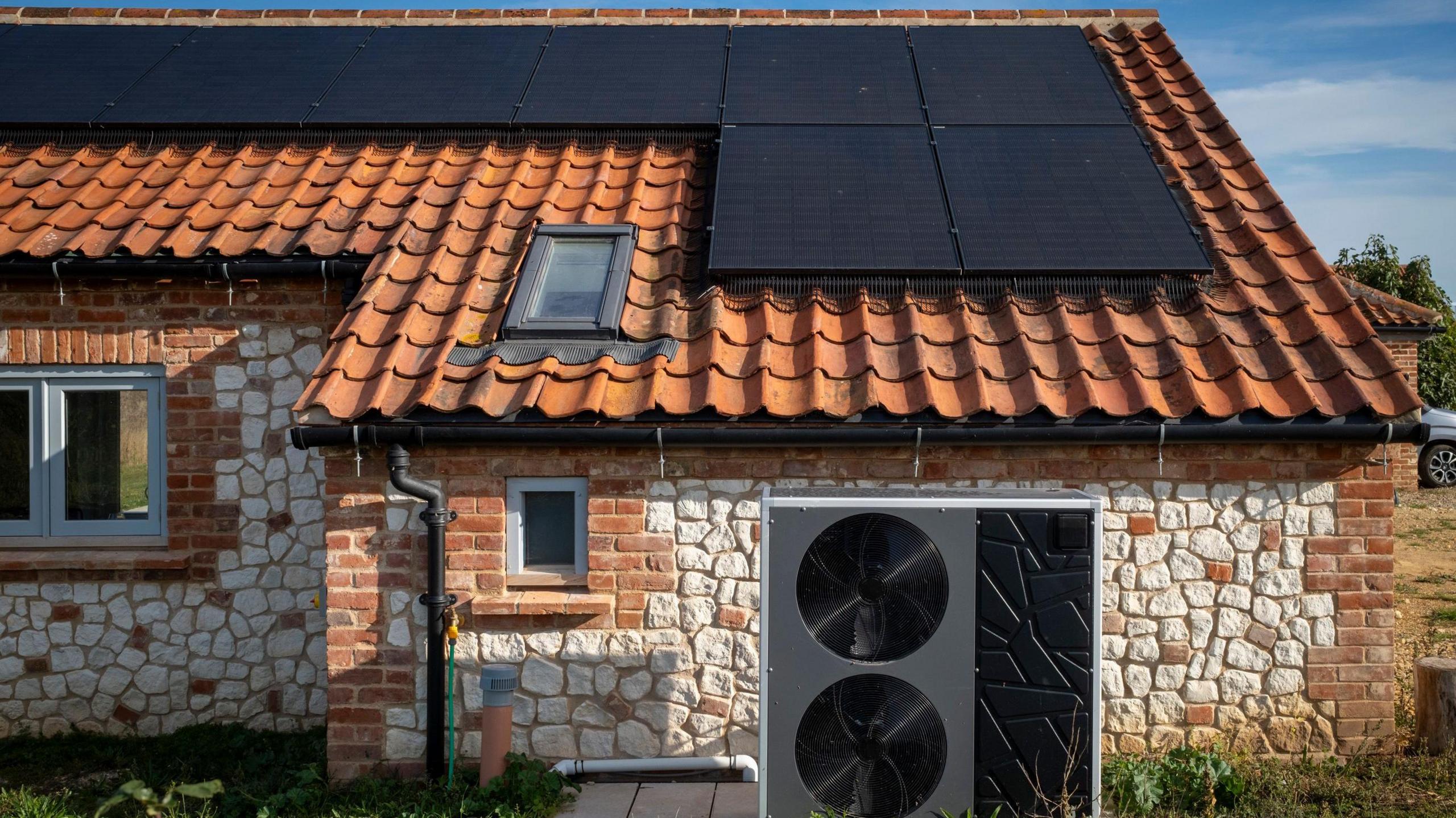
In a major announcement aimed at tackling rising energy costs and fuel poverty, the UK government has unveiled the long-awaited Warm Homes Plan, allocating £15bn over the next five years to fund solar panels, heat pumps, and batteries for households across the country.
Key Components of the Plan
The plan, which has been in development since 2024, promises to provide significant financial support to homeowners and renters, with a focus on reducing energy bills and improving home efficiency. Here are the key measures:
Grants and Loans for Green Technologies
The government will extend the Boiler Upgrade Scheme by an additional year, until 2029/30, offering £7,500 grants for heat pumps. Additionally, an extra £600m will be allocated to low-income households to cover the full cost of solar panels and batteries, bringing the total funding for these technologies to £5bn.
Low and zero-interest loans will also be available to households, regardless of income, to help cover the costs of installing these technologies. While the grants will significantly reduce the upfront costs, some households may still face additional expenses. For instance, the average cost of installing a heat pump after the subsidy is estimated to be around £5,000.
Energy Savings and Fuel Poverty Reduction
The government estimates that installing solar panels, heat pumps, and batteries could save an average three-bedroom semi-detached home up to £500 annually on energy bills. However, charities such as Nesta and the MCS Foundation suggest that the savings could be even higher, potentially exceeding £1,000 per year.
The plan aims to lift one million people out of fuel poverty and triple the number of homes with solar panels, creating what the government calls a “rooftop revolution.”
New Rights for Renters
In addition to the financial incentives, the plan introduces new rights for renters, ensuring that they are not left behind in the transition to more energy-efficient homes. This is a significant step, as renting households often face higher energy costs due to the older, less efficient properties they occupy.
Industry and Political Reactions
The announcement has been met with largely positive responses from the energy and finance industries, as well as workers' unions, who see the £15bn commitment as a crucial driver for private investment in green technologies.
“£15 billion is a substantial commitment; it provides certainty to investors and businesses in the energy market,” said Dhara Vyas, chief executive of trade body Energy UK.
However, not all reactions have been positive. The Conservative Party criticised the scheme, arguing that it will “saddle households with high ongoing running costs.”
Camilla Born, CEO of Electrify Britain, a joint campaign group from Octopus and EDF, welcomed the announcement but emphasised the need for effective delivery. “The bad side is that it is a plan, and we need delivery,” she said.
Richard Tice, deputy leader of Reform, strongly criticised the plan, stating that it was “A scandalous waste of up to £15bn of taxpayers’ cash primarily buying Chinese-made solar panels, batteries, and heat pumps, that is bad for British industry.” According to HMRC trade data, two-thirds of the solar panels imported by the UK in 2024 came from China.
Shift in Focus from Insulation
Interestingly, the original plan had a stronger focus on insulation, which was seen as a cost-effective way to reduce heat loss from the UK’s poorly insulated housing stock. However, due to controversies surrounding the government-funded Energy Company Obligation (ECO) scheme, which saw botched installations, the plan has been downgraded.
Aadil Qureshi, CEO of Heat Geek, which retrains heating engineers to install heat pumps, argued that this was the right decision. “Unlike insulation, heat pumps are a technology in its infancy in the UK, and we need to focus on the more effective solutions first,” he said.
Implementation and Challenges Ahead
While some schemes are already distributing grants, the new funding is yet to be allocated. The government has stated that further engagement with the finance sector is needed this year to determine how and when households will receive the money.
The plan also aims to create 180,000 new jobs in the clean heating sector, although some of these are likely to involve retraining existing engineers rather than creating entirely new roles.
As the UK continues to grapple with the dual challenges of rising energy costs and climate change, the Warm Homes Plan represents a significant step towards a more sustainable and affordable future for homeowners and renters alike.


