UK Snow and Ice Warnings: Met Office Forecasts Arctic Blast
As the UK shakes off weeks of relentless rain and gloom, a dramatic weather shift is on the horizon. The Met Office has issued two yellow warnings for snow and ice, signaling the return of Arctic air that promises to plunge temperatures and blanket parts of the country in winter white. This comes after a period of record-breaking dampness, offering a stark contrast to the mild, soggy start to 2024. With potential disruptions to travel and daily life, residents in Scotland and northern England are urged to prepare for colder conditions starting Thursday night.
Current Weather Warnings and Their Scope
The Met Office's alerts are active overnight Thursday into Friday, covering Scotland and extending to northern England and the north Midlands. The first yellow warning targets Scotland, where snow could accumulate a few centimeters even on lower roads by Friday morning. Higher elevations above 300 meters might see 2 to 5 cm, with up to 10 cm possible in isolated spots. Ice formation adds to the hazards, particularly on untreated surfaces, turning pavements and roads into slippery traps.
A second warning affects northern England, including the Pennines, Derbyshire, and Cumbria. Here, snow is expected at low levels but unlikely to settle below 200 meters. Above that threshold, accumulations of 2 to 5 cm are forecast, with some areas over 300 meters potentially reaching 10 cm. This could severely impact cross-Pennine routes, leading to delays and closures. The combination of dropping temperatures—plummeting below freezing overnight—and precipitation sets the stage for widespread frost, the first significant one of February.
Why Now? The Shift from Wet to Wintry
Recent weeks have been dominated by a 'blocked' weather pattern, trapping low-pressure systems over the UK and causing persistent rain and cloud cover. Cities like Aberdeen endured 21 straight days without meaningful sunshine, a record gloom that finally broke on Thursday afternoon with a brief 30-minute burst of rays. This marked the end of an era of dismal skies, but the arrival of Arctic air signals a colder, clearer phase.
Friday will feel markedly chillier nationwide, with temperatures lagging behind seasonal norms. By Saturday, the UK should enjoy a dry, sunny respite—the most settled day in recent memory. However, relief may be short-lived, as Saturday night into Sunday introduces renewed snow risks, potentially at low levels across wider areas. The Met Office advises monitoring updates closely, as patterns can evolve rapidly.
Regional Breakdown: Where to Expect the Worst
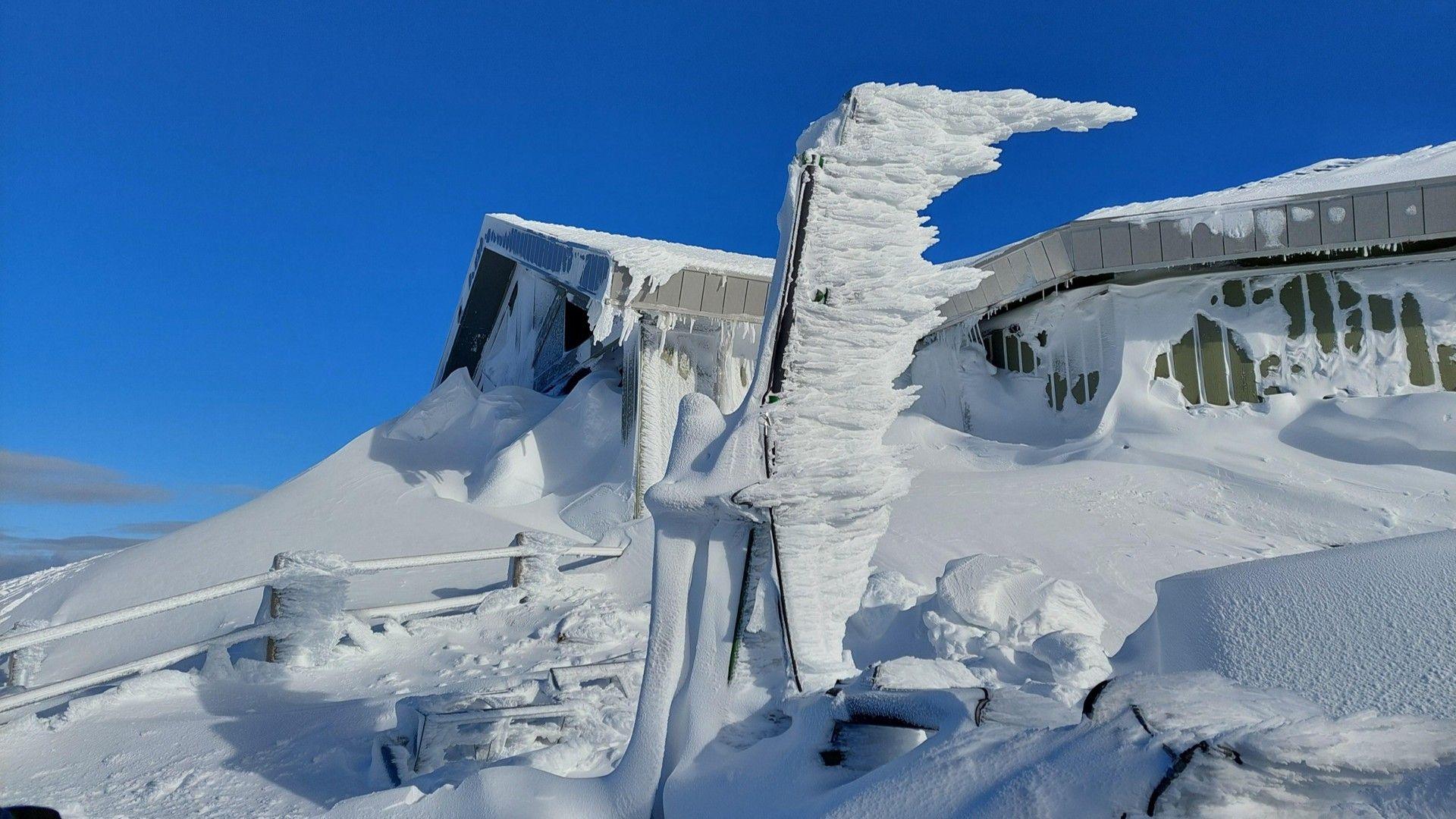
In Scotland, the warning encompasses much of the country, with higher risks in the Highlands and Grampians. Snow-covered peaks, like those at Glenmore, already glisten under February sun, but fresh falls could exacerbate isolation in rural spots. Northern England faces similar threats, particularly in elevated terrains. The Pennines, a notorious bottleneck for winter travel, may see the heaviest impacts, with drivers advised to check road conditions via apps like the BBC Weather or Met Office sites.
Southern regions might escape the snow but won't dodge the frost. Overnight lows could dip to -5°C in parts of the Midlands, while the south sees lighter chills around 0°C. Flooding remains a concern elsewhere, with 75 warnings active across England. The Environment Agency highlights ongoing groundwater issues in Dorset, Wiltshire, Hampshire, West Sussex, and Kent, alongside river risks in Somerset, Wiltshire, and along the River Trent. This dual threat of frozen and flooded conditions underscores the UK's variable winter climate.
Longer-Term Outlook: Colder Weekend Ahead
Temperatures will hover below average through the weekend, with highs of 2-5°C by Tuesday. Sunday's potential for low-level snow could extend disruptions, affecting commutes and public services. The UK Health Security Agency has responded with yellow cold health alerts for northern England and the Midlands, effective from 06:00 GMT Friday to 08:00 Monday. These warn of minor strains on health services and elevated risks for vulnerable groups, such as the elderly and those with respiratory issues. Minor impacts might include increased GP visits, but preparation—like ensuring heating systems work—can mitigate dangers.
Impacts and Safety Advice
The incoming Arctic blast isn't just about scenery; it's a practical challenge. Treacherous roads pose the biggest risk, with untreated surfaces prone to black ice. The RAC and AA recommend winter tires, slow speeds, and emergency kits for drivers. For pedestrians, grit bins and careful footing are essential. Pets and livestock also need attention—insulate outdoor animals and watch for hypothermia signs, as per recent BBC guidance on cold weather pet care.
Economically, disruptions could ripple through transport and agriculture. Farmers in snow-prone areas might face feed delays, while airlines and trains prepare for cancellations. This event also sparks broader questions: Are wetter winters and frequent extremes the new normal? Climate analyses suggest shifting patterns, with Atlantic influences amplifying both floods and freezes.
Staying Prepared: Resources and Tips
To navigate this, use the Met Office app for hour-by-hour forecasts tailored to your postcode. BBC Weather provides real-time warnings and radar. For driving in snow, maintain distance, avoid sudden maneuvers, and use dipped headlights. Indoor dwellers should layer up and check on neighbors. As we transition from flood to frost, this weather pivot reminds us of the UK's unpredictable charm—and the need for vigilance.
In summary, the Met Office's snow and ice warnings herald a wintry refresh after soggy starts. While Saturday offers sunshine, the weekend's chill demands respect. Everythiiing.com will keep you updated—stay safe out there.