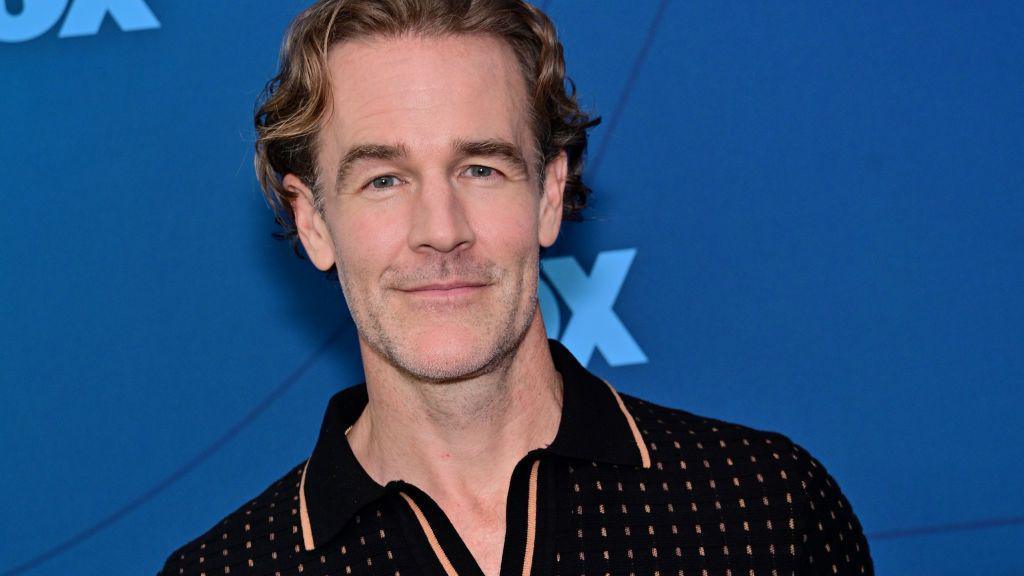
The recent news surrounding former teen idol James Van Der Beek's battle with medical bills has sent ripples through Hollywood and beyond, exposing the often-hidden financial vulnerabilities faced by even the most recognisable faces in the entertainment industry. Van Der Beek, best known for his starring role as Dawson Leery in the iconic 1990s teen drama Dawson's Creek, tragically passed away at the age of 48 after a three-year fight with colorectal cancer. His wife's public plea for donations to cover his extensive medical treatments, which have raised a significant sum, underscores a critical issue: the immense cost of healthcare and its devastating impact on individuals and families, regardless of their fame.
The High Cost of Cancer Treatment
The financial strain experienced by Van Der Beek and his family highlights the exorbitant costs associated with prolonged medical care, particularly for cancer treatment. His wife revealed that the expenses were so overwhelming that they were at risk of losing their home. This situation is not unique to the Van Der Beek family; millions across the UK and globally grapple with the financial burden of medical emergencies.
In the months leading up to his death, Van Der Beek candidly shared his financial struggles. He even resorted to auctioning off cherished memorabilia from his career, including the shirt he wore in the pilot episode of Dawson's Creek and items from films like Varsity Blues. This desperate measure, as he explained to People Magazine, was a direct response to the unexpected financial demands placed upon him by his illness. "It's clear that the time is now," he stated, signalling the urgency of his financial predicament.
A Career Defined by a Bad Contract?
Adding another layer to Van Der Beek's financial woes was the revelation about his earnings from Dawson's Creek. He disclosed that he was paid "almost nothing" for the show and, crucially, his contract did not include residuals. Residuals are payments made to actors, writers, and directors when their work is re-aired or licensed, a vital income stream for many in the industry. In stark contrast, actors from contemporary shows like Friends are reportedly earning millions annually from such payments.
"There was no residual money," Van Der Beek stated in a 2012 interview. "I was 20. It was a bad contract. I saw almost nothing from that." This highlights how initial contract negotiations, especially for young actors, can have long-lasting financial repercussions.
Health Insurance: A Tightrope Walk for Actors
The issue of health insurance is another significant challenge for actors. Qualifying for coverage through prominent unions like SAG-AFTRA in Hollywood often depends on meeting specific work hour or income thresholds. For instance, actors may need to work 108 days a year or earn at least $28,090 on union shoots to qualify for health insurance. Van Der Beek's continued work after his diagnosis, appearing in two episodes of Overcompensating in 2025, raises questions about whether these sporadic roles were sufficient to maintain his union health insurance coverage.
The SAG-AFTRA Qualification Conundrum
Benjamin Byron Davis, an actor with credits in television and films like Marvel's Ant-Man, echoed these concerns. He explained to the BBC that decreased residuals have become a pervasive problem, impacting actors across the board. "Revenue streams that actors have depended upon have disappeared," he noted, attributing this shift, in part, to the rise of streaming services and evolving compensation models.
Davis also revealed that he lost his health insurance during the 2023 SAG-AFTRA strikes due to a lack of work. He was only able to regain coverage once the strikes concluded and he met the necessary qualifications again. He pointed out that the union's minimum earnings requirement for health insurance has tripled in just a decade, making it unattainable for a vast majority of actors.
A Wider Industry Problem
Van Der Beek's situation is tragically not an isolated incident. Shannen Doherty, star of Beverly Hills, 90210, who passed away in 2024, publicly stated that she lacked insurance when she was first diagnosed with breast cancer. These high-profile cases serve as stark reminders of the systemic issues within the entertainment industry that leave many performers financially vulnerable.
Valerie Yaros, an archivist with SAG-AFTRA, acknowledged that while union members who are covered by the plan receive good health coverage, the qualification criteria remain a barrier for many. The precarious nature of acting work, often characterised by periods of intense employment followed by unemployment, makes consistently meeting these requirements a constant struggle.
The case of James Van Der Beek's medical bills is a powerful call to action, urging a broader conversation about the affordability of healthcare, the sustainability of income for creative professionals, and the need for more robust support systems within industries like entertainment. As his family continues to navigate their grief and financial recovery, their story serves as a poignant reminder of the human cost of medical debt and the importance of collective support.
