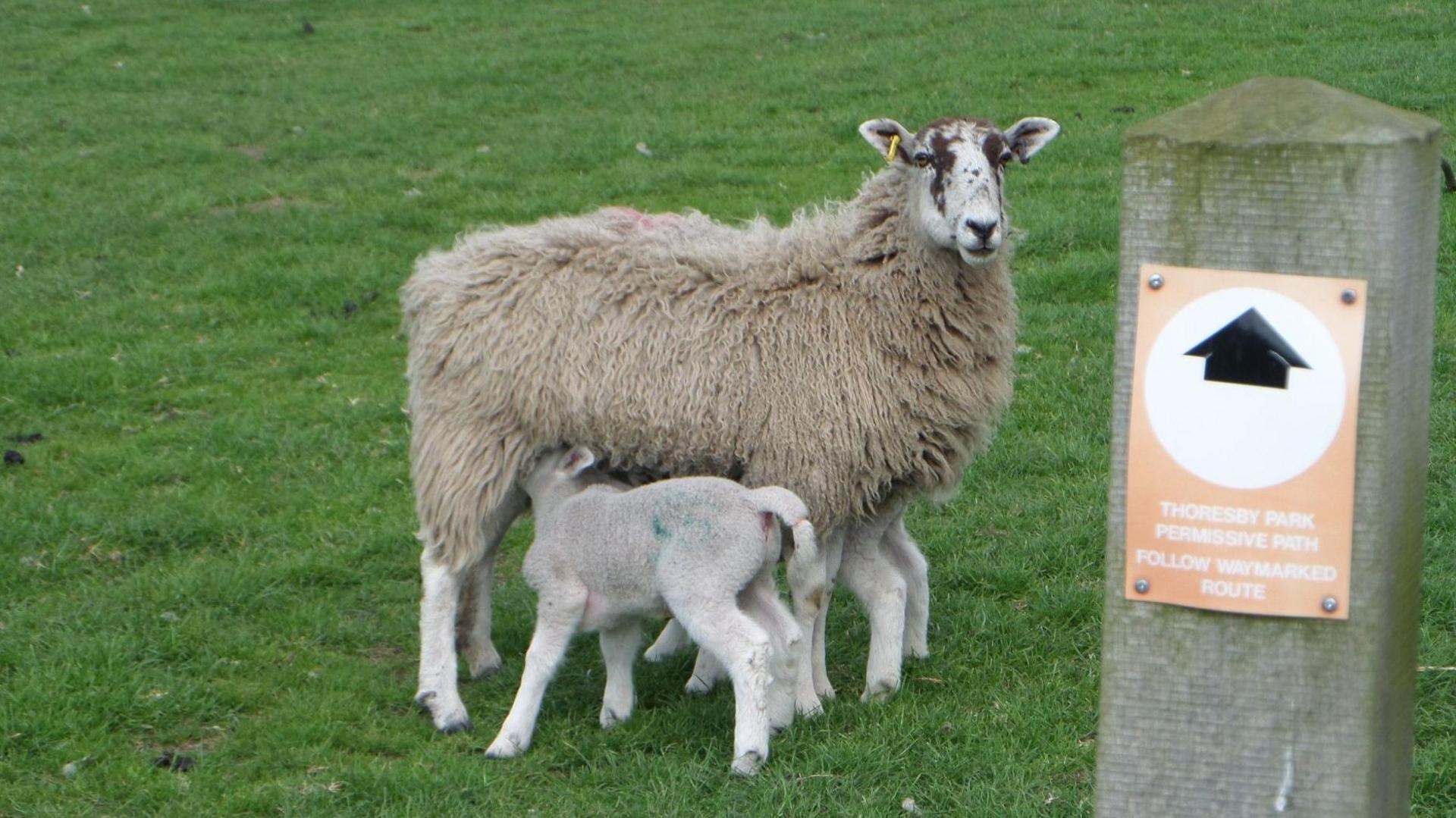
In the rolling hills and picturesque countryside of Wales, dog walking is a cherished pastime for many. However, as lambing season looms, authorities are ramping up enforcement against irresponsible pet owners whose dogs worry livestock. Recent incidents have led to a surge in fines, with penalties reaching up to £5,000 under UK-wide laws. This crackdown, supported by farming unions, aims to protect vulnerable farm animals and safeguard rural economies.
Background on Livestock Worrying in Wales
Livestock worrying—where dogs chase, bark at, or attack farm animals—poses a significant threat to Welsh agriculture. According to the National Farmers' Union Wales (NFU Cymru), incidents have risen by 20% in the past year, mirroring trends seen in other parts of Great Britain like Nottinghamshire. The issue peaks during lambing, when ewes are particularly susceptible to stress-induced miscarriages or exhaustion.
Welsh councils, including those in Powys and Gwynedd, have echoed pleas from their English counterparts by distributing letters to parish and community councils. These urge dog walkers to keep pets on short leads near fields with sheep. 'Even friendly dogs can be triggered by instinct,' notes a recent advisory from Natural Resources Wales (NRW). The countryside code in Wales emphasizes responsible access, but violations are now met with swift action.
Recent Incidents Sparking Concern
High-profile cases have fueled the push for stricter measures. In early 2025, a farmer near Brecon Beacons reported a spaniel mauling a lamb, leaving several ewes in distress. The dog's owners, walking on a public footpath, claimed it was 'well-behaved,' but police investigations led to a £1,500 fine. Similar to a 2024 Nottinghamshire case where a lost dog killed livestock, this incident highlighted the 'it won't happen to my dog' mindset.
Further north in Snowdonia, 12 sheep were injured in a single attack last summer, costing the farmer thousands in veterinary bills. Dyfed-Powys Police, responsible for much of rural Wales, has since increased patrols. Data from the force shows over 50 reported worrying incidents in 2025 alone, up from 35 the previous year.
Laws and Fines: What Dog Walkers Need to Know
The cornerstone of protection is the Dogs (Protection of Livestock) Act 1953, which applies across Great Britain. In Wales, this is bolstered by the recent Dogs (Protection of Livestock) (Amendment) Bill, which received Royal Assent in 2024. This legislation introduces groundbreaking tools: police can now collect DNA samples or mouth impressions from suspect dogs, making prosecutions more robust.
Fines for offenders start at £500 for minor worrying but can escalate to £5,000 for serious cases involving injury or death. Courts may also order compensation for farmers' losses, including seized dogs' detention costs. Unlimited fines are possible in magistrates' courts, and repeat offenders risk dog disqualification.
Enforcement in Action
North Wales Police has piloted DNA swabbing in livestock cases, leading to convictions in 80% of tested incidents. A woman in Ceredigion was fined £2,000 in March 2025 after her terriers killed five lambs—echoing an English case where 15 sheep died. These examples underscore a zero-tolerance approach, with fines not just punitive but aimed at deterrence.
Local authorities like Carmarthenshire County Council have partnered with NFU Cymru to run awareness campaigns. 'We're not against dogs in the countryside,' says NFU Wales chair, Dylan Morgan. 'But uncontrolled pets devastate livelihoods. A single attack can wipe out a small flock's profits.'
Farmer Perspectives and Economic Impact
Welsh farmers, who manage over 8 million sheep—the highest density in the UK—bear the brunt. Oliver-like figures, such as Pembrokeshire sheep farmer Rhys Jenkins, 42, shared his ordeal: 'In 2024, a chasing incident caused three ewes to abort. It wasn't malice, but the damage was real. We lose sleep over lambing; we can't afford dog-related chaos.'
The economic toll is stark. NFU estimates livestock worrying costs UK farmers £2.5 million annually, with Wales contributing significantly due to its pastoral landscape. Stressed animals yield poorer meat quality, and vet bills add up. 'It's a step forward with the new bill,' Jenkins adds, 'but education is key. Walkers must respect signs and leads.'
Broader Rural Implications
Beyond finances, worrying erodes community ties. Tensions between walkers and farmers have simmered, with some footpaths seeing disputes. Yet, initiatives like the Welsh Government's 'Respect the Wild' campaign promote harmony, offering maps of dog-friendly routes away from livestock.
Practical Advice for Responsible Dog Walking
To avoid fines and ensure safe outings, follow these tips:
- Keep dogs on a lead (no longer than 2 meters) near livestock fields, especially March to June.
- Obey 'Dogs on Lead' signs and report lost pets immediately.
- Train your dog for rural encounters; recall commands are vital.
- If your dog worries livestock, stop immediately, secure it, and notify the farmer or police.
- Consider insurance covering livestock damage—many policies now include it.
NRW advises sticking to paths and cleaning up waste to prevent disease spread. Apps like 'Walkiees' provide real-time updates on livestock hotspots in Wales.
Looking Ahead: A Balanced Countryside
As Wales balances tourism and farming, the fine surge signals a cultural shift toward accountability. Supported by unions and police, these measures protect an industry vital to Welsh heritage. Dog owners can still revel in the nation's trails—responsibly. For more, visit NFU Cymru or local council sites. Stay informed, walk safely, and help preserve Wales' rural idyll.
(Word count: 782)