2026 Winter Olympics Schedule: Milan-Cortina Guide
The 2026 Winter Olympics in Milan-Cortina have officially launched with a spectacular opening ceremony, setting the stage for two weeks of thrilling competition. Hosted across the stunning Italian landscapes from the urban buzz of Milan to the snowy peaks of Cortina d'Ampezzo, these Games promise a blend of tradition, innovation, and high-stakes athleticism. As a professional journalist for Everythiiing.com, I've compiled this comprehensive schedule guide to help UK fans track Team GB's journey, key events, and medal opportunities. Whether you're tuning in from London or the Scottish Highlands, here's everything you need to know about the Olympic timetable.
Opening Ceremony Highlights: A Star-Studded Start
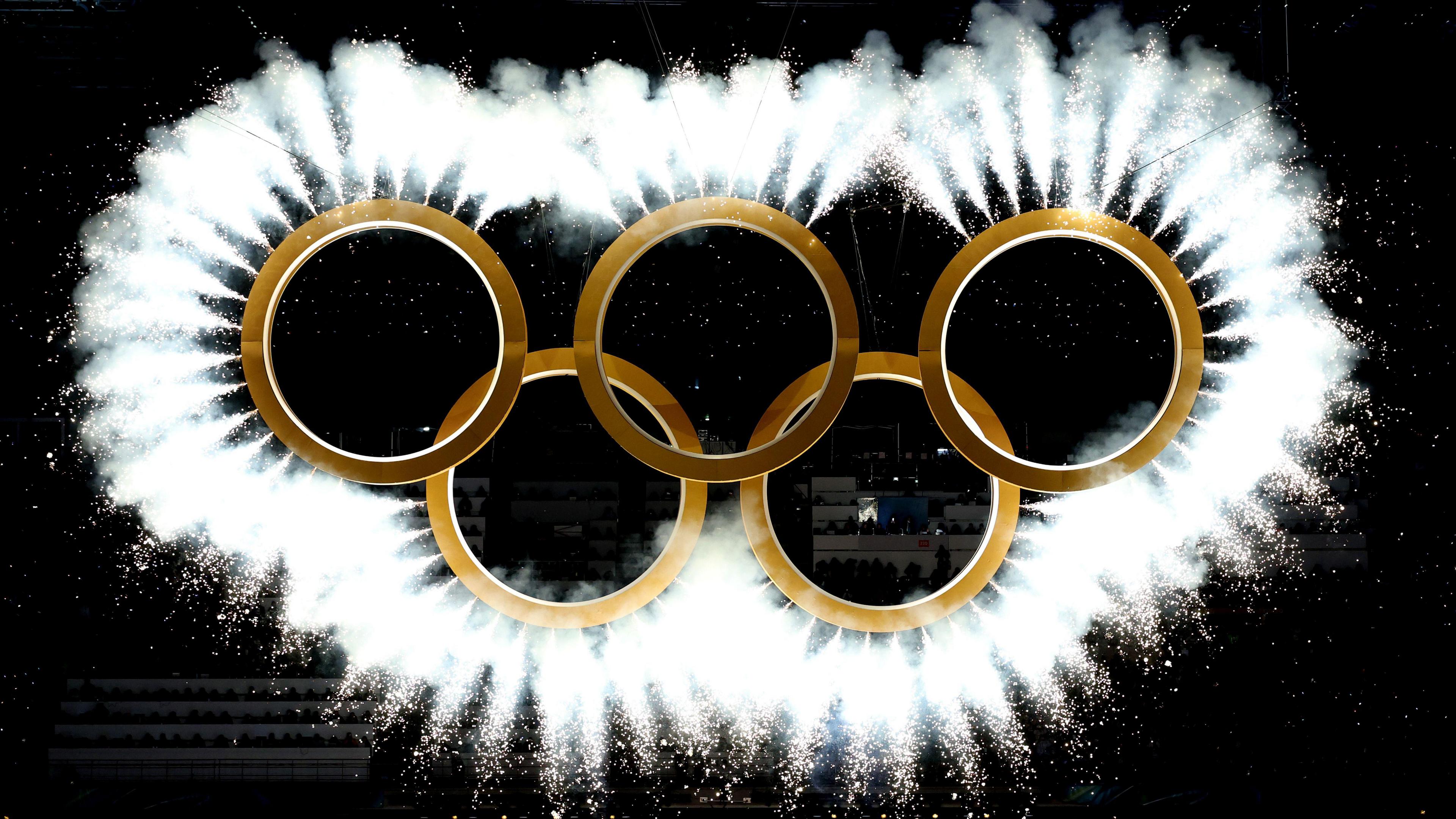
The Games ignited on February 6, 2026, with a multi-venue opening ceremony that captivated global audiences. Milan's iconic San Siro stadium served as the heart of the action, while segments unfolded in Cortina, Livigno, and Predazzo. Creative director Marco Balich wove a narrative around 'armonia'—union and connection—celebrating Italian beauty, fantasia, and even paying tribute to the late fashion icon Giorgio Armani.
American superstar Mariah Carey dazzled in a sparkling white gown, delivering a soulful rendition of 'Volare' that had crowds swaying. Italian tenor Andrea Bocelli followed with a powerful 'Nessun Dorma' as the Olympic torch entered the stadium, lighting cauldrons in both Milan and Cortina. The athlete parade was electric, with Team Italy receiving thunderous applause as the final entrants. Great Britain's flagbearers, figure skater Lilah Fear in Milan and bobsledder Brad Hall in Cortina, led a proud contingent of 40 athletes.
Notable moments included warm cheers for Ukrainian athletes amid global tensions, and a mixed reception for Team USA—boos rang out when US Vice-President JD Vance appeared on screen. IOC President Kirsty Coventry, the first woman to declare the Olympics open, emphasized unity: 'This is the magic of the Olympic Games: inspiring us all to be the best that we can be, together.' Events like curling and figure skating were already underway, building anticipation for the full schedule.
Overall Olympic Timeline: February 6-22, 2026
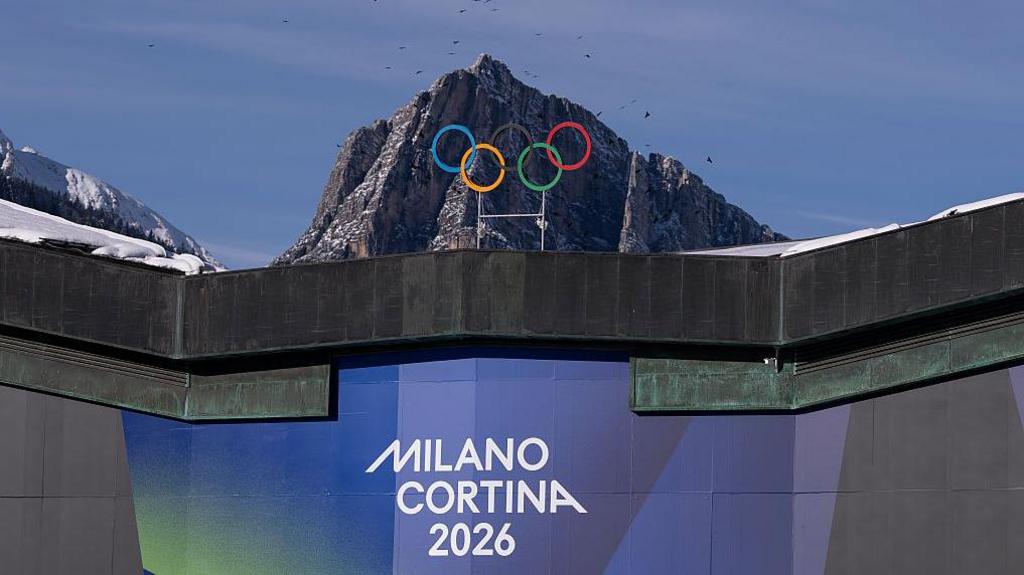
The Milan-Cortina Games span 17 days, featuring 116 medal events across seven sports and 15 disciplines. Competition venues are spread across Lombardy and Veneto regions, showcasing Italy's diverse terrain—from high-altitude skiing in the Dolomites to ice rinks in urban Milan. The closing ceremony on February 22 will wrap up with fireworks over Cortina.
Broadcasting in the UK via BBC and Eurosport, coverage starts early each day. Time zones mean some events kick off in the wee hours for British viewers, but highlights and replays ensure no one misses out. Team GB enters with realistic medal hopes in sliding sports, freestyle skiing, and short track speed skating, aiming to surpass their 2018 PyeongChang haul of five medals.
Key Dates and First Medals
Saturday, February 7, marks the first gold medal day, with alpine skiing (men's downhill) and biathlon (women's 7.5km sprint) leading the charge. Expect edge-of-your-seat action as favorites like Norway's Aleksander Aamodt Kilde vie for top spots. By mid-Games, the schedule intensifies: ice hockey prelims run parallel to figure skating pairs on February 8-9.
Team GB Focus: Must-Watch Events
British fans, get ready for these highlights. On February 10, the GB curling team—fresh off a clean sweep in recent qualifiers—faces Canada in mixed doubles. Look for Eve Muirhead's squad in the women's event from February 15.
Sliding sports shine for Team GB: Brad Hall's men's bobsleigh four runs February 14-15, while women's monobob with Montell Douglas competes February 18-19. In freestyle skiing, Kirsty Munro targets big air gold on February 12. Short track speed skaters like Elise Christie aim for redemption in the 500m on February 13. Figure skating fans won't want to miss Lilah Fear and Lewis Gibson's ice dance routine on February 16-17.
Snowboard cross and skeleton provide adrenaline rushes, with GB's Dom Parsons defending his skeleton title from February 13. Cross-country skiing rounds out the schedule, with endurance races peaking on February 20-21.
Day-by-Day Schedule Breakdown
Days 1-5: Early Momentum (February 6-10)
Post-opening, focus shifts to preliminaries. February 7: First medals in skiing and biathlon. February 8: Luge singles and speed skating sprints. February 9: Freestyle skiing moguls and women's ice hockey opener. February 10: Curling heats up, alongside men's luge team relay.
Days 6-10: Peak Action (February 11-15)
Mid-Games frenzy includes alpine combined on February 11, snowboard slopestyle February 12, and biathlon relays February 13. February 14 brings ski jumping and pairs figure skating, while February 15 features women's bobsleigh and slalom skiing.
Days 11-15: Closing Thrills (February 16-20)
Figure skating singles dominate February 16-18, with ice dance and free programs. February 17: Men's ice hockey semifinals. February 18-19: Nordic combined and mass start speed skating. February 20: Cross-country relays and ski cross finals.
Final Days: Glory and Farewell (February 21-22)
February 21 wraps medals in biathlon pursuits and snowboard halfpipe. The closing ceremony on February 22 celebrates achievements, with a handover to the 2030 hosts.
Medal Predictions and Viewing Tips
Norway leads pre-Games favorites with their skiing dominance, but hosts Italy eye home-soil golds in snowboarding. Team GB could snag 8-10 medals, per analysts, bolstered by funding boosts. For UK viewers, set reminders for BBC iPlayer streams—events like the 4x6km mixed relay biathlon on February 5 (pre-Games) set the tone.
Logistically, the multi-venue setup echoes the ceremony's success, with sustainable transport linking sites. Despite early weather concerns, clear skies prevailed for the opener. As Giovanni Malago, the organizing committee president, noted, 'I have never been as proud to be Italian as I am tonight.'
Stay tuned to Everythiiing.com for live updates, results, and exclusive interviews. The 2026 Winter Olympics aren't just sport—they're a testament to human resilience and global unity.