ITV's In-Game Ads Ignite Fury in Six Nations Opener
In a move that's shaken the foundations of traditional rugby viewing, ITV introduced in-game adverts during the Six Nations tournament for the first time, sparking widespread backlash from fans and players alike. The debut came during France's comfortable victory over Ireland at the Stade de France on February 6, 2026, where a simple knock-on by Ireland's Cian Prendergast led to an unprecedented broadcasting twist.
The Moment That Changed Everything
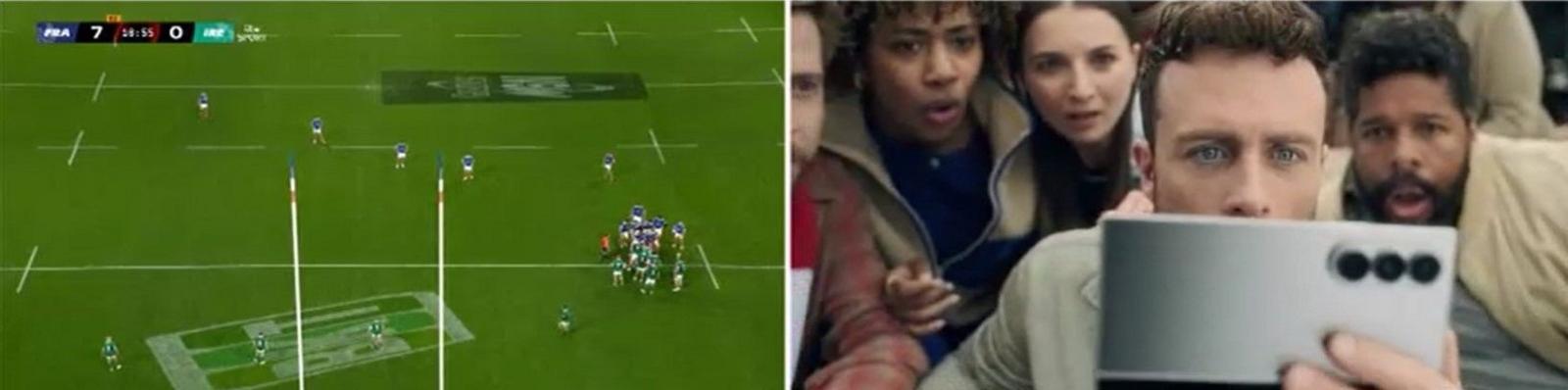
As the forward packs prepared for a scrum in the 17th minute, ITV's coverage shifted dramatically. The screen split: one side showed the tense build-up at the set-piece, while the other ran a 20-second Samsung mobile phone advert featuring friends enjoying an ironically ad-free rugby match. Orchestral strings replaced the commentary, creating a surreal pause in the action. By the time the ad ended, referee Karl Dickson was still aligning the front rows—no scrum had even begun.
This wasn't just a brief interruption; it marked the first mid-match incursion of commercials into UK sports broadcasting. While common in the US—think sponsored timeouts in American football—it's a stark departure for rugby union, a sport celebrated for its continuous flow and dramatic tension.
Fan Reactions Pour In
Social media erupted almost immediately. Viewers branded the ads "intrusive," "disruptive," and unapologetically "American." One Twitter user quipped, "Nothing says British rugby like a mid-scrum Samsung pitch." Others lamented the loss of the scrum's raw theatre—the grunts, the referee's banter, the subtle mind games—all muted by marketing.
The second-half repeat, featuring a Virgin Atlantic spot, only fueled the fire. Hashtags like #NoAdsInRugby and #SixNationsBlackout trended across platforms, with over 1,300 comments flooding BBC Sport's coverage page. For many, it felt like a betrayal of the sport's integrity, especially on free-to-air TV, which has long been a cornerstone of accessible rugby in the UK.
Player Perspectives: A Loss of Rugby's Soul?
England hooker Jamie George voiced his concerns just hours before the match, admitting he's "not a massive fan" of the concept. Speaking on BBC's Rugby Union Weekly, George highlighted the unique drama of scrummaging: "There's so much stuff that comes with it... you can pick up a bit of chat on the ref's mic. I think you are missing a trick by not glorifying what a brilliant spectacle scrummaging can be."
George's words resonate with purists who see the scrum as rugby's beating heart—a blend of power, strategy, and unpredictability. ITV's ads, targeted specifically at these pauses, risk diluting that essence, turning a pivotal moment into a commercial break.
ITV's Defense: Funding Free Access
ITV, however, stands firm. The broadcaster has invested heavily in rugby, securing rights to the upcoming Nations Championship alongside its Rugby World Cup coverage. This ensures every competitive England match remains free-to-air for years to come—a boon for fans without subscriptions.
In a pre-tournament statement, ITV explained that "advertising is a key means of compensating for this spending." Six Nations CEO Tom Harrison echoed this, telling SportsPro that such "commercial enhancements" were crucial to keeping the tournament on free platforms. "It may be a little bit uncomfortable for viewers," Harrison conceded, "but it's the difference between free-to-air or paywalling the sport."
Viewership figures back ITV's gamble: the France-Ireland clash peaked at 3.8 million viewers, up from last year's equivalent. It's a strong start for ITV Sport, but at what cost to fan loyalty?
Broader Implications for UK Sports Broadcasting
This experiment isn't isolated. With rising rights fees and shifting viewer habits, free-to-air networks like ITV and BBC face mounting pressure. The four-year deal they inked last year with the Six Nations—splitting coverage—aims to broaden access, but it comes with strings attached: innovative ad formats to offset costs.
Critics argue it's a slippery slope. If scrums become ad zones, what next? Lineouts? Conversions? Rugby's global appeal, especially in the UK where it's more than a sport—it's a cultural ritual—could suffer if the viewing experience feels commodified.
Yet, proponents point to the US model: seamless integration of ads without halting the game's momentum. ITV promises refined execution in future matches, perhaps with shorter spots or subtler placements. As the Six Nations progresses—England's opener against Scotland looms—the real test will be balancing revenue with reverence for the game.
Looking Ahead: Can Rugby Adapt?
For now, the backlash underscores a tension between tradition and modernity. Rugby union thrives on its authenticity, from the mud-caked pitches to the post-match camaraderie. ITV's ads challenge that, but they also ensure the Six Nations remains a national event, not a premium perk.
As France's dominant win (final score not yet detailed in early reports) sets the tone for the championship, one thing's clear: this Six Nations will be remembered not just for tries and tackles, but for the ad that paused the scrum. Will fans adapt, or demand a rollback? The tournament's drama has only just begun.
In the end, rugby's spirit endures. But in an era of streaming wars and ad fatigue, preserving the uninterrupted thrill might require more than a strong scrum—it demands a united front from broadcasters, unions, and fans alike.