Liu Shaoang Misses 1000m Final in Dramatic Olympic Collision
In the electrifying world of short-track speed skating at the 2026 Winter Olympics in Milano Cortina, Liu Shaoang's campaign for gold took a tragic turn. The 26-year-old, who swapped Hungarian colors for China in a controversial move, found himself entangled in a high-stakes collision during the men's 1000m semi-final on Thursday evening. What started as a promising run ended in heartbreak, propelling him to the B final for places 6-10 rather than the medal showdown.
The Race That Shook the Arena
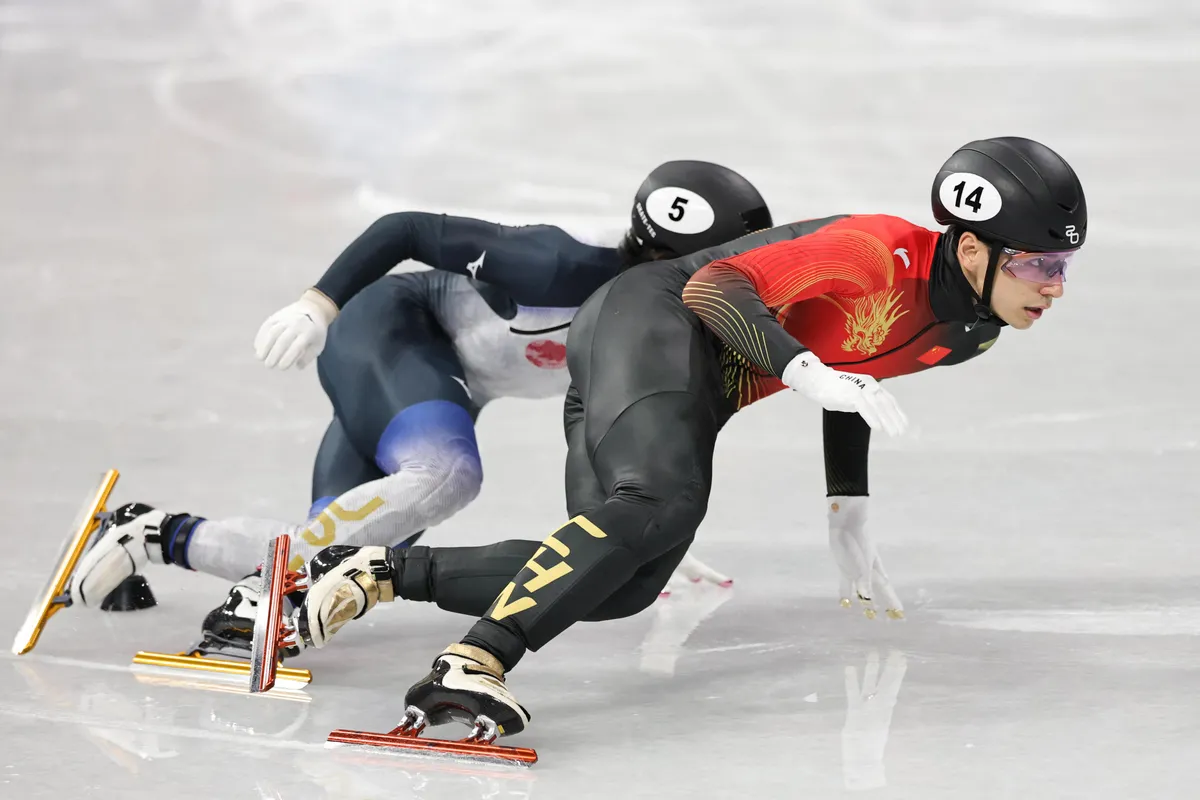
The semi-final was a powder keg of speed and strategy, with skaters pushing the limits on the unforgiving 111.12-meter oval. Liu Shaoang, drawing from his experience as a two-time Olympic medalist, started strong in his heat. Positioned aggressively, he navigated the early laps with precision, his blades slicing through the ice like a knife.
But chaos erupted midway through the fourth lap. As Liu accelerated to overtake a Canadian rival, their skates clipped in a split-second mishap. The Canadian tumbled out of contention, but Liu, though staying upright, lost crucial momentum. He crossed the line in fourth place, just shy of the top-two spots needed for the A final. The crowd's roar turned to gasps, encapsulating the razor-thin margins that define short-track racing.
Officials reviewed the incident via video replay, but no penalties were issued—a decision that sparked debates among fans and pundits. Liu's coach praised his resilience, noting, "He fought hard, but the ice doesn't forgive errors." This setback means the athlete, once a beacon for Hungarian short track, will now battle for a mid-pack finish in the consolation race, far from the podium glory.
From Budapest to Beijing: Liu Shaoang's Unique Journey
Liu Shaoang's story is as compelling as any Olympic tale. Born in Budapest in 1998 to Chinese immigrant parents, he and his twin brother Liu Shaolin rose through Hungary's robust speed skating program. The duo became national heroes, clinching multiple European and World Championship medals. At the 2018 PyeongChang Olympics, they powered Hungary to historic success, with Shaolin earning gold in the 1500m and both brothers contributing to the mixed team relay bronze.
However, in a twist that divided loyalties, the brothers switched allegiance to China ahead of the 2022 Beijing Games, citing deeper roots and better support. The move ignited controversy—Hungarian fans felt betrayed, while Chinese media hailed it as a homecoming. Shaoang justified the decision: "My heritage called me back; this is where my family's story began." In Beijing, he added a silver in the 1000m, proving his mettle under immense pressure.
Now at 2026, representing China, Shaoang carries the weight of expectations. His technical prowess—marked by explosive starts and tactical overtakes—has made him a favorite in the 500m and 1500m events. Yet, the 1000m has been his Achilles' heel, with past collisions haunting his record. Analysts point to his aggressive style as both a strength and a vulnerability in the contact-heavy sport.
Family Ties and Rivalries
The Liu brothers' dynamic adds emotional depth. While Shaoang faltered in the 1000m, Shaolin advanced in his own events, keeping China's medal hopes alive. Their sibling rivalry, forged on Hungarian ice rinks, now fuels national pride. Off the ice, they've spoken of balancing competition with brotherhood, a narrative that resonates globally.
In the broader context, this incident highlights short track's unpredictability. Unlike long-track skating's solitary grace, short track thrives on chaos—crashes, disqualifications, and last-second surges. The International Skating Union has tweaked rules post-2022 to reduce collisions, but Thursday's drama shows the sport's raw edge remains.
Implications for China and the Sport
For China, hosting the 2022 Games elevated short track to a national obsession, and the Lius embody that success. With Shaoang's B final looming, attention shifts to team relays where his experience could shine. Experts predict China will dominate the medals tally, building on their 2022 haul of three golds.
Hungary, meanwhile, feels the void. Younger talents like Moon Wonjun, mentioned in pre-race buzz, struggled in qualifiers, underscoring the program's reliance on the Lius. The federation has invested in grassroots development, but rebuilding will take time.
Looking ahead, Shaoang's Olympic journey isn't over. The 1500m and relays offer redemption chances. At 26, he's in his prime, with eyes on the 2030 Vancouver Games. His story—immigrant son turned international star—transcends sport, inspiring themes of identity and perseverance.
Broader Olympic Highlights
The 2026 Milano Cortina Games have already delivered thrills. From Norway's ski jumping dominance to U.S. freestyle prowess, the competition blends tradition with innovation. Short track, however, remains the pulse-pounder, where a single misstep can rewrite histories.
Fans can follow Liu's B final on Friday, where he'll aim to salvage pride. Streaming platforms and Origo-like outlets provide live coverage, keeping global audiences hooked.
Why Liu Shaoang Matters
Beyond the ice, Shaoang represents globalization in sports. His nationality switch mirrors trends in athletics, from basketball to soccer, where heritage pulls athletes across borders. Critics decry it as opportunistic, but supporters see cultural reclamation.
In analysis, data from past Olympics shows collision rates at 15% in semi-finals, often deciding fates. Shaoang's speed metrics—peaking at 50 km/h—rank him elite, but consistency is key. Post-race, he reflected: "It's part of the game; I'll bounce back stronger."
As the Games progress, Liu Shaoang's resilience will be tested. Whether clinching a relay medal or mentoring the next generation, his legacy endures. For now, the short-track world mourns a missed final but anticipates more drama from this skating sensation.
(Word count: 752)