PCB and ICC Officials Convene in Lahore Amid T20 World Cup Boycott Fears
In a development that's sending shockwaves through the cricketing world, officials from the Pakistan Cricket Board (PCB) and the International Cricket Council (ICC) are set to hold crucial talks in Lahore this Sunday. The agenda? Pakistan's government-backed threat to boycott their high-profile T20 World Cup match against India, scheduled for February 15. This comes hot on the heels of Bangladesh's dramatic withdrawal from the tournament, highlighting escalating geopolitical tensions that are threatening to upend one of cricket's most anticipated events.
Background: From Bangladesh's Exit to Pakistan's Stand
The T20 World Cup kicked off on Saturday with Pakistan securing a nervy opening victory over the Netherlands, but the celebrations were short-lived. Just days earlier, the Bangladesh Cricket Board (BCB) announced their pullout after the ICC denied their plea to relocate matches away from India amid rising political frictions in the region. BCB President Ameenul Islam cited safety concerns, a move that has now rippled across South Asian cricket.
Pakistan's response was swift and resolute. Prime Minister Shehbaz Sharif declared that the national team would boycott the India fixture in a show of solidarity with Bangladesh. 'We stand with our brothers,' Sharif stated, emphasizing the decision's roots in broader diplomatic strains. This isn't just about one match; it's a powder keg in the storied India-Pakistan rivalry, where cricket has long been a battleground for national pride and politics.
The upcoming Lahore meeting will see PCB Chairman Mohsin Naqvi hosting ICC Deputy Chair Imran Khawaja, Executive Committee member Mubashar Usmani, and BCB's Ameenul Islam. Sources indicate the discussions will focus on the feasibility of the boycott, potential forfeits, and the broader ramifications for the tournament's structure.
Pakistan's Strong Start Despite the Storm
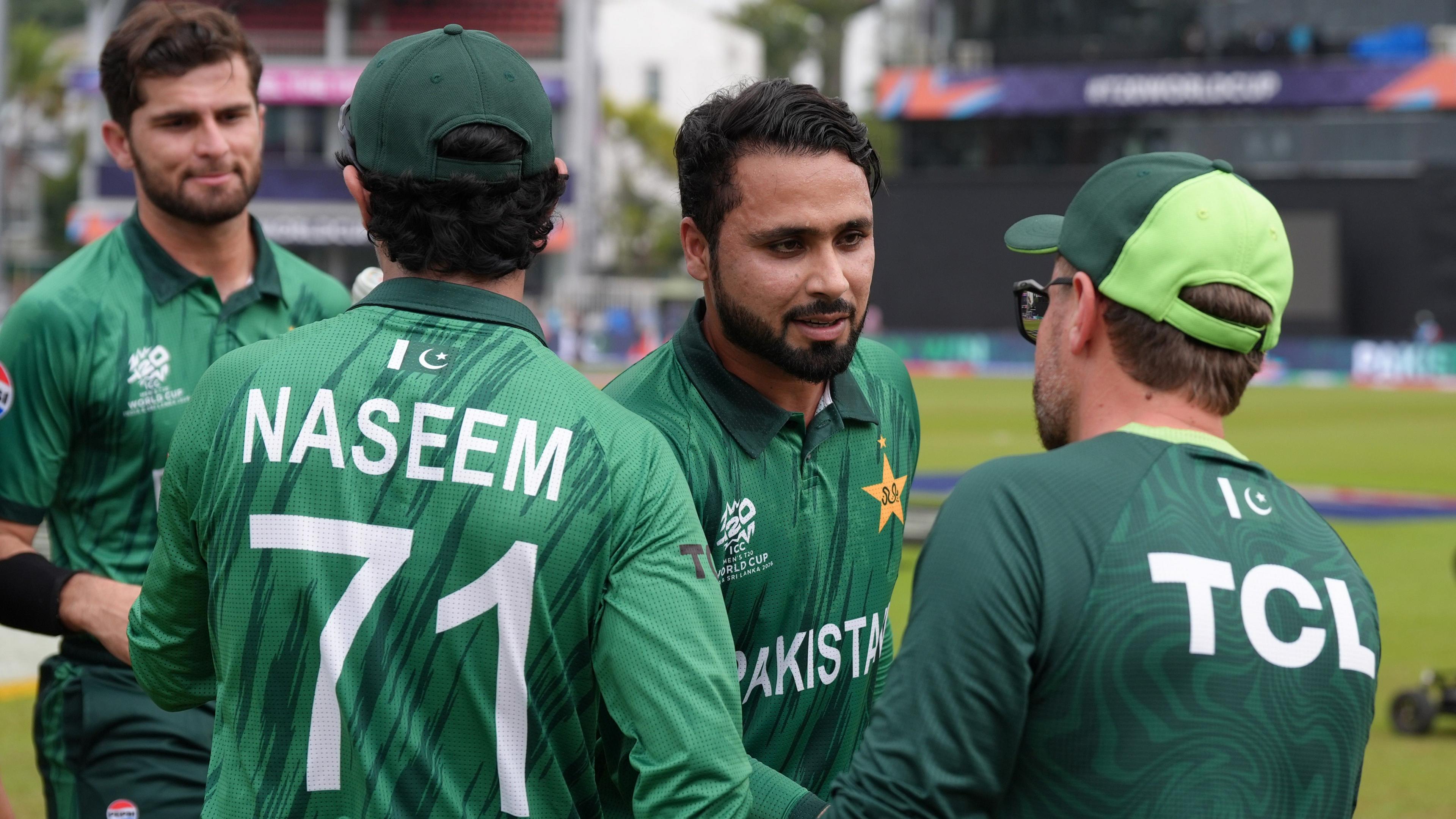
Amid the chaos, Pakistan's players showed resilience on the field. Their opening game win against the Netherlands was described as 'jittery' by analysts, with the team overcoming early wobbles to post a victory that keeps their Super 12 hopes alive. Captain Babar Azam praised the squad's focus, but off-field distractions are mounting. Fans and experts alike are wondering if the boycott threat will derail their campaign before it truly begins.
Implications for the T20 World Cup and Beyond
Should Pakistan proceed with the boycott, the consequences could be seismic. Forfeiting the match would hand India an automatic win and crucial points in the group stage, potentially altering the path to the semifinals. But the fallout extends far beyond the scoreboard. The India-Pakistan encounter is cricket's most lucrative fixture, drawing massive global viewership and revenue. Disrupting it could spark disputes over ICC's broadcasting rights, which are already under scrutiny as current TV deals expire after the 2027 World Cup.
Legal experts predict a cascade of challenges. The ICC's stance on forfeits is firm—Pakistan would receive zero points, and any revenue sharing tied to the match could be jeopardized. Moreover, continued uncertainty might deter broadcasters from renewing deals, threatening the financial stability of international cricket. Sri Lanka, another regional powerhouse, has already urged Pakistan to reconsider, warning of a 'domino effect' on Asian cricket unity.
From an SEO perspective for fans searching 'Pakistan cricket T20 World Cup boycott,' this saga underscores how external politics increasingly intersects with sport. The ICC, keen to maintain neutrality, has confirmed its position on forfeits but is pushing for dialogue to salvage the fixture. Relocating the match or playing it in a neutral venue like the UAE has been floated, though no decisions have been made.
Geopolitical Tensions: A Deeper Dive
The roots of this crisis lie in longstanding India-Pakistan relations, exacerbated by recent events in Bangladesh. Political instability there has fueled calls for boycotts of events hosted in India, with cricket caught in the crossfire. For Pakistan, supporting Bangladesh isn't just diplomatic—it's a statement against perceived biases in international sporting governance. Mohsin Naqvi has been vocal, arguing that the ICC must prioritize player safety over commercial interests.
Yet, the human element can't be ignored. Pakistani players, many of whom share IPL ties with Indian counterparts, face a dilemma. Star all-rounder Shaheen Afridi echoed the team's commitment to the nation but hinted at the emotional toll. On the Indian side, the Board of Control for Cricket in India (BCCI) has remained tight-lipped, focusing instead on their preparations.
What Happens Next? Predictions and Scenarios
As the Lahore talks unfold, several outcomes loom. In the best case, a compromise could see the match rescheduled or moved, preserving the tournament's integrity. Worst case? A full boycott leads to legal battles and fan backlash, potentially boycotting future Indo-Pak series.
Analysts like those at BBC Sport predict a tense resolution, with the ICC leveraging its authority to mediate. For now, the T20 World Cup continues, with England surviving a thriller against Nepal and other nations vying for glory. But the shadow of Lahore hangs over it all.
Pakistan's journey in the T20 World Cup was meant to be about redemption after recent inconsistencies. With this boycott looming, it's become a test of resilience on and off the pitch. Cricket fans worldwide, from Lahore to London, are glued to updates—will solidarity trump sport, or can diplomacy score the winning run?
In the wider cricketing calendar, this could prompt reforms. Calls for a more apolitical ICC are growing, especially as the sport globalizes. As searches for 'T20 World Cup news' spike, one thing's clear: this isn't just a game anymore.

