In the high-stakes world of professional rugby, few names carry as much weight as Ronan O'Gara. The Irish rugby icon, celebrated for his fly-half prowess during a glittering career with Munster and Ireland, has once again made headlines—not for on-field heroics, but for a touchline tantrum that has extended his coaching ban. As the Guinness Six Nations kicks into gear, O'Gara's absence from La Rochelle's dugout adds intrigue to an already electric tournament season.
The Incident That Sparked the Ban
The drama unfolded during a chaotic Top 14 encounter in December, where La Rochelle suffered a 53-33 defeat to Pau. Just 35 seconds into the match—the fastest red card in league history—referee Jeremy Rozier dismissed La Rochelle's fly-half Antoine Hastoy for a high tackle. Enraged, O'Gara stormed onto the pitch to protest the decision, a move that escalated tensions. Later, around the 60-minute mark, the official overheard O'Gara's off-field remarks criticizing his authority, leading to the coach being ejected to the stands.
A disciplinary panel wasted no time, finding O'Gara guilty of 'acting against a match official' and 'disrespecting the authority of a match official.' The initial punishment was a two-week suspension coupled with a €3,000 fine, a stern reminder of rugby's zero-tolerance stance on referee interactions. For a coach known for his passion—often bordering on intensity—this incident highlighted the fine line between fervor and misconduct in the modern game.
Appeal Backfires: Ban Extended to Four Weeks
Hoping to mitigate the damage, La Rochelle lodged an appeal with the Fédération Française de Rugby (FFR) appeals commission, seeking a reduction in the ban. Instead, the commission not only upheld the original sanction but extended it to four weeks. Having already served the initial two weeks, O'Gara now faces enforced exile from the touchline for his team's crucial upcoming fixtures against Montpellier and Castres. His return is slated for March 21, ironically against Pau in a rematch that could reignite old flames.
This extension raises questions about the FFR's approach to disciplinary matters. While protecting referees is paramount in an era of increasing scrutiny on player safety and officiating standards, some argue it stifles the passionate discourse that defines rugby's coaching sidelines. O'Gara, a two-time Heineken Cup winner with Munster and a key architect of La Rochelle's recent successes—including back-to-back European titles—brings a wealth of experience. His absence could disrupt team momentum at a pivotal stage in the Top 14 campaign.
O'Gara's Pivot to Punditry Amid Six Nations Fever
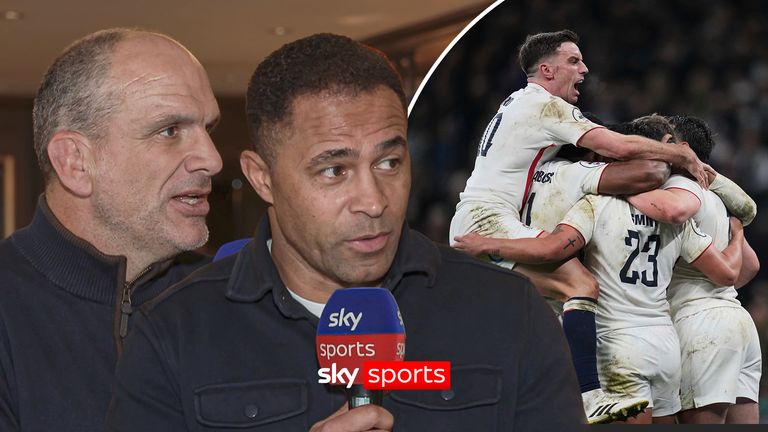
Undeterred by the ban, O'Gara is channeling his energies into media duties, providing expert analysis for ITV and BBC during the Six Nations. He was already in action on Thursday night in Paris, offering insights as France demolished Ireland 36-14 in the tournament opener. Reigning champions France, led by the returning Antoine Dupont—who shook off an 11-month knee injury layoff—racked up a bonus-point victory with tries from Louis Bielle-Biarrey (twice), Matthieu Jalibert, and Charles Ollivon. Ireland managed late consolation scores through Nick Timoney and Michael Milne, but it was a sobering start for Andy Farrell's transitional side, plagued by injuries.
O'Gara's punditry role is a natural fit. His playing career spanned 128 caps for Ireland, including World Cup triumphs and Lions tours, where his tactical acumen and clutch performances earned him legendary status. Post-retirement, he's thrived as La Rochelle's head coach since 2019, blending Irish grit with French flair to secure domestic and European glory. Fans in the UK and beyond tune in for his candid takes, and with the Six Nations running from February 5 to March 14, his voice will be prominent as England prepares to host Wales at Twickenham.
England's Injury Scare Adds to Weekend Drama
Speaking of the England-Wales clash, the Red Rose camp has its own concerns. Star winger Immanuel Feyi-Waboso, England's explosive carrier often likened to Jason Robinson, withdrew from Thursday's training with a leg issue. The 23-year-old, who scored seven tries in 13 Tests last year, missed the final minute of the session at Bagshot. Defence coach Richard Wigglesworth downplayed the scare, noting it was non-specific soreness, but medics are assessing further. If Feyi-Waboso sits out Saturday's opener, veteran Elliot Daly is poised to step in on the right wing—a blow to England's attack but a testament to their depth.
Feyi-Waboso's form since shoulder surgery—starting all four autumn internationals and scoring against Fiji and Argentina—has made him indispensable. His potential absence underscores the physical toll of the Six Nations, where every player counts in the battle for supremacy.
Broader Implications for O'Gara and Rugby
Beyond the immediate fallout, O'Gara's ban invites reflection on coaching conduct in rugby. In an age of VAR and enhanced officiating, tempers can flare, but incidents like this reinforce the need for emotional control. For La Rochelle, sitting mid-table in the Top 14, O'Gara's guidance from afar will test the squad's resilience. Assistant coaches will shoulder the load against Montpellier's attacking prowess and Castres' defensive solidity, but O'Gara's remote input via video could prove invaluable.
Looking ahead, O'Gara's dual role—banned coach by day, pundit by night—positions him uniquely to influence the narrative around the Six Nations. His analysis of Ireland's struggles, France's dominance, and emerging talents like Feyi-Waboso will resonate with UK audiences hungry for insights. As rugby evolves, figures like O'Gara remind us why the sport captivates: its blend of strategy, passion, and unyielding competition.
In summary, Ronan O'Gara's extended ban is a setback, but it won't silence one of rugby's most vocal architects. With the Six Nations underway, expect his commentary to light up screens across Great Britain, bridging the gap between coaching sidelines and broadcast booths.