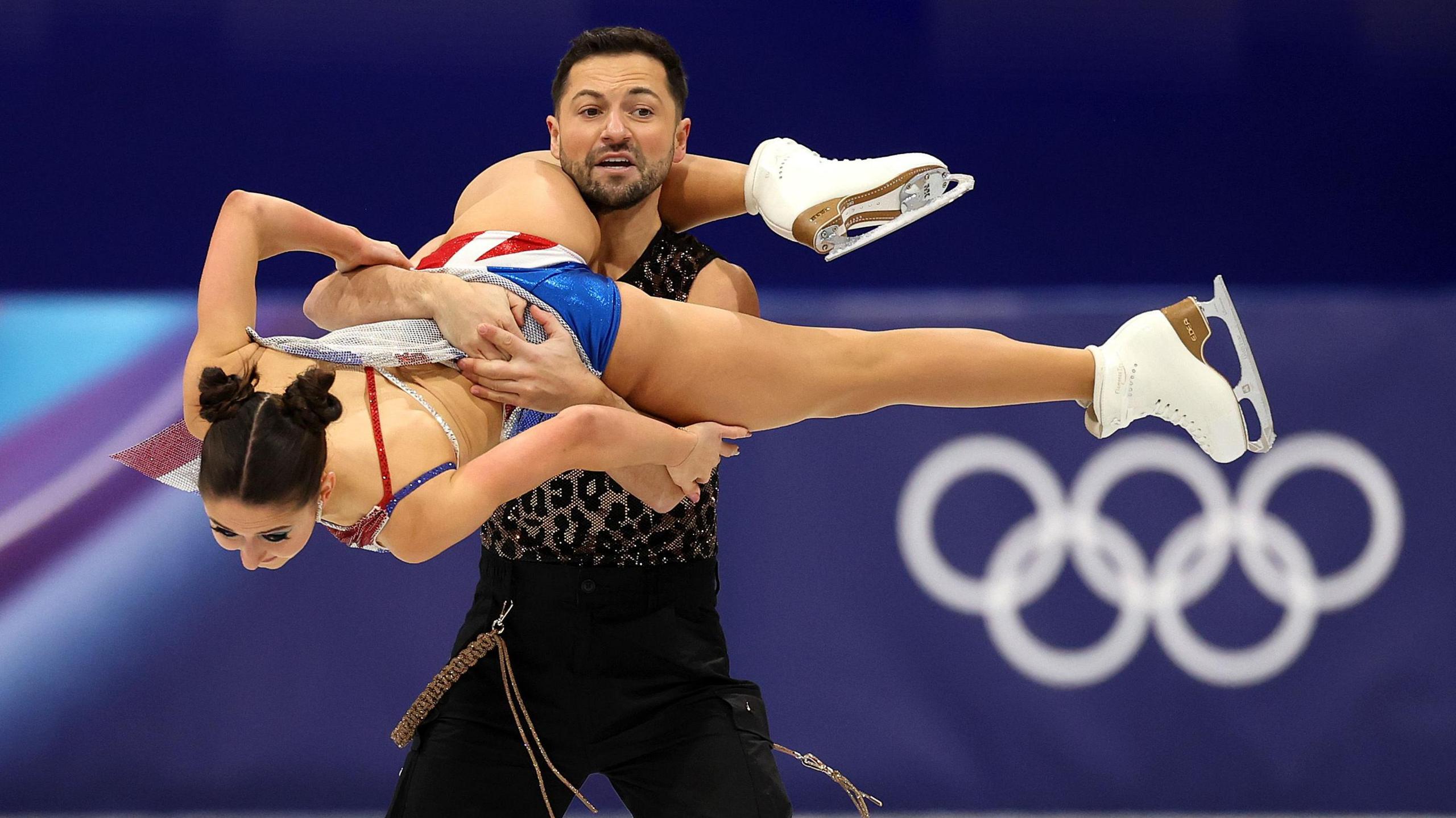
Torvill and Dean: Icons of Ice Dancing Legacy at 2026 Olympics
Jayne Torvill and Christopher Dean remain synonymous with elegance, passion, and unparalleled artistry on the ice. As Britain's most celebrated ice dancing duo, their story transcends generations, captivating audiences from the frozen rinks of Sarajevo in 1984 to the modern spectacle of the 2026 Winter Olympics in Milan-Cortina. With Team GB's current figure skaters, like Lilah Fear and Lewis Gibson, drawing inspiration from the duo's groundbreaking performances, Torvill and Dean's influence is as relevant today as ever. This article delves into their remarkable journey, Olympic triumphs, and lasting impact on British skating.
The Early Days: Forging a Legendary Partnership
Torvill and Dean's partnership began in 1975 in Nottingham, England, under the guidance of coach Betty Callaway. Jayne Torvill, born in 1957, started skating at age 10, while Christopher Dean, born in 1958, took to the ice at 12 to escape a challenging home life. What started as a promising collaboration quickly evolved into a revolutionary force in ice dancing—a discipline often criticized for lacking the athleticism of singles or pairs skating.
By the late 1970s, they were dominating British and European competitions. Their breakthrough came at the 1981 European Championships, where they clinched gold with innovative routines blending ballet, theater, and raw emotion. This set the stage for their assault on the Olympic stage, transforming ice dancing from a technical exercise into a storytelling art form.
Training Rigor and Personal Sacrifices
Behind the glamour lay grueling training sessions—up to eight hours daily on ice and off. Torvill and Dean sacrificed personal lives, with Dean working as a police constable to fund their dreams. Their chemistry was electric, born from mutual respect and shared vision, allowing them to interpret music in ways that felt profoundly human. As Dean once said in interviews, "We didn't just skate; we lived the music." This philosophy would define their legacy.
Olympic Glory: The 1984 Sarajevo Miracle
The pinnacle of Torvill and Dean's career arrived at the 1984 Winter Olympics in Sarajevo. Amid Cold War tensions, their performances offered a beacon of unity. In the short dance to Ravel's Boléro, they earned six perfect 6.0 scores for artistic impression—the first in Olympic history for ice dancing. But it was their free dance, an interpretation of the same haunting piece, that etched them into eternity.
Gliding across the ice in a mesmerizing pas de deux, Torvill in a flowing red dress and Dean in black, they built tension with every crescendo, culminating in a dramatic lift that left 8,000 spectators breathless. Judges awarded them 136 perfect 6.0s out of 144 possible, securing unanimous gold. It was a 6.0 revolution, proving ice dancing's potential for perfection.
They followed with bronzes in 1994 at Lillehammer—their last Olympics—after turning professional post-1984. No British figure skaters have won Olympic medals since, a drought highlighted by Team GB's 2026 team event struggles, where Fear and Gibson's season-best rhythm dance evoked echoes of Torvill and Dean's flair.
The Boléro Phenomenon: Cultural Impact
Boléro wasn't just a routine; it became a cultural phenomenon. Broadcast to millions, it inspired books, documentaries, and even a West End musical. The duo's ability to convey eroticism and drama without a single word revolutionized the sport, influencing judges to prioritize artistry. Today, routines like Fear and Gibson's Spice Girls medley nod to this expressive heritage, blending pop with precision.
Post-Olympic Careers: From Ice to Inspiration
After 1984, Torvill and Dean turned professional, touring with their own ice shows and captivating global audiences. In 1987, they founded the International Ice Dancing Championships, nurturing young talent. Dean ventured into choreography, working on Broadway and coaching stars like Fear and Gibson indirectly through the British skating ecosystem they helped build.
Torvill, knighted as Dame Jayne in 2024, has focused on family and advocacy, while Dean, Sir Christopher since 2024, remains a skating ambassador. Their 2018 return for the PyeongChang Olympics closing ceremony, reprising Boléro at age 60, drew tears and applause, underscoring their timeless appeal.
Challenges and Resilience
Not all was smooth. Post-1984 professionalism bans forced retirements, and injuries plagued their careers. Yet, their resilience mirrors modern skaters like Kristen Spours, who overcame surgery for the 2026 Games. Torvill and Dean's story teaches that perseverance on thin ice yields extraordinary results.
Legacy in the 2026 Olympics: Inspiring Team GB
As the 2026 Milan-Cortina Games unfold, Torvill and Dean's shadow looms large. Team GB's return to the figure skating team event after missing 2018 and 2022 sees them in eighth place after day one, buoyed by Fear and Gibson's 86.85-point rhythm dance—their best of the season. Dressed as Ginger Spice, Fear channeled the duo's theatricality, finishing third in their segment.
However, setbacks like Anastasia Vaipan-Law's fall in pairs and Spours' missed axel underscore the sport's demands. With the U.S. and Japan leading the team event, and favorites like Madison Chock and Evan Bates eyeing ice dance gold, a British podium would end a 32-year wait since Torvill and Dean's 1994 bronze.
The duo's influence extends beyond medals. They advocated for funding that bolstered UK skating, enabling talents like Fear and Gibson to compete at elite levels. As Fear prepares to carry the British flag at the opening ceremony, she embodies the spirit Torvill and Dean ignited: bold, artistic, unbreakable.
Looking Ahead: The Future of British Ice Dancing
Torvill and Dean's era proved Britain could dominate a sport long dominated by Russians and Americans. Their emphasis on narrative skating persists, seen in contemporary routines blending music and emotion. For 2026, if Team GB advances, it could be the long-awaited sequel to Boléro—a new chapter in British excellence.
In a world craving authentic stories, Torvill and Dean remind us why we watch: not just for jumps, but for the human heart on ice. Their legacy ensures ice dancing's soul endures, inspiring dreamers from Nottingham to Milan.
Word count: 752