Ukraine Skeleton Star's Olympic Dream Dashed by Helmet Rule
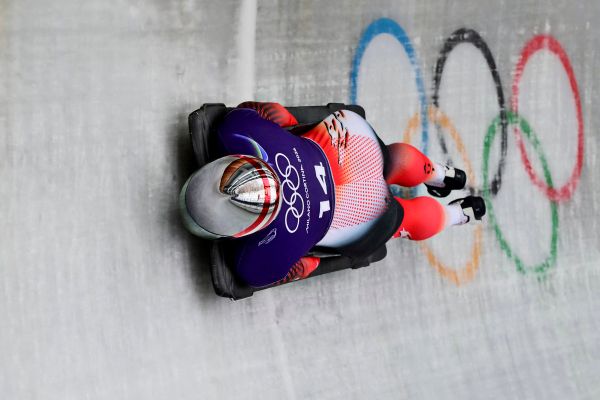
The Winter Olympics 2026 faces scrutiny after a Ukrainian skeleton athlete, Vladyslav Heraskevych, saw his appeal to compete at the prestigious event dismissed by the Court of Arbitration for Sport (CAS). The ruling, delivered on Friday, upholds the International Olympic Committee's (IOC) decision to disqualify Heraskevych just 45 minutes before his scheduled race, due to his "helmet of memory." This helmet, designed to honour the 24 athletes and children killed by Russia's invasion, has become a focal point in the ongoing debate surrounding athlete expression and political messaging in international sport.
A Helmet of Remembrance, a Ban of Contention
Heraskevych's helmet was a stark visual protest, bearing the names and faces of those lost in the conflict. It was intended as a poignant tribute and a means to raise global awareness of the devastating impact of the war on Ukraine, particularly on its young athletes. However, the IOC's Athlete Expression Guidelines prohibit such displays, citing the need to maintain focus on sporting performance and avoid politicisation of the Games. Heraskevych, alongside his legal team, argued that his helmet was a form of commemoration and a legitimate expression of grief, not a political statement aimed at disrupting the competition.
CAS Upholds IOC Guidelines, Citing 'Reasonable Balance'
The CAS, in its ruling, acknowledged the emotional weight of Heraskevych's protest and expressed sympathy for the Ukrainian people and athletes. However, the sole arbitrator stated they were bound by the existing IOC guidelines. The official statement from CAS indicated that these guidelines were considered to provide a "reasonable balance" between an athlete's right to express their views and the need for undivided attention to their sporting performance. This decision, while understandable from a rule-following perspective, has left many, including Heraskevych and his supporters, feeling that the spirit of the Olympics has been compromised.
'CAS Has Failed Us': Disappointment and Broader Implications
Vladyslav Heraskevych reacted to the CAS decision with profound disappointment, stating, "CAS has failed us." He expressed no regrets about his actions, asserting his belief in the righteousness of his cause. His lawyer, Yevhen Pronin, echoed this sentiment, highlighting the broader implications of the ruling. "The court sided with the IOC and upheld the decision that an athlete could be disqualified from the Olympic Games without actual misconduct, without a technical or safety threat, and before the start," Pronin stated. He emphasised that the case transcended an individual dispute, touching upon the fundamental freedoms of expression for athletes and the discretionary powers of sports governing bodies.
Logistical Hurdles Add to the Disappointment
Even if the CAS had ruled in Heraskevych's favour, overcoming the logistical challenges to participate would have been a significant hurdle. The distance between Milan, where the hearing took place, and Cortina, the venue for the skeleton events, coupled with the fact that the competition concluded on Friday, meant that a last-minute reinstatement was highly improbable. "Looks like this train has left," Heraskevych remarked, reflecting the insurmountable obstacles he faced.
The Debate Around Athlete Expression Continues
This incident reignites a long-standing debate within the Olympic movement about the boundaries of athlete expression. While the Olympics are often promoted as a platform for unity and peace, the reality of geopolitical conflicts inevitably spills onto the global stage. Critics of the IOC's strict stance argue that it stifles important conversations and prevents athletes from using their prominent platform to advocate for human rights and raise awareness of critical global issues. Conversely, proponents of the guidelines maintain that the Olympics should remain a sanctuary from political discourse, allowing athletes to compete on a level playing field without external distractions.
A Precedent Set for Future Games?
The CAS decision sets a precedent that could influence future rulings on athlete expression at major sporting events. It underscores the IOC's commitment to enforcing its guidelines, even in cases where the intent behind the expression is rooted in grief and remembrance. As the world looks towards future Winter Olympics, the question remains: where is the line between a sporting tribute and a prohibited political statement, and who gets to draw it? For Vladyslav Heraskevych, the dream of competing at the Winter Olympics has been extinguished, but his courageous act has undoubtedly ignited a vital discussion about the role of athletes in a turbulent world.
/https%3A%2F%2Fsportsmole-media-prod.s3.gra.io.cloud.ovh.net%2F19%2F06%2Frenlog.png)