Sainsbury's Facial Recognition Error Ejects Innocent Customer
In a chilling reminder of the pitfalls of emerging technology in everyday life, a London man was unceremoniously escorted out of his local Sainsbury's supermarket after being misidentified as a potential offender by staff using facial recognition software. The incident, which unfolded at the Elephant and Castle store, highlights growing concerns over the accuracy and ethical deployment of biometric surveillance in UK retail spaces.
The Incident Unfolds
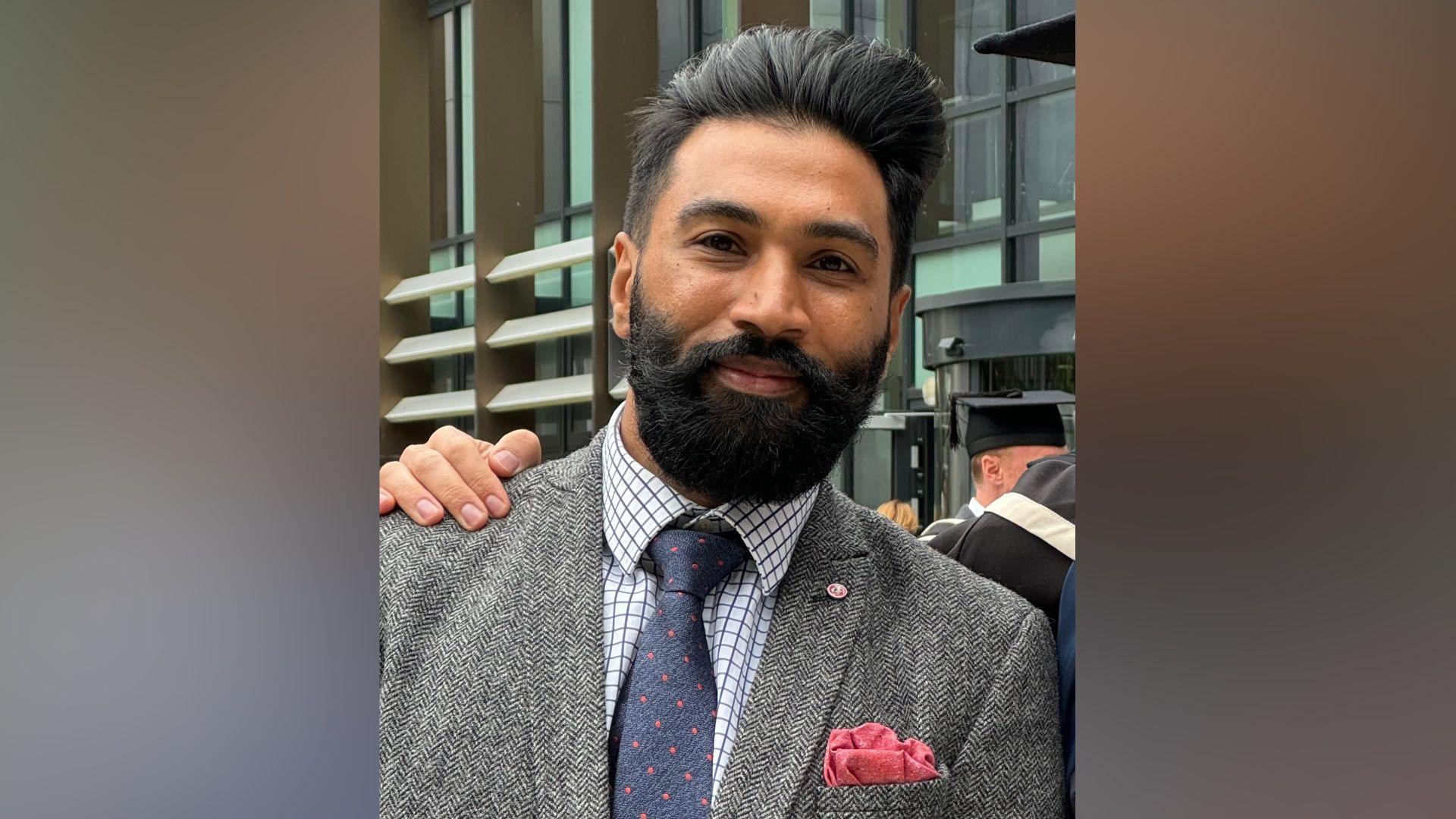
Warren Rajah, a data professional from south London, entered the Sainsbury's store for a routine shopping trip on a recent afternoon. What began as an ordinary errand quickly turned into a nightmare when three staff members, including a security guard, approached him abruptly. They questioned his shopping habits and, without providing a clear explanation, instructed him to leave the premises immediately, abandoning his basket of goods.
Rajah described the encounter as deeply unsettling. "It felt Orwellian," he told reporters, recounting how one employee glanced between him and a phone screen before nodding to her colleagues. The group then directed him to a poster about the store's use of facial recognition technology and suggested he contact Facewatch, the third-party provider behind the system. As he was led out, shoppers stared, amplifying the public humiliation.
This wasn't just any store—Sainsbury's has piloted Facewatch in six London locations as part of a broader initiative to combat rising shoplifting and violence against employees. The technology scans faces against a shared database of known offenders, alerting staff to potential matches in real-time.
A Pattern of Errors?
Rajah's ordeal isn't isolated. Just last November, Byron Long experienced a similar injustice at a B&M store in Cardiff. Staff there wrongly added him to the Facewatch watchlist, accusing him of shoplifting based on a mistaken identity. These cases underscore a troubling trend: while the tech promises to enhance security, human interpretation of its alerts can lead to devastating mistakes.
Sainsbury's Response and Apology
Following the incident, Rajah reached out to Facewatch, only to learn there were "no incidents or alerts associated with [him]" on their database. To verify this, he was required to submit a copy of his passport and a selfie—personal data shared with a private company, raising further privacy red flags.
Sainsbury's quickly apologized, attributing the mishap to "human error" rather than a flaw in the Facewatch system itself. A spokesperson stated: "We have been in contact with Mr. Rajah to sincerely apologise for his experience... This was the first instance of someone being wrongly approached by a store manager." As compensation, the supermarket offered Rajah a £75 shopping voucher.
The retailer emphasized that no one has been incorrectly flagged by the technology to date, and they plan to provide additional training for staff at the Elephant and Castle branch. However, Rajah remains skeptical, arguing that the system's reliance on undertrained employees creates a vulnerability. "Am I supposed to walk around fearful that I might be misidentified as a criminal?" he questioned.
Broader Implications for Privacy and Vulnerable Shoppers
Rajah's concerns extend beyond his personal experience. He worries about the psychological toll on vulnerable customers, such as the elderly or those from marginalized communities, who might face even greater distress from such public shaming. "Imagine how mentally debilitating this could be to someone vulnerable, after that kind of public humiliation," he said.
Privacy advocates echo these fears. Jasleen Chaggar, legal and policy officer at Big Brother Watch, noted that her organization frequently hears from individuals "left traumatised after being wrongly caught in this net of privatised biometric surveillance." She called for stricter oversight to prevent such abuses.
The Information Commissioner's Office (ICO), the UK's data protection authority, has weighed in as well. They advise retailers to "carefully consider the risks of misidentification and have robust procedures in place to ensure the accuracy and integrity of the personal information they collect and process." This guidance is particularly relevant as Sainsbury's expands its facial recognition trials, announced in September 2025, to tackle the national shoplifting epidemic.
Ethical and Legal Challenges in Retail Tech
The rollout of facial recognition in stores like Sainsbury's is part of a larger push by UK retailers to address soaring theft rates, which have surged post-pandemic. According to industry reports, shoplifting incidents rose by over 20% in 2023 alone, prompting supermarkets to invest in AI-driven solutions. Yet, critics argue that these tools infringe on civil liberties, disproportionately affecting minorities due to biases in training data.
Rajah criticized the lack of transparency during his ejection, feeling like he faced a "trial" in the aisle with staff as "judge, jury, and executioner." He questioned his rights: "What would happen if I asked the police to be called?" Such scenarios highlight the need for clear protocols, including on-site explanations and appeal processes, to protect innocent shoppers.
Facewatch, for its part, maintains compliance with data protection laws, requiring identity verification to disclose sensitive information. But Rajah challenged why he had to prove his innocence to a third party in the first place, calling it an unnecessary invasion of privacy.
Looking Ahead: Balancing Security and Rights
As facial recognition becomes more ubiquitous in British high streets, incidents like Rajah's serve as a cautionary tale. Sainsbury's commitment to staff retraining is a step forward, but experts say more is needed—perhaps independent audits of the technology and public consultations on its use.
For consumers, awareness is key. Shoppers should familiarize themselves with store policies on surveillance and know their rights under the UK GDPR. Rajah's story reminds us that in the rush to digitize security, the human element—both its errors and its empathy—remains crucial.
This event has sparked online debates, with many calling for a moratorium on such tech until safeguards improve. As one Twitter user put it: "Innovation shouldn't come at the cost of dignity." Whether Sainsbury's and peers like Tesco or Asda heed this, only time will tell.
In the end, Rajah hopes his experience prompts change. "I don't want this to happen to anyone else," he said. For now, the balance between catching criminals and protecting the innocent hangs in precarious equilibrium.