Thick Fog Triggers Widespread Delays in the Valley
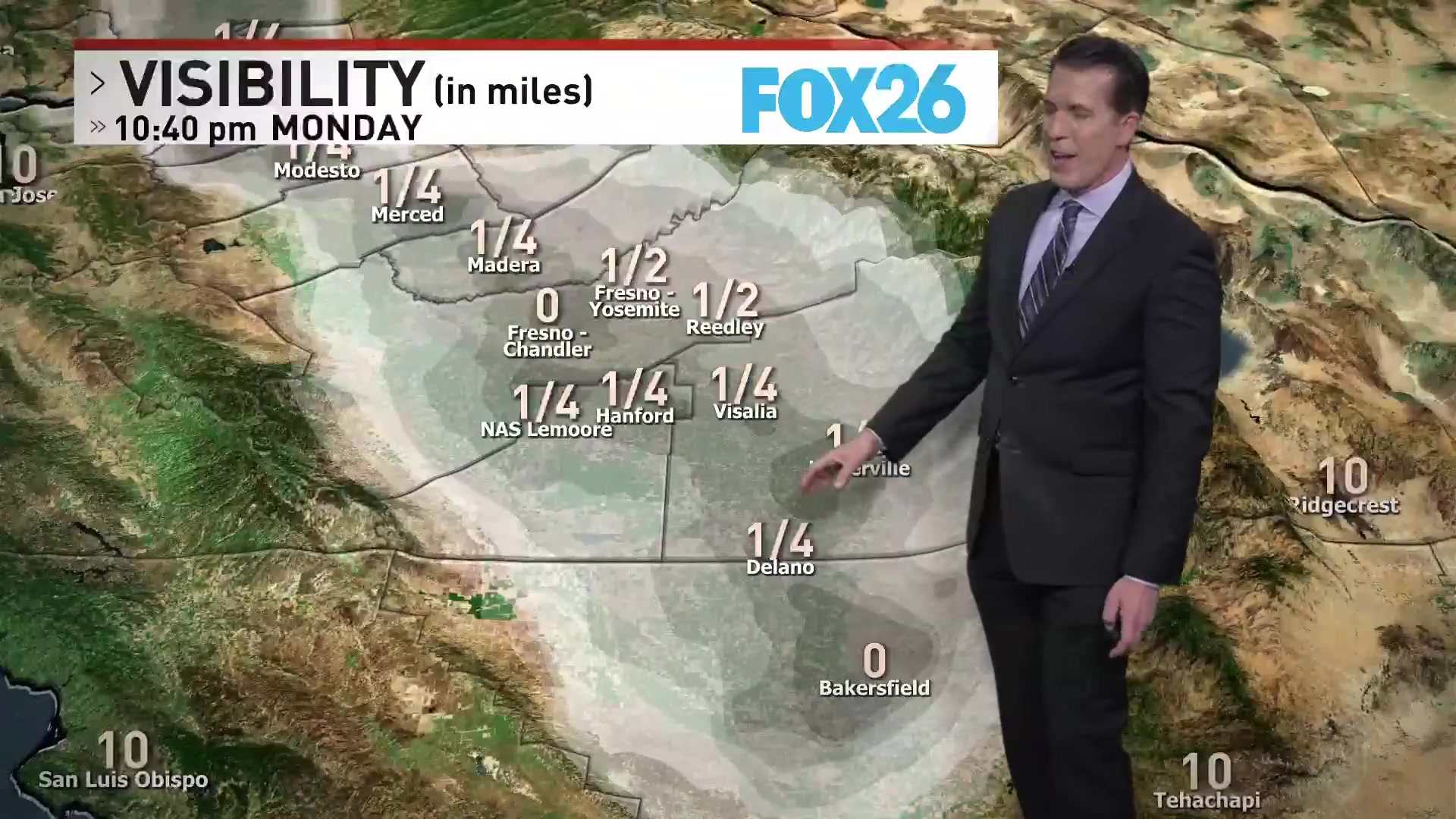
The Valley is experiencing its thickest fog in decades, causing significant disruptions to air and ground travel. Visibility has dropped to near zero in some areas, prompting airlines to cancel or delay flights and traffic authorities to issue warnings for drivers.
Impact on Air Travel
Airports in the region have been hit particularly hard. The Valley International Airport reported over 50 flight delays and several cancellations due to the dense fog. Pilots require at least one mile of visibility for safe takeoffs and landings, a standard that has not been met since early morning.
American Airlines, Southwest Airlines, and United Airlines are among the carriers affected. Passengers are advised to check their flight statuses regularly and prepare for potential rebooking or extended wait times.
Traffic Chaos on Highways
Highways and major roads have also seen a surge in accidents and slowdowns. The State Highway Patrol has recorded a 30% increase in fog-related incidents, including multi-vehicle collisions. Drivers are urged to use fog lights, reduce speed, and maintain a safe distance from other vehicles.
The California Department of Transportation (Caltrans) has deployed additional crews to assist in clearing fog and improving road visibility. Temporary speed limits have been reduced in several areas to mitigate risks.
Meteorological Analysis
Meteorologists attribute the fog to a combination of high humidity and a temperature inversion. The inversion layer traps warm air above cooler air near the ground, causing moisture to condense into fog. This phenomenon is particularly common in the Valley during late winter and early spring.
Forecast models predict the fog will persist through the evening, with gradual improvement expected by midnight. Residents are advised to avoid unnecessary travel until conditions improve.
Public Safety Measures
Local authorities have issued advisories urging residents to stay indoors if possible and avoid travel until visibility improves. Schools in the area are monitoring conditions and may consider delays or early dismissals if the fog worsens.
Emergency services are on high alert, with fire departments and medical teams prepared to respond to fog-related emergencies. The Red Cross has also set up temporary shelters for stranded travelers.
Traveler Tips
For those who must travel, experts recommend the following precautions:
- Check weather and traffic conditions before leaving.
- Allow extra time for delays.
- Keep emergency supplies in your vehicle, including blankets, water, and a flashlight.
- Use navigation apps that provide real-time updates on road closures and accidents.
Economic Impact
The fog’s impact extends beyond transportation. Businesses reliant on timely deliveries, such as grocery stores and manufacturing plants, are facing challenges due to delayed shipments. The hospitality industry is also affected, with hotels reporting an influx of stranded travelers.
Economists estimate that severe weather events like this one can cost the region millions in lost productivity and revenue annually. The Valley has experienced similar fog conditions in the past, but this week’s event is one of the most severe in recent memory.
Long-Term Outlook
Climate scientists note that extreme weather events, including dense fog, may become more frequent due to climate change. Rising temperatures and altered precipitation patterns can lead to more unpredictable conditions, affecting daily life and infrastructure.
Local governments are exploring long-term solutions, such as improved weather monitoring systems and infrastructure upgrades to enhance visibility on critical roads. Public awareness campaigns are also being planned to educate residents on how to prepare for and respond to severe weather.
As the fog slowly dissipates, the Valley community remains resilient, adapting to the challenges and working together to ensure safety and continuity. Stay tuned to local news sources for updates on the situation and further advisories.
