Dublin Airport Flights Disrupted by Critical Weather Radar Outage
Dublin, Ireland – February 14, 2026 – Travelers planning journeys through Dublin Airport have been alerted to potential disruptions following the prolonged outage of the airport's primary weather radar system. Met Éireann, Ireland's national meteorological service, confirmed that the radar, a crucial piece of infrastructure for aviation safety and efficiency, has been offline since Wednesday night.
Technical Glitch Hits Essential Aviation Tool
The unexpected shutdown of the Dublin Airport weather radar has cast a shadow over flight operations, raising immediate concerns among aviation authorities, airlines, and the traveling public. While Met Éireann assures that its forecasting capabilities remain robust, utilizing data from various other sources, the absence of real-time, localized radar data at such a vital hub is a significant operational challenge.
Met Éireann's Response and Mitigation Strategies
Met Éireann has stated that its dedicated radar team is working diligently to resolve the issue as swiftly as possible. In the interim, the service is relying on a multi-faceted approach to maintain adequate weather monitoring. This includes data from other weather radars operating across Ireland and the United Kingdom, detailed satellite imagery, and comprehensive ground-based weather reports from stations nationwide.
Furthermore, the sophisticated numerical weather prediction (NWP) systems, which are the backbone of modern weather forecasting, are reported to be functioning normally. These advanced models provide critical insights into atmospheric conditions, helping forecasters to predict weather patterns with a high degree of accuracy.
Impact on Recent Weather Events
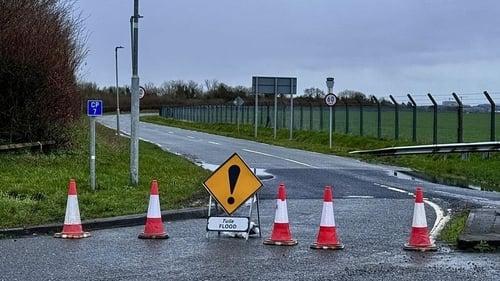
The timing of this radar outage is particularly noteworthy, as several areas in north Dublin experienced significant flooding following heavy rainfall on Thursday night and into Friday morning. Met Éireann acknowledged that the loss of the Dublin radar data during this period was mitigated by the aforementioned alternative data sources. The agency highlighted that the Dublin area is particularly well-served by ground weather stations, which provided crucial information during the recent deluge.
A 'Complex and Evolving' Weather Situation
Meteorologists described the weather situation on Thursday night and Friday morning as "complex and evolving." The decision to issue a Status Yellow warning at 2:37 AM was reportedly made after observing rainfall rates that exceeded initial projections. This raises questions about the effectiveness of early warning systems and the reliance on a single, primary radar for immediate, high-resolution data.
Sources within local government have voiced concerns that the warning may have come too late for adequate preparation, and that previous alerts were insufficient to anticipate the intensity of the rainfall. Dublin City Council reported that 46mm of rainfall was recorded at the Mellowes Road rain gauge, with an astonishing 9.6mm falling within a single hour. Such intense downpours underscore the critical need for precise, real-time weather monitoring capabilities at major airports.
The Importance of Airport Weather Radar
Weather radar systems are indispensable tools for airports. They provide real-time, high-resolution images of precipitation, wind, and storm development within a significant radius of the airport. This information is vital for:
- Flight Safety: Detecting hazardous weather phenomena such as thunderstorms, microbursts, and heavy icing conditions, allowing air traffic controllers to reroute aircraft or issue timely warnings.
- Operational Efficiency: Optimizing flight schedules by anticipating weather-induced delays and managing air traffic flow more effectively.
- Ground Operations: Informing decisions regarding de-icing, runway clearing, and the safety of ground crews.
- Emergency Response: Providing crucial situational awareness during severe weather events for airport emergency services.
The prolonged absence of such a critical system at Dublin Airport, a major international gateway, inevitably leads to increased operational complexity and a heightened reliance on predictive models and secondary data sources. While Met Éireann's contingency plans are in place, the incident highlights the vulnerability of aviation infrastructure to technical failures and the paramount importance of redundant systems.
Looking Ahead: Ensuring Resilience
As the situation unfolds, travelers are advised to stay updated with their respective airlines for the latest flight information. The ongoing efforts to restore the Dublin Airport weather radar are a priority, and its successful repair will be a welcome development for ensuring the continued safe and efficient operation of one of Europe's busiest airports. This incident serves as a stark reminder of the sophisticated technological dependencies within modern aviation and the critical need for robust, resilient infrastructure.

