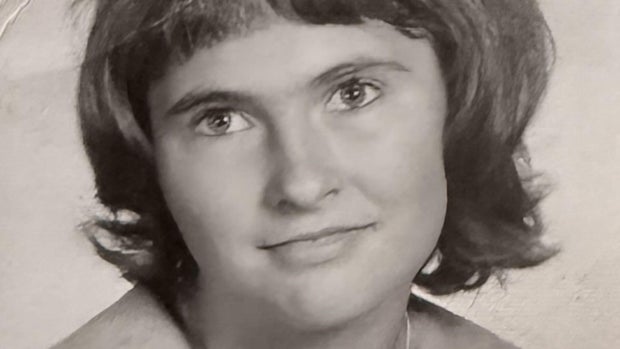
Mary Kay Heese Murder: Cold Case Solved After 56 Years
The quiet town of Wahoo, Nebraska, was shattered in 1969 by the brutal murder of 17-year-old Mary Kay Heese. Her life, filled with the typical hopes and dreams of adolescence, was tragically cut short just one week after she was seeking a date for a high school dance. For over five decades, her story remained a haunting unsolved mystery, a painful reminder of unanswered questions. Now, thanks to a dedicated investigation and the persistence of law enforcement, justice has finally been served.
A Promising Life Cut Short
On March 25, 1969, Mary Kay Heese never returned home from school. Her body was discovered later that day, beaten and stabbed to death on a roadside outside of Wahoo. The initial investigation, hampered by limited technology and resources of the era, struggled to piece together her final hours. A critical witness reported seeing Mary Kay get into a car with two men near her home, but the identities of these individuals remained elusive, leaving investigators at a dead end.
The Quest for Answers
Weeks turned into months, and the case grew cold. Mary Kay's murder became a decades-long enigma, a pain carried by her family and community. The story was recently brought back into the national spotlight through "48 Hours" correspondent Natalie Morales' report, "The Girl from Wahoo." This renewed focus on the case reignited hope for closure.
A New Investigation, A Determined Investigator
In 2015, the Saunders County Attorney's Office, with the assignment of criminal investigator Ted Green, launched a comprehensive new investigation. Green approached the case like a complex puzzle, determined to uncover the truth behind Mary Kay's death. His work involved delving into Mary Kay's life, seeking to understand the young woman behind the tragic headline.
Remembering Mary Kay
Mary Kay's younger cousins, Mark Miller and Kathy Tull, shared poignant memories of her. They described her as a happy individual who cared deeply for them, though they also acknowledged the adolescent struggles she faced. Green learned that Mary Kay came from a strict household, a stark contrast to the social dynamics at her high school. "There was a group of girls that would get her together and put makeup on her at the beginning of the day and change her clothes out," Green recounted. Her desire to "fit in" was a significant aspect of her young life.
The Sadie Hawkins Dance Dream
A central piece of Mary Kay's final week was her wish to attend the local Sadie Hawkins dance. In that era, it was a tradition where girls asked boys to the dance. Tull shared a letter from Mary Kay, written just a week before her murder, asking her cousin Jerry to be her date. The letter, filled with youthful excitement and practical details about the non-formal event, highlighted Mary Kay's simple desire for a normal teenage experience. "If we come over to get you on Friday the 28th or Saturday the 29th, will you go to the Sadie Hawkins dance with me?" Mary Kay wrote, detailing the casual attire and the girls' responsibility for paying for the event.
Piecing Together the Puzzle
Investigator Green concluded that Mary Kay wouldn't have entered a vehicle with strangers. This insight, combined with information from the original case files, led him to focus on two individuals who had been interviewed shortly after the murder: Joseph Ambroz and Wayne Greaser. Ambroz, 22 at the time, worked at a slaughterhouse and was on parole for forgery and escaping custody. Greaser was described as a younger associate of Ambroz.
The Suspects Emerge
Deputy Saunders County Attorney Richard Register, who also worked on the case, noted that Ambroz and Mary Kay knew each other, frequenting the same café and sharing mutual acquaintances. Green and Register believe Mary Kay may have seen Ambroz as an opportunity to socialize and fit in with a particular crowd, not perceiving him as a threat. The prevailing theory is that Ambroz and Greaser took Mary Kay to a popular local gathering spot. At some point, Mary Kay attempted to leave the vehicle, leading to a tragic confrontation. Green speculates that Ambroz pursued her and ultimately stabbed her to death. "She just wanted to get a boy to go to the dance with her. And unfortunately, the dance she went to was her death," Register poignantly stated.
Justice After Decades
More than 56 years after Mary Kay Heese's life was senselessly taken, 77-year-old Joseph Ambroz was arrested and charged with her murder. In July 2025, Ambroz entered into a plea agreement, pleading no contest to conspiracy to commit first-degree murder. This resolution, while not a full trial verdict, signifies the end of a long and arduous journey for justice. The case of Mary Kay Heese serves as a testament to the enduring power of investigation and the unwavering pursuit of truth, even when faced with the passage of time.