Trump Posts Racist Video Depicting Obamas as Monkeys in Election Conspiracy
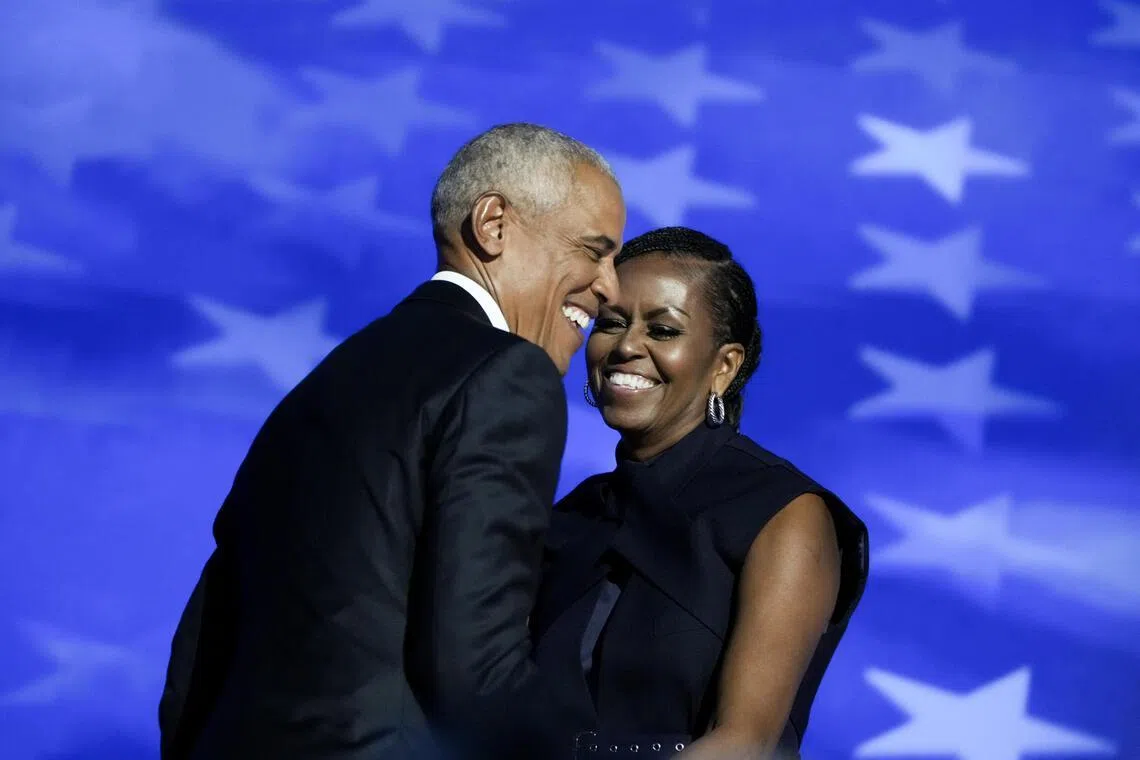
In a move that has ignited widespread condemnation, U.S. President Donald Trump shared a controversial video on his Truth Social platform on February 5, 2026. The one-minute clip peddles debunked conspiracy theories about the 2020 election while featuring a brief, deeply offensive depiction of former President Barack Obama and First Lady Michelle Obama with their faces superimposed on monkeys. This incident underscores the escalating tensions in American politics, particularly around race and misinformation, as Trump ramps up his use of provocative digital content in his second term.
The Video's Content and Immediate Backlash
The video, which had garnered over 1,000 likes by early February 6, repeats baseless claims that Dominion Voting Systems rigged the 2020 election in favor of Joe Biden, depriving Trump of a second term at the time. Accompanied by the whimsical tune 'The Lion Sleeps Tonight,' the clip takes a sinister turn near its end. For approximately one second, the Obamas appear with monkey faces—a visual that harkens back to vile racist tropes historically used to dehumanize Black individuals.
Reactions poured in swiftly from across the political spectrum. California Governor Gavin Newsom, a vocal Trump critic and potential 2028 Democratic contender, blasted the post via his office's X account: 'Disgusting behaviour by the President. Every single Republican must denounce this. Now.' Similarly, Ben Rhodes, former national security advisor to Obama, expressed outrage on the platform, stating, 'Let it haunt Trump and his racist followers that future Americans will embrace the Obamas as beloved figures while studying him as a stain on our history.'
These responses highlight the video's potential to deepen racial divides at a time when the nation grapples with its legacy of discrimination. Obama, the first Black president in U.S. history, actively supported Kamala Harris during the 2024 campaign, making him a perennial target for Trump's ire.
Trump's Pattern of Using AI and Deepfakes in Politics
This isn't an isolated incident. Since reclaiming the White House in 2025, Trump has increasingly leaned on hyper-realistic AI-generated visuals to mock opponents and bolster his image among conservative supporters. In 2025 alone, he posted a fabricated video of Obama being arrested in the Oval Office, clad in an orange jumpsuit—a clear nod to Trump's own legal battles. Another clip targeted House Minority Leader Hakeem Jeffries, depicting the Black congressman in a sombrero and fake mustache, which Jeffries decried as overtly racist.
Experts view this as a strategic evolution in political messaging. 'Trump is embracing AI deepfakes to glorify himself and trash rivals,' notes political analyst Sarah Kline in a recent report. These posts not only rally his base but also dominate social media algorithms, ensuring maximum visibility. However, they raise serious questions about the ethics of AI in elections and the spread of disinformation. The Federal Election Commission has yet to issue guidelines on such content, leaving a regulatory vacuum that critics argue enables hate speech.
Broader Implications for Race and DEI Initiatives
Trump's actions extend beyond social media. One of his inaugural moves in his second term was to dismantle all federal Diversity, Equity, and Inclusion (DEI) programs, including those in the military. He has derided these as 'woke' distractions, leading to the removal of books on U.S. racial history from military academy libraries. This purge echoes the civil rights struggles of the 1960s, when Black-led movements fought against institutional racism rooted in centuries of slavery—abolished in 1865 but perpetuated through Jim Crow laws and beyond.
By evoking monkey imagery, Trump's video taps into a painful history of caricature and dehumanization. Historians like Dr. Elena Vargas argue that such visuals 'reinforce systemic biases, making it harder for progress on racial equity.' Democrats have linked this to Trump's broader crusade against anti-discrimination efforts, warning it could erode hard-won gains.
Political Ramifications and Calls for Accountability
As the video circulates, pressure mounts on Republicans to distance themselves from Trump's rhetoric. While some GOP leaders have remained silent, others, like moderate Senator Lisa Murkowski, issued a mild rebuke, calling the imagery 'inappropriate for the presidency.' This divide could fracture party unity ahead of the 2028 midterms.
On the Democratic side, the incident energizes calls for stricter social media regulations and renewed focus on voting rights. With Obama still a towering figure—polls show his approval rating above 60%—this controversy may galvanize younger voters and communities of color against perceived Republican extremism.
Trump, undeterred, continues to frame his posts as free speech and satire. In a Truth Social follow-up, he dismissed critics as 'snowflakes' obsessed with political correctness. Yet, as AI tools become more accessible, the line between humor and harm blurs, challenging democracy's foundations.
Looking Ahead: The Future of Digital Political Warfare
The Obama monkey video is more than a fleeting scandal; it's a symptom of how technology amplifies division. As Trump positions himself as an 'AI president,' as dubbed by media outlets, the U.S. must confront the perils of unchecked digital expression. Will platforms like Truth Social face scrutiny? Or will this normalize racism in the public sphere?
For now, the outrage serves as a stark reminder of America's unfinished reckoning with race. In an era where deepfakes can sway opinions overnight, safeguarding truth and dignity remains paramount. As Rhodes poignantly noted, history will judge not just the actors, but the enablers.
This story is developing, with more reactions expected from civil rights groups and tech watchdogs. Everythiiing.com will continue to monitor updates on this polarizing chapter in U.S. politics.
