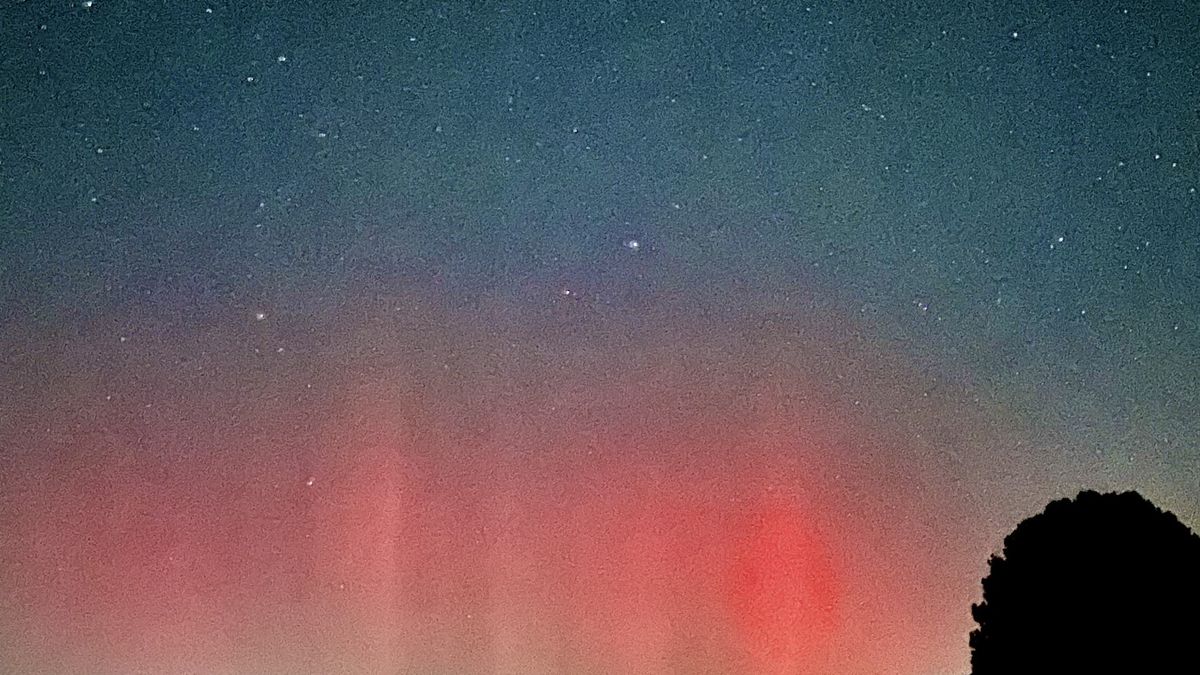
Northern Lights Forecast for Tonight: A Rare Treat Across the US
Tonight could be a night to remember for stargazers and aurora enthusiasts across the United States. A G4 geomagnetic storm, one of the strongest types, is expected to grace the skies with the mesmerizing northern lights, potentially making them visible as far south as North Carolina. This rare event is the result of a powerful solar flare and coronal mass ejection (CME) that occurred earlier this week, sending charged particles hurtling toward Earth.
Understanding the Geomagnetic Storm
A geomagnetic storm occurs when a coronal mass ejection from the sun interacts with Earth's magnetic field. The strength of the storm is classified on a scale from G1 (minor) to G5 (extreme). A G4 storm, like the one forecasted for tonight, can cause widespread aurora visibility at lower latitudes, something that doesn't happen often.
What Causes the Northern Lights?
The northern lights, or aurora borealis, are caused by charged particles from the sun colliding with gases in Earth's atmosphere. These collisions emit light, creating the stunning green, red, and purple hues that dance across the night sky. Typically, the aurora is visible only in polar regions, but during strong geomagnetic storms, it can extend much further south.
The Current Forecast
As of today, NOAA's Space Weather Prediction Center predicts that the incoming CME could reach G4 status. This means that the northern lights could be visible in states like North Carolina, which is unusual for such southern latitudes. Tony Rice, a NASA ambassador and WRAL contributor, noted that a clear magnetometer image showing a halo from the CME gives some confidence that the aurora will be visible.
Where and When to Look
If you're hoping to catch a glimpse of the northern lights tonight, there are a few things to keep in mind. First, the aurora is most likely to be seen between 10 PM and midnight, with some projections suggesting 11 PM as the peak time. Second, you'll need a clear view of the northern horizon, away from city lights and other sources of light pollution.
Tips for Viewing the Aurora
Here are some tips to maximize your chances of seeing the northern lights:
- Check the Weather: Make sure the skies are clear in your area. Cloud cover can obstruct the view.
- Find a Dark Spot: Get as far away from city lights as possible. Rural areas or parks with minimal lighting are ideal.
- Use Night Mode: If you're using a smartphone to help locate the aurora, make sure to turn on Night Mode to reduce glare.
- Be Patient: The aurora can be unpredictable. It may take some time to appear, so be prepared to wait.
- Stay Warm: Depending on your location, it could be cold outside. Dress appropriately for the weather.
What to Expect
While a G4 storm usually leads to the aurora being seen in states like North Carolina, it's important to manage expectations. The northern lights may not be as dramatic as those seen in places like Canada, Alaska, Iceland, or Scandinavia. Instead, you might see a faint glow or subtle waves of light near the northern horizon.
The Science Behind the Show
The increased visibility of the northern lights in recent years is not just due to geomagnetic storms but also advancements in technology and a better understanding of solar activity. The sun goes through an 11-year cycle of activity, known as the solar cycle, and we are currently approaching the peak, known as the solar maximum. During this time, solar flares and CMEs are more frequent, leading to more opportunities to see the aurora.
Aurora Borealis in the US
The northern lights have been putting on impressive shows in parts of the US and Canada in recent weeks. For example, on Tuesday night, numerous photos were captured by viewers who were treated to a spectacular display. These events are not only beautiful but also a reminder of the dynamic relationship between the sun and Earth.
How to Share Your Experience
If you manage to capture the northern lights tonight, consider sharing your photos with others. Many news outlets and social media platforms welcome submissions from viewers. Not only does this help others appreciate the beauty of the aurora, but it also contributes to the scientific understanding of these events.
Report Your Sightings
If you live in an area where the northern lights are expected to be visible, keep an eye on the skies and report any sightings. Your observations can help scientists and forecasters refine their models and predictions for future geomagnetic storms.
Conclusion
Tonight's northern lights forecast is a rare opportunity for many across the US to witness the beauty of the aurora borealis. With a G4 geomagnetic storm on the way, the northern lights could be visible as far south as North Carolina. If you're in a suitable location, make sure to take the time to look up and appreciate this natural wonder. Who knows? You might just capture a once-in-a-lifetime view of the northern lights.