Oatly Loses UK 'Milk' Trademark Battle to Dairy Lobby
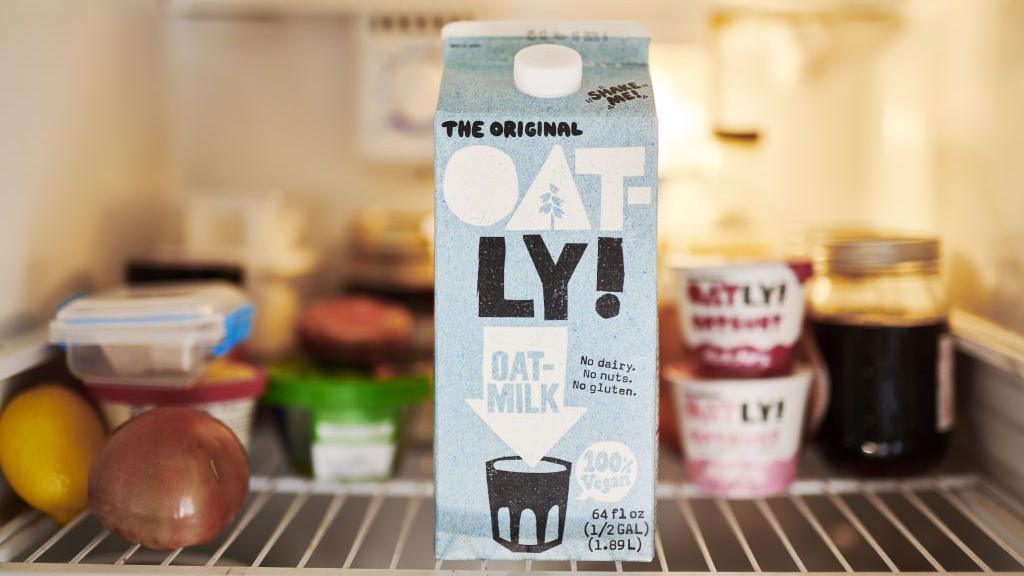
In a significant blow to the plant-based beverage industry, Swedish oat milk pioneer Oatly has been barred from using the term 'milk' in its branding following a landmark UK Supreme Court ruling. The decision, handed down on February 11, 2026, stems from a protracted legal dispute with Dairy UK, the voice of British dairy farmers, over Oatly's provocative slogan 'post-milk generation.' This case highlights the ongoing tensions between the booming vegan and dairy-free sectors and traditional animal agriculture in the UK.
Background: The Rise of Oat Milk and Oatly's Bold Marketing
Oatly, founded in the 1990s in Sweden, has revolutionized the alternative milk market with its creamy, sustainable oat-based drinks. In the UK, oat milk has surged in popularity, capturing a substantial share of the non-dairy segment. According to market research, plant-based milks now account for over 10% of the UK's liquid milk sales, driven by health-conscious consumers, lactose-intolerant individuals, and environmental advocates. Oatly's oat milk, in particular, stands out for its barista-friendly texture and eco-friendly credentials—oats require far less water and land than dairy cows, emitting up to 80% fewer greenhouse gases.
The company's marketing has always been cheeky and disruptive. The 'post-milk generation' slogan, launched in 2021, positioned Oatly as the future of beverages, implying a shift away from animal-derived milk. Oatly sought to trademark this phrase in the UK to protect its brand identity. However, Dairy UK swiftly objected, arguing that 'milk' under trademark law is reserved exclusively for products from animals, as per longstanding EU-derived regulations retained post-Brexit.
The Legal Journey: From IPO to Supreme Court
The battle began in November 2021 when the UK Intellectual Property Office (IPO) rejected Oatly's trademark application, citing potential consumer confusion. Oatly appealed to the High Court, which initially sided with the company in 2023, ruling that the slogan wouldn't mislead buyers about the product's dairy-free nature. Undeterred, Dairy UK took the case to the Court of Appeal, which in December 2024 reversed the decision, affirming that 'milk' must denote animal products only.
The Supreme Court's final ruling on Wednesday upheld this, stating the phrase could confuse consumers into thinking Oatly's drinks contain trace amounts of milk rather than being entirely plant-based. This aligns with broader UK food labeling laws aimed at protecting dairy terminology. As Richard May, a partner at law firm Osborne Clarke, noted, 'Post-Brexit, the UK maintains a strict stance on protected dairy terms, mirroring the EU's approach to prevent dilution of traditional designations like 'milk' and 'cheese.'''
Reactions: Outrage from Plant-Based Advocates, Jubilation in Dairy Circles
Oatly's UK and Ireland general manager, Bryan Carroll, lambasted the verdict as 'a tactic to stifle competition and disadvantage plant-based innovators.' He argued it creates an uneven playing field, favoring 'Big Dairy' at the expense of consumer choice and sustainability goals. Environmental groups echoed this, warning that such rulings hinder the transition to low-carbon diets essential for meeting the UK's net-zero targets by 2050.
On the flip side, Dairy UK CEO Judith Bryans celebrated the outcome as a victory for clarity. 'This ensures that established dairy terms retain their precise meaning, preventing misleading marketing that could erode trust in authentic British milk products,' she said. The dairy industry, facing declining consumption—down 20% in the last decade—views these protections as vital to safeguarding jobs and heritage farming practices. With over 18,000 dairy farms in the UK, the sector employs tens of thousands and contributes billions to the economy.
Broader Implications for the Oat Milk Market
While Oatly can no longer trademark or use 'post-milk generation' in food marketing, the ruling doesn't outright ban selling oat-based drinks. Products must now be labeled as 'oat drinks' or similar, a shift already common in the EU where a proposed ban on dairy mimic terms like 'oat milk' and 'veggie burger' awaits full implementation. In the UK, companies may pivot to factual descriptors like 'dairy-free oat drink,' limiting creative branding.
This decision could ripple across the £2 billion plant-based drinks market. Competitors like Alpro and minor brands might face similar scrutiny, potentially slowing innovation. For consumers, it raises questions about choice: will clearer labeling empower informed decisions, or does it unnecessarily complicate access to sustainable options? SEO-optimized searches for 'oat milk UK' have spiked 150% in recent years, reflecting demand, but this ruling might temper marketing hype.
Environmental and Health Angles: Why Oat Milk Matters
Beyond legalities, the debate underscores oat milk's role in sustainability. Dairy farming contributes 3% of global emissions, while oat cultivation is regenerative and versatile—oats grow well in the UK's climate, reducing import needs. Health-wise, oat milk offers beta-glucans for heart health and is often fortified with vitamins, appealing to vegans and flexitarians. Yet, critics point to added sugars in some formulations and processing concerns.
In the UK, where veganism has grown 350% since 2014, oat milk symbolizes a cultural shift. Oatly's loss might galvanize the movement, with calls for legislative reform to balance industry protections with environmental imperatives. As the EU deliberates its ban, watch for UK alignment or divergence—post-Brexit flexibility could allow tailored rules favoring plant-based growth.
What's Next for Oatly and the Industry?
Oatly isn't backing down. The company plans to continue aggressive marketing within legal bounds, perhaps emphasizing 'oat drink revolution' instead. A stock market float in 2021 raised funds for expansion, and UK sales remain robust. Analysts predict the plant-based sector will hit £1.5 billion by 2030, undeterred by terminology tussles.
For British consumers, the ruling means navigating labels more carefully, but the oat milk aisle won't empty. This case exemplifies the clash between tradition and progress: dairy's fight to preserve legacy versus plant-based pushes for a greener future. As Oatly adapts, one thing's clear— the 'milk' wars are far from over.
(Word count: 748)